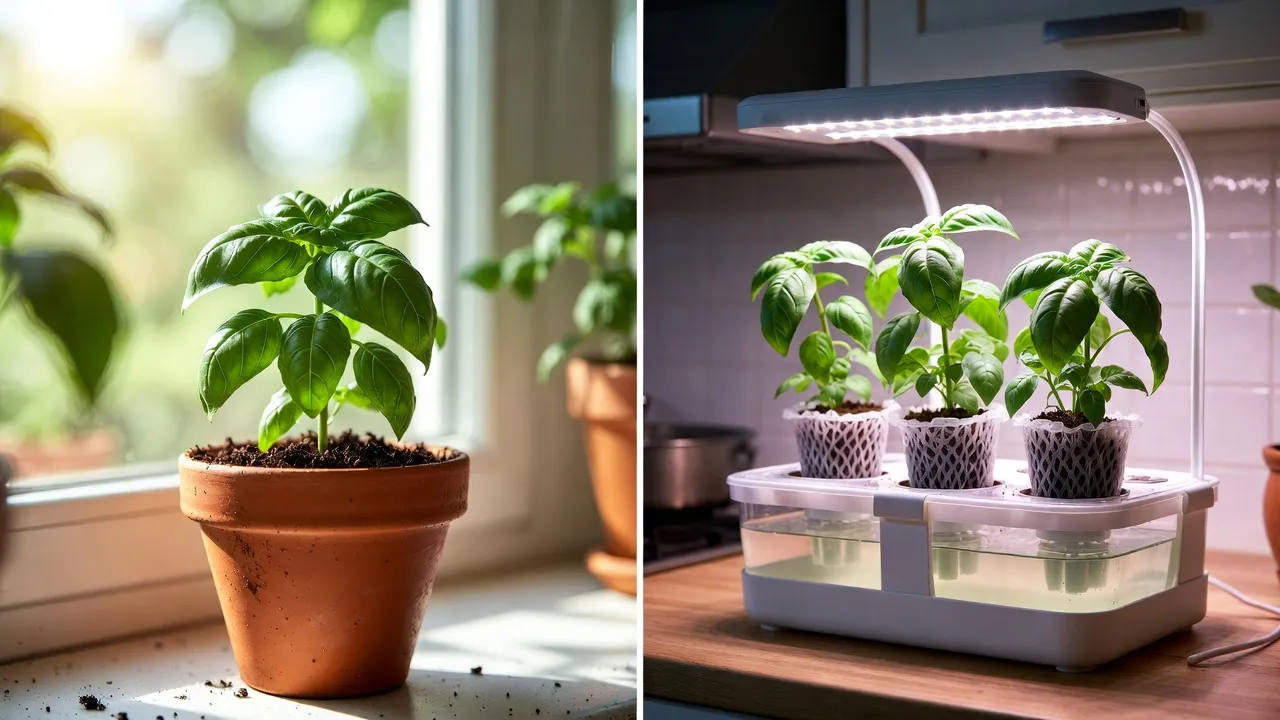
Soil vs Hydroponics for Indoor Herbs: Which Is Better?
You plant a small basil seedling on your kitchen windowsill. For a few days it looks perfect. Then the growth slow down, the soil stays wet longer than expected, and suddenly you start wondering:
Is there a better way to grow herbs indoors?
Many home gardeners eventually face the same question.
Should herbs grow in traditional soil pots, or would a hydroponic system work better indoors?
Both methods can produce healthy herbs like basil, mint, parsley, cilantro, thyme, and chives. But the growing method affects how fast herbs grow, how much maintenance they need, and how easy the system is to manage in small homes or apartments.
Understanding the differences helps you choose the right approach for your kitchen herb garden, especially when space, sunlight, and time are limited.
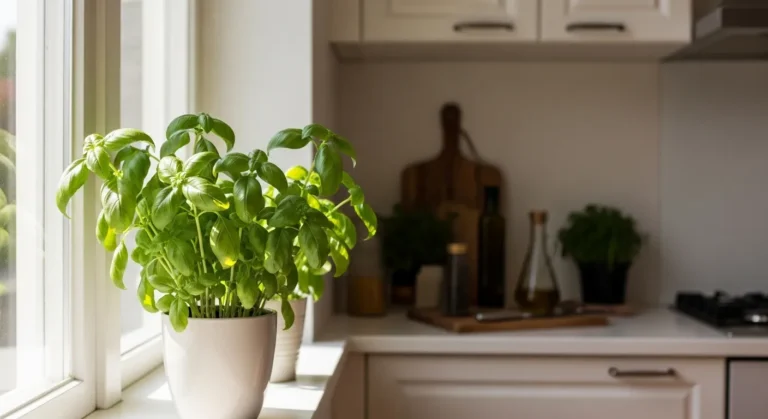
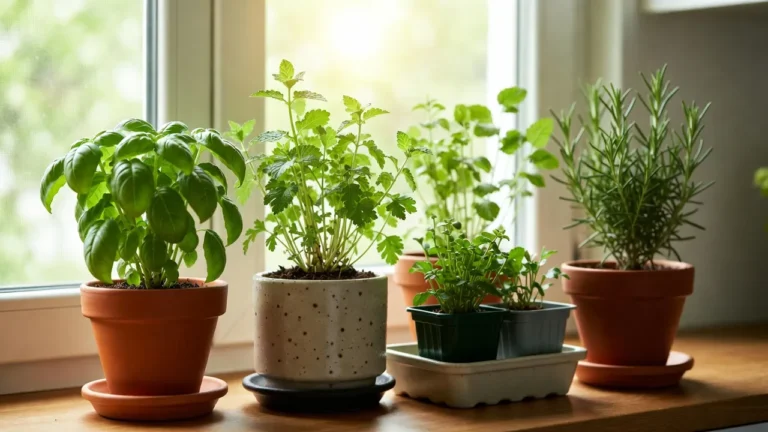
Regardless of whether you grow herbs in soil or hydroponics, location still plays a major role in plant health. Understanding where to place indoor herbs can improve growth in both growing methods.
What Growing Herbs in Soil Means
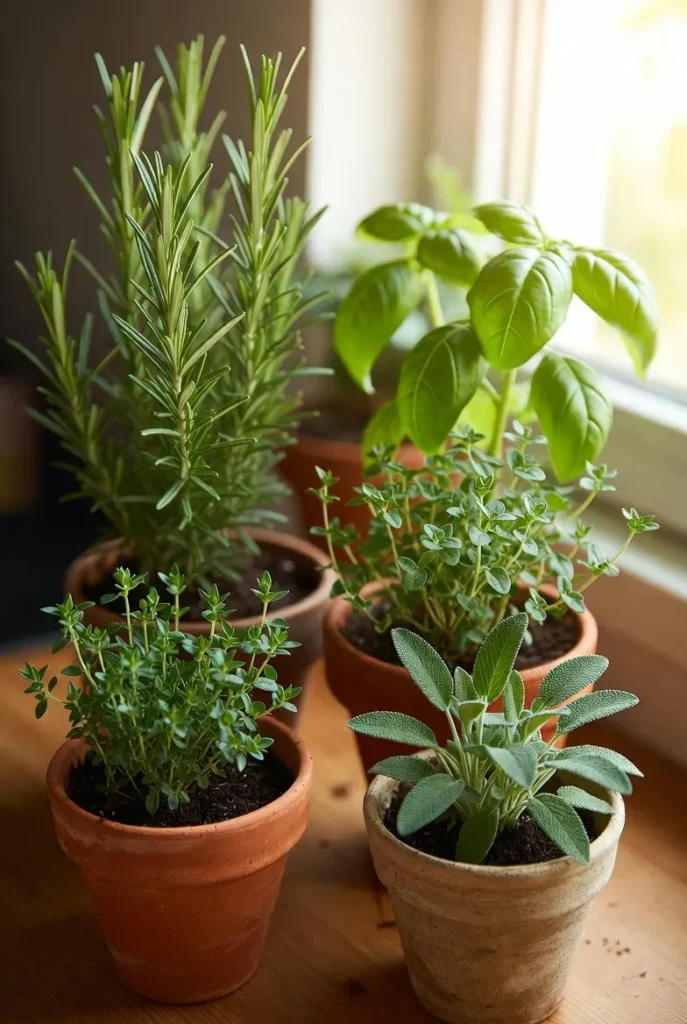
Growing herbs in soil is the traditional method most people start with.
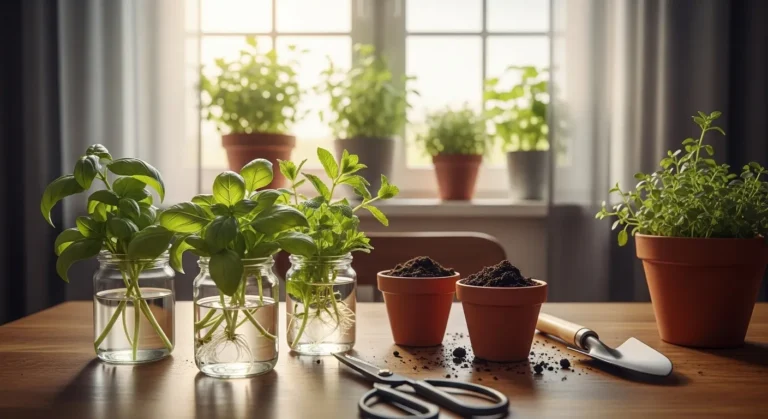
Plants grow in containers filled with potting mix, and their roots absorb nutrients and water directly from the soil.
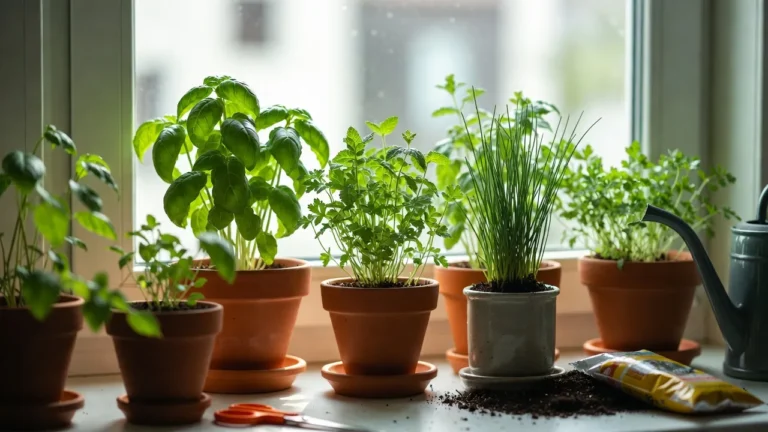
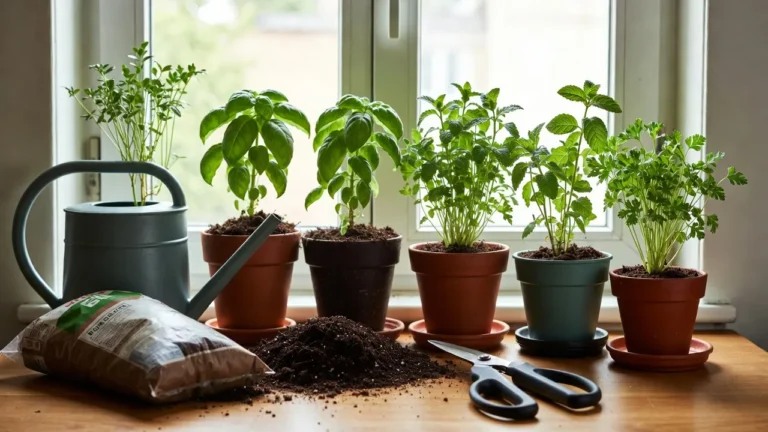
In indoor herb gardening, soil systems typically include:
- Pots or containers
- A well-draining potting mix
- Natural window light or LED grow lights
- Occasional fertilizer
The root system spreads through the potting mix, pulling nutrients from organic material such as compost while absorbing oxygen through air pockets in the soil.
Because this method relies on natural processes, it tends to be forgiving for beginners.
If you decide to grow herbs in soil containers, understanding the right potting mix is essential. This guide on choosing the right soil for indoor herbs explains what ingredients keep roots healthy indoors.
What Hydroponic Herb Growing Is
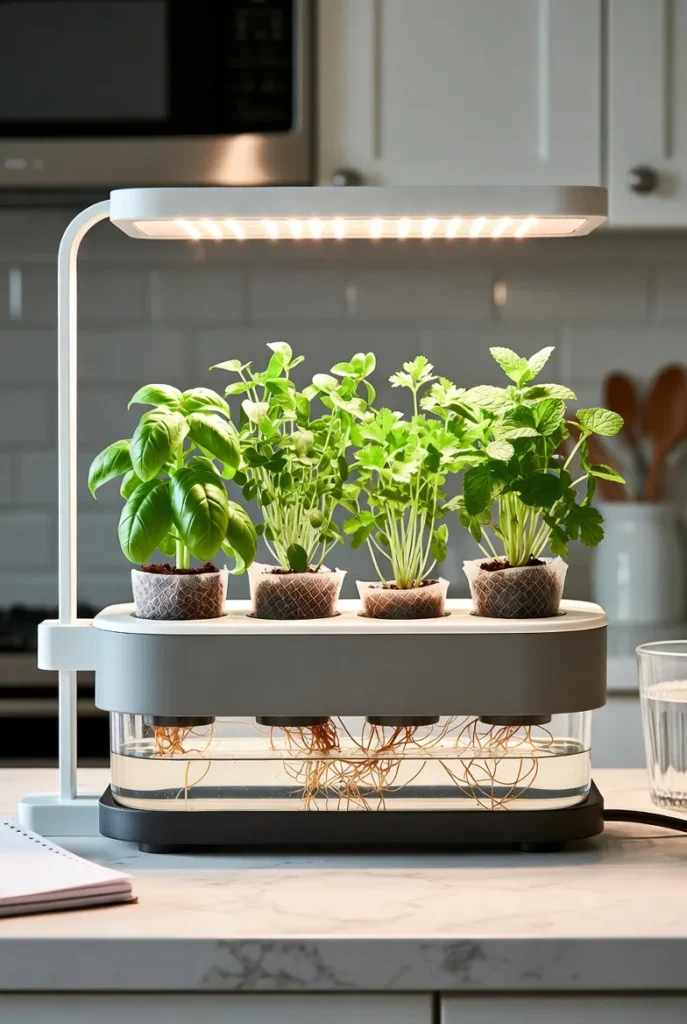
Hydroponics is a method of growing plants without soil.
Instead of potting mix, plant roots sit in nutrient-rich water that contains dissolved minerals needed for plant growth.
A hydroponic herb setup usually includes:
- A water reservoir
- A nutrient solution
- A hydroponic growing system
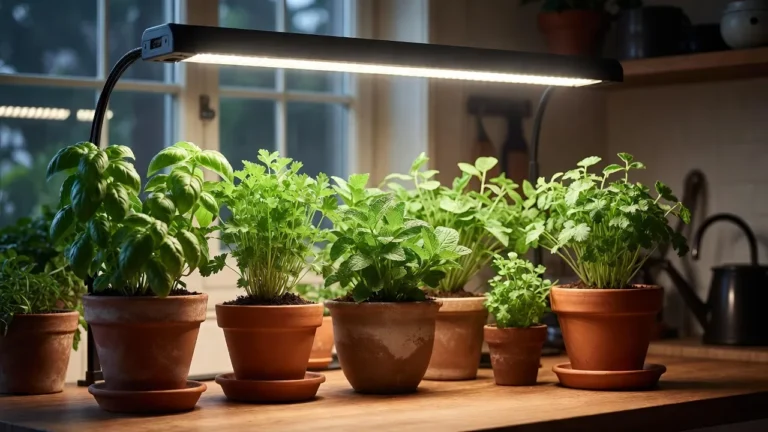
- LED grow lights
- Air pumps or water circulation
The roots receive nutrients directly from the water, which allows faster nutrient absorption and strong root oxygenation.
This method is commonly used in controlled environment agriculture and modern vertical farming, but smaller systems are also used in homes.
Soil vs Hydroponics: Quick Comparison
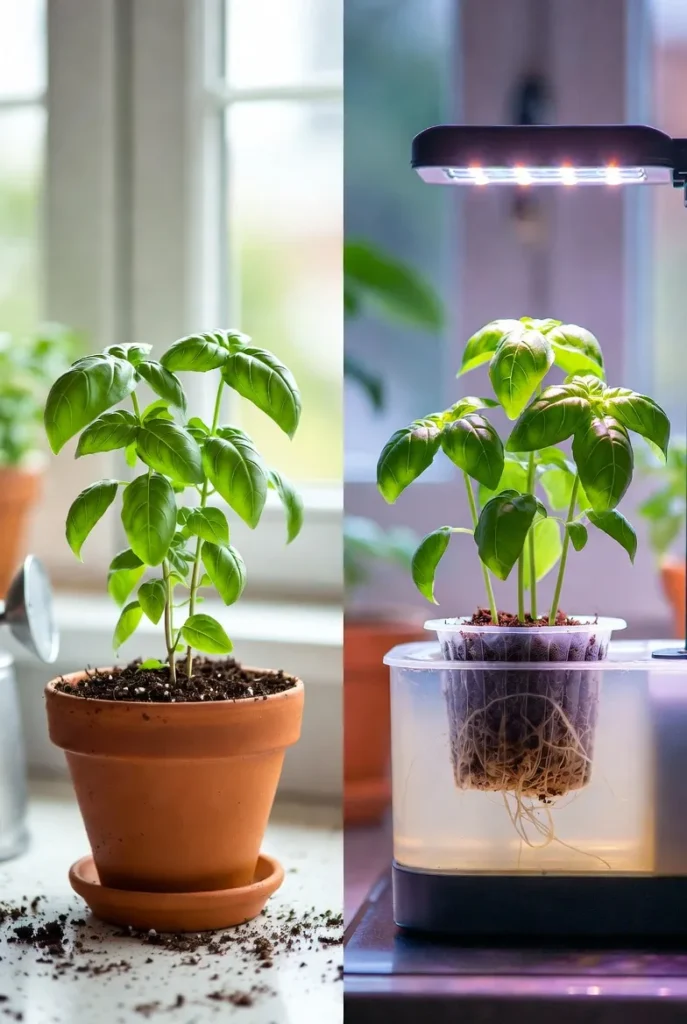
Now both growing methods are clear, comparing them side by side makes the differences easier to understand.
Feature | Soil Growing | Hydroponics |
|---|---|---|
Setup difficulty | Easy | Moderate |
Startup cost | Low | Medium to high |
Growth speed | Moderate | Faster |
Water efficiency | Moderate | Very high |
Equipment needed | Minimal | Pumps, lights, reservoir |
Maintenance | Low | Medium |
Risk of pests | Higher | Lower |
Both systems can grow healthy herbs. The difference mostly comes down to speed, cost, and complexity.
Hydroponic herbs often grow quickly and require frequent harvesting. To avoid wasting extra leaves, learn 10 easy ways to store fresh herbs and keep them fresh longer.
Do Herbs Grow Faster in Hydroponics?
Yes, herbs often grow faster in hydroponic systems.
Because the roots receive nutrients directly from the water, plants don’t have to wait for nutrients to break down in soil.
This leads to:
- faster leaf production
- larger plants
- quicker harvest cycles
For example, herbs like basil or mint may mature a week or two earlier in hydroponic systems compared with soil containers.
However, faster growth also requires consistent monitoring of water nutrients and pH levels.
According to the University of Arizona Controlled Environment Agriculture Center, hydroponic plants often grow 20–30% faster than soil-grown plants because nutrients are immediately available to the roots.
Taste and Aroma Differences
A common concern among home gardeners is flavor.
Do hydroponic herbs taste different from soil-grown herbs?
In most cases, the taste difference is small.
Both growing methods can produce aromatic herbs if plants receive enough light and nutrients.
However, some gardeners feel that herbs grown in soil develop slightly stronger flavor because the soil environment contains microbial activity that influences plant chemistry.
Hydroponic herbs tend to produce:
- cleaner leaves
- more uniform growth
- consistent nutrient level
Cost Comparison: Soil vs Hydroponics
The cost difference between the two methods can influence many beginners.
Soil Setup Cost
A simple soil setup may require:
Item | Typical Cost Range (USD Equivalent) |
|---|---|
3–5 pots | $20–$60 |
Soil | $10–$25 |
Starter herbs | $15–$40 |
Grow light (optional) | $30–$120 |
A basic indoor herb garden can start under $100, depending on the setup size.
Hydroponic System Cost
Hydroponic systems require more equipment.
Item | Typical Cost Range (USD Equivalent) |
|---|---|
Hydroponic system kit | $50–$200 |
LED grow lights | $30–$120 |
Nutrient solution | $10–$20 |
pH meter or test kit | $10–$30 |
Startup costs usually range from $100–$300 depending on system size.
The higher cost comes from the technology used to control water flow and lighting.
Maintenance Differences
Beyond setup and cost, day-to-day maintenance is another important factor when choosing a growing method.
Soil Maintenance
Soil systems require simple care:
- watering when soil dries
- occasional fertilizing
- checking drainage.
Nutrients in potting mix gradually get used up as herbs grow. This guide on best fertilizers for indoor herbs explains how to feed container herbs without overfertilizing.
Hydroponic Maintenance
Hydroponic systems require more monitoring.
Gardeners must check:
- nutrient concentration
- water level
- pH balance (usually around 5.5–6.5)
- pump and airflow
If the nutrient solution becomes imbalanced, plants can decline quickly.
For this reason, hydroponics often appeals more to gardeners who enjoy technical gardening systems.
Best Herbs for Soil Growing
Some herbs adapt very well to soil containers.
These herbs prefer stable root environments and slower nutrient release.
Examples include:
- Basil
- Parsley
- Thyme
- Rosemary
- Oregano
- Sage
These herbs work well in a windowsill herb garden or small kitchen containers.
Best Herbs for Hydroponic Systems
Hydroponics works especially well for fast-growing herbs.
Common hydroponic herbs include:
- Basil
- Mint
- Cilantro
- Chives
- Dill
- Lettuce
Because these plants grow quickly and produce lots of leaves, they respond well to nutrient-rich water systems.
Types of Hydroponic Systems Used for Herbs
Hydroponic gardening isn’t a single technique. Several system designs are used depending on plant size, space, and automation level.
Deep Water Culture (DWC)
One of the simplest hydroponic methods.
Roots sit directly in oxygenated nutrient water while an air pump provides oxygen.
This method works well for herbs like basil and lettuce.
Nutrient Film Technique (NFT)
A thin stream of nutrient solution flows across the plant roots.
The constant flow keeps roots moist while still allowing oxygen exposure.
NFT systems are common in vertical herb gardens.
Wick System
This passive system uses a wick to draw nutrients from a reservoir to the plant roots.
It has no moving parts and works well for small herb plants.
Water Use and Efficiency
Hydroponic systems are known for their water efficiency.
Because water circulates inside the system, much less water is wasted compared with traditional soil watering.
Hydroponics can use significantly less water than soil gardening, making it attractive in regions where water conservation matters.
However, soil systems are easier to manage for beginners who prefer natural watering methods.
Light Requirements for Indoor Herbs
Both soil and hydroponic herbs need adequate light.
Indoor herbs usually require 6–8 hours of light daily.
Possible light sources include:
- bright kitchen windows
- balcony sunlight
- LED grow lights
If your apartment doesn’t receive enough natural sunlight, indoor grow lights can support healthy herb growth. Our guide on best grow lights for indoor herbs explains how to choose lighting that keeps plants productive year-round.
Hydroponic systems often rely on LED grow lights because they are frequently placed away from windows.
These lights provide the full light spectrum needed for leaf growth.
Pest and Disease Differences
Soil systems are more likely to attract pests because soil may contain organic material where insects can hide.
Common indoor herb pests include:
- fungus gnats
- aphids
- spider mites
Hydroponic systems reduce soil-borne pests but can still experience problems such as algae growth or root diseases if water circulation is poor.
Keeping systems clean is essential in both methods.
If you start noticing tiny bugs on leaves or around the soil surface, this guide on common pests in indoor herbs and how to remove them naturally explains how to identify and control the most frequent indoor herb pests.
Electricity Use in Hydroponic Systems
Most hydroponic systems require electricity to power pumps, air circulation, and grow lights.
Equipment may include:
- water pumps
- air pumps
- LED grow lights
While electricity consumption is generally low for small systems, it is still an added factor compared with soil gardening.
For gardeners seeking a completely low-tech setup, soil remains the simplest option.
Which Method Is Better for Beginners?
For most beginners, soil gardening is the easiest starting point.
It requires fewer tools and allows plants to tolerate small mistakes in watering or nutrients.
Hydroponics becomes attractive when gardeners want:
- faster growth
- larger herb harvests
- year-round indoor production
- a more controlled growing environment
Both methods can work successfully when matched with the gardener’s experience level.
A Simple Decision Framework
If you’re still unsure which method to choose, this quick guide can help.
Choose soil growing if:
- you are new to indoor gardening
- you want a low-cost setup
- you prefer simple maintenance
- you only grow a few herbs
Choose hydroponics if:
- you want faster herb production
- you enjoy experimenting with systems
- your home has limited natural sunlight
- you plan to grow many herbs indoors
This approach helps match the growing method with your lifestyle and gardening goals.
Common Mistakes to Avoid
Soil Gardening Mistakes
- Overwatering plants
- Using containers without drainage holes
- Packing soil too tightly around roots
These problems often lead to root stress and slow growth.
Hydroponic Mistakes
- Ignoring pH balance in nutrient solution
- Letting water levels drop too low
- Poor oxygen circulation around roots
Regular monitoring prevents most hydroponic problems.
Many indoor herb problems develop from small care mistakes that build up over time. Our guide on common indoor herb gardening mistakes and how to fix them explains the most frequent issues beginners face.
Can You Combine Soil and Hydroponics?
Some indoor gardeners use a hybrid approach that combines both systems.
For example, herbs like rosemary or thyme may grow better in soil pots, while fast-growing plants such as basil or mint thrive in hydroponic setups.
This mixed approach allows gardeners to experiment with different methods while maximizing available indoor space
The Future of Indoor Herb Gardening
As indoor gardening becomes more popular, new technologies are making both methods easier to manage at home.
Technologies used in controlled environment agriculture and vertical farming are gradually becoming smaller and more accessible for homes.
Many gardeners now combine both approaches.
For example:
- growing herbs in soil pots on windowsills
- using small hydroponic systems for fast-growing herbs
This hybrid approach allows gardeners to enjoy the benefits of both methods.
FAQs
1. Is hydroponics better than soil for indoor herbs?
Hydroponics can grow herbs faster because roots receive nutrients directly from water. However, soil gardening is usually easier and cheaper for beginners. Both methods can produce healthy herbs if plants receive enough light and nutrients.
2. Do hydroponic herbs grow faster?
Yes. Hydroponic herbs often grow faster because the nutrient solution provides immediate access to minerals and oxygen, which supports faster leaf production and stronger root systems.
3. Which herbs grow best in hydroponics?
Fast-growing herbs such as basil, mint, cilantro, dill, and chives perform especially well in hydroponic systems.
4. Do hydroponic herbs need sunlight?
Yes. Even in hydroponic systems, herbs need light to grow. Most indoor setups use LED grow lights when natural sunlight is limited.
5. Is hydroponic gardening difficult?
Hydroponic gardening is not difficult, but it requires more monitoring than soil gardening. Gardeners must manage nutrient solutions, water levels, and pH balance.
6. Do hydroponic herbs taste different?
Most people find little difference in flavor. Soil-grown herbs may have slightly stronger aroma, while hydroponic herbs tend to grow cleaner and more uniform.
7. Can herbs grow indoors without soil?
Yes. Hydroponic systems allow herbs to grow using nutrient-rich water instead of soil, making them suitable for apartments and indoor environments.
8. Are hydroponic herbs safe to eat?
Yes. Hydroponic herbs are safe to eat when grown using proper nutrient solutions and clean water systems.
Conclusion
Growing herbs indoors doesn’t require a complicated setup.
Both soil containers and hydroponic systems can produce healthy plants, fresh flavors, and steady harvests for your kitchen.
Soil gardening offers simplicity and affordability, making it ideal for beginners and casual home gardeners.
Hydroponics provides faster growth and higher efficiency, especially for gardeners interested in technology or year-round indoor production.
The best method is the one that fits your space, your budget, and how much time you want to spend caring for your plants.
Once your herbs begin producing steady leaves, proper harvesting keeps plants growing longer. This step-by-step guide on how to harvest indoor herbs shows exactly where and how to cut.

Hi, I’m Rimsha, founder of Urban Bloomer 🌱
I grow herbs and plants in a small apartment and share what actually works in limited indoor spaces. Over the past few years, I’ve tested different setups, from lighting and soil to watering routines, to find simple methods that make indoor gardening easier.
Here, you’ll find practical, beginner-friendly advice based on real experience, not complicated gardening systems.