Herb Growing Tool: Find Your Perfect Herbs in 30 Seconds
Discover which herbs grow best in your space based on sunlight, care routine, and experience. Take this quick quiz to get personalized results and practical growing tips.
Find Your Perfect Herb Growing Style
Answer 6 quick questions and we’ll tell you exactly which herbs to grow and how to care for them — based on your space, lifestyle, and climate.
About This Page
This quiz and guide are designed to help beginners and home gardeners choose herbs that match their environment and lifestyle. The recommendations are based on common growing conditions and practical gardening principles.
Disclaimer
This content is for informational purposes only. Results may vary based on individual growing conditions, climate, and care practices.
What Your Herb Growing Style Means
Herbs don’t fail because people can’t grow them. They fail because the conditions don’t match the plant. Light, airflow, watering habits, and even container choice all affect how a herb develops. This quiz identifies your growing style by looking at those factors together, not in isolation.
In small-scale herb growing, whether indoors or outdoors, success comes from alignment. When the plant’s natural needs match your environment, growth becomes predictable. Leaves stay vibrant, stems remain compact, and maintenance becomes simple. When there is a mismatch, you start seeing slow growth, pale leaves, or constant dieback.
How Your Results Are Determined
Your result is based on four key variables that directly influence herb performance:
Light exposure: intensity and duration of sunlight
Care consistency: how regularly you water and check plants
Growing space: indoor, balcony, or open garden
Experience level: how well you understand plant behavior
These are the same factors used in greenhouse planning and container gardening. Even a small imbalance, such as strong light but poor watering, can affect growth.
Understanding Your Growing Type
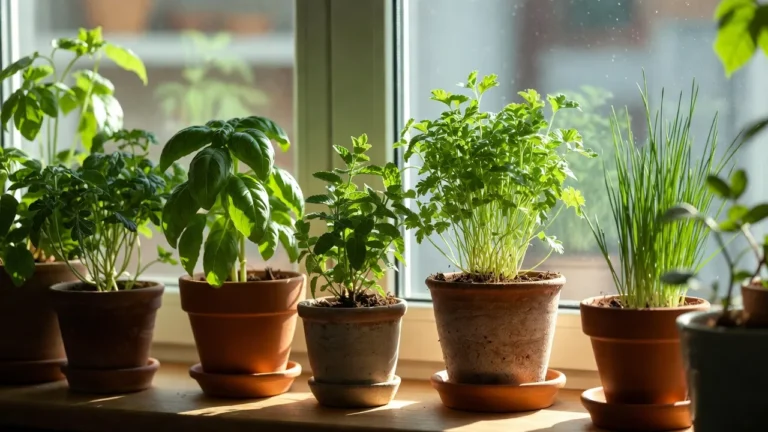
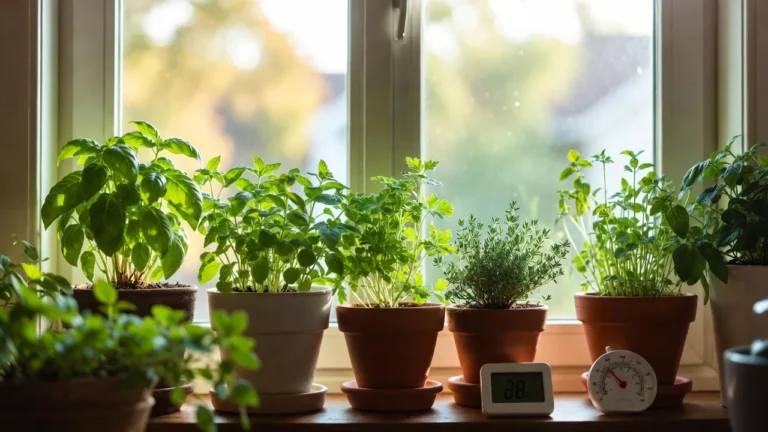
Indoor Herb Gardener
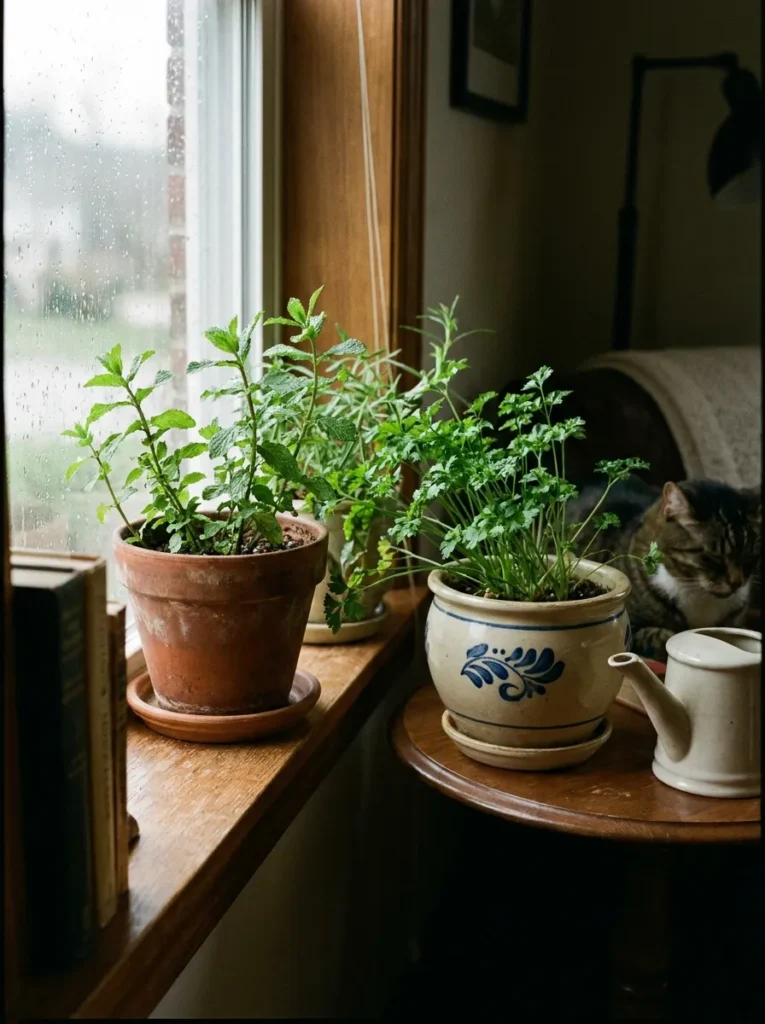
This result usually means limited sunlight or irregular care. Indoor environments often lack strong direct light, and airflow is lower than outdoors.
Herbs in this setup grow more slowly, so overwatering becomes a common issue. Soil stays wet longer indoors, which can lead to root stress if not managed carefully.
How to work with this setup:
- Place herbs near the brightest window, preferably south-facing
- Rotate pots every few days so growth stays even
- Water lightly but consistently and avoid soaking the soil
Best suited herbs: mint, parsley, coriander
These herbs tolerate indirect light and adapt well to indoor conditions.
Beginner Herb Grower
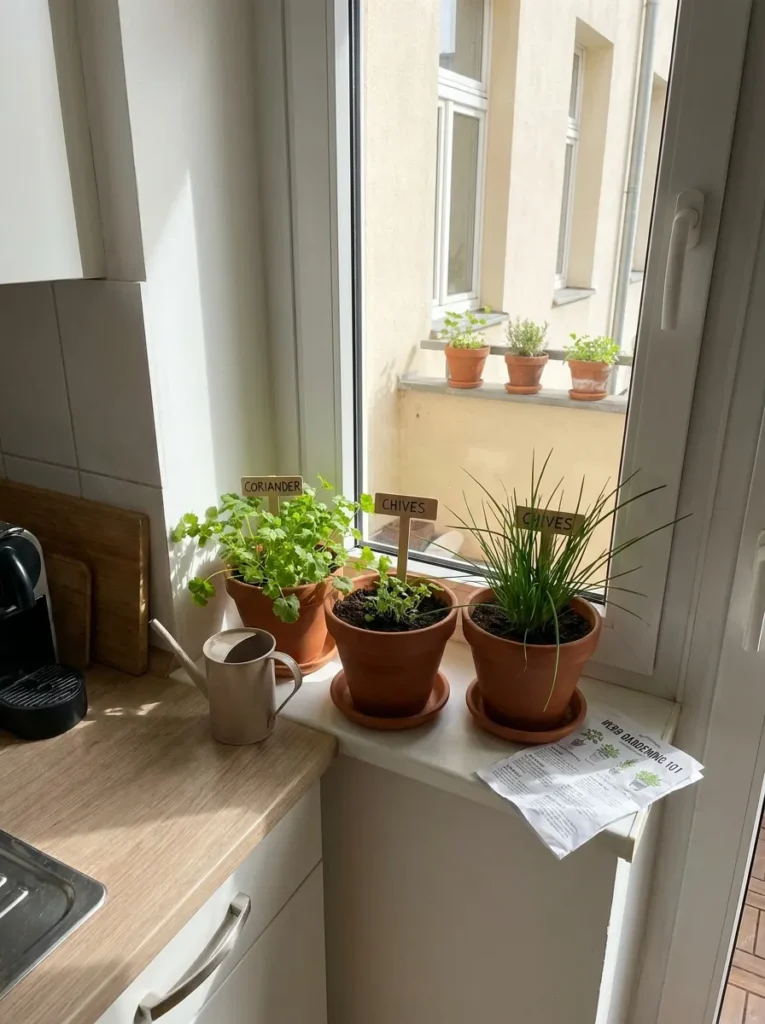
This stage is less about environment and more about routine. You have workable conditions, but consistency is still developing.
Most problems at this level come from over-adjusting, such as watering too much, moving plants too often, or trying too many herbs at once.
How to improve results:
- Keep a simple schedule instead of guessing daily
- Observe leaves because they show early signs of stress
- Use lightweight soil that drains easily
Best suited herbs: mint, coriander, chives
These recover quickly from minor mistakes and help build confidence.
Balanced Herb Grower
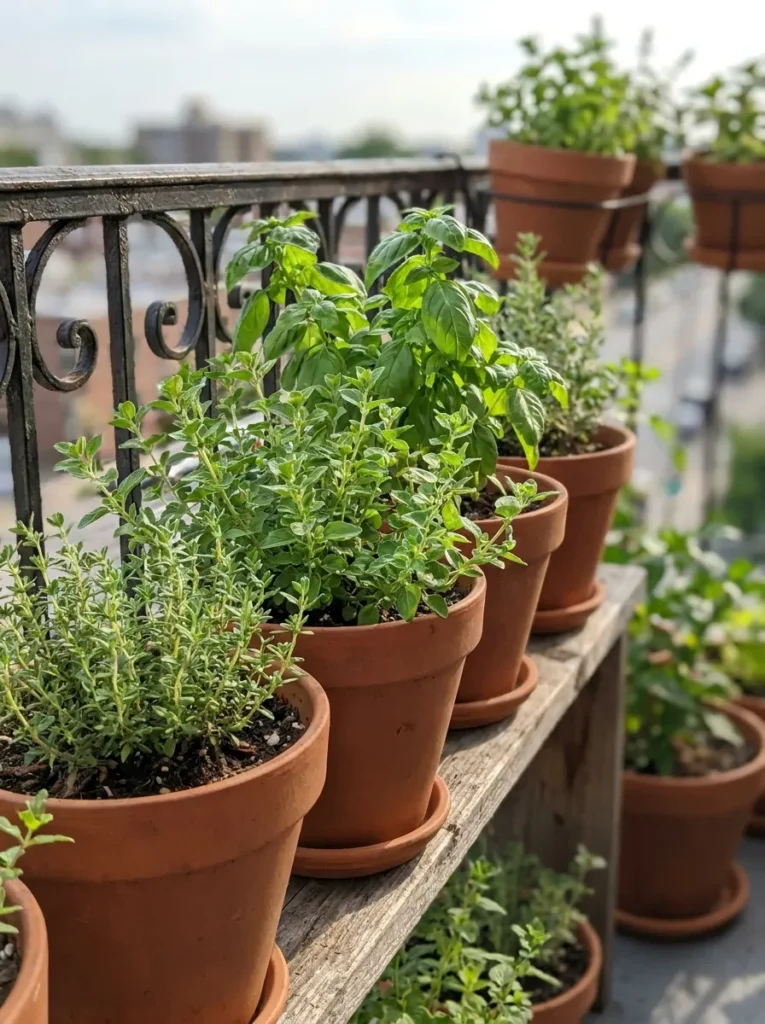
You have stable conditions and a workable routine. This allows for more variety and better overall growth.
At this level, small details start to matter more, especially soil structure and pruning.
What makes the difference here:
- Use well-draining soil and avoid dense or compact mixes
- Trim herbs regularly to encourage new growth
- Keep spacing between plants for airflow
Without trimming, many herbs become leggy and produce fewer leaves.
Best suited herbs: basil, oregano, thyme
These respond well to consistent care and moderate sunlight.
Sun-Loving Herb Grower
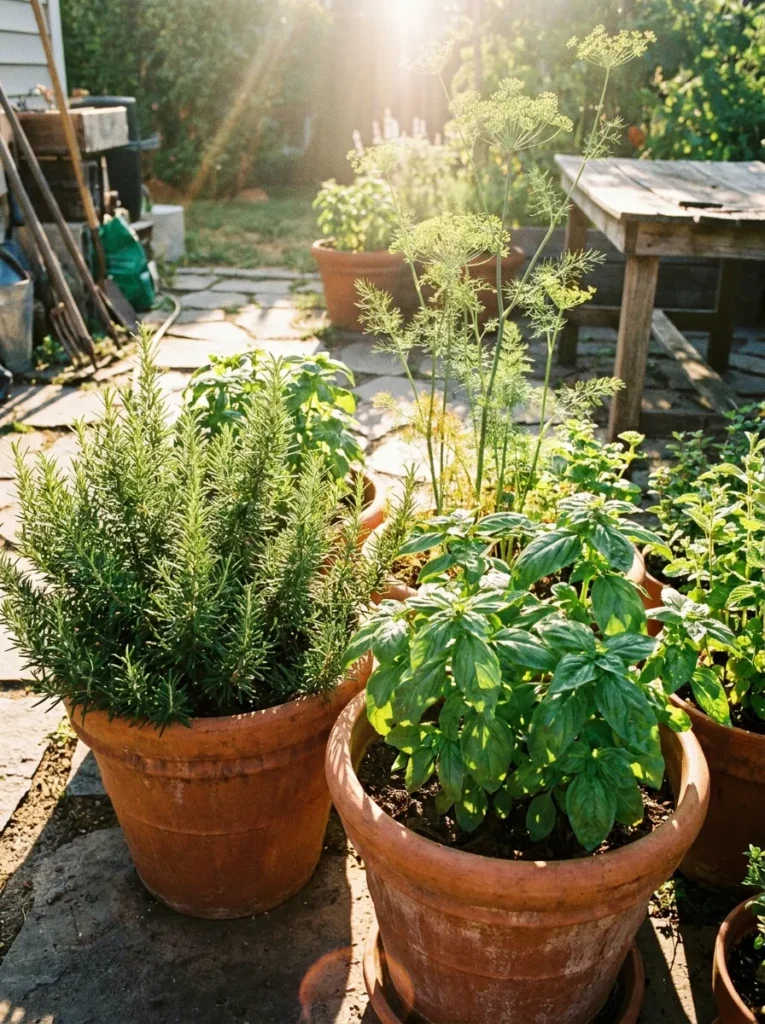
This setup offers the strongest growing conditions with full sunlight and consistent care. Herbs grow faster here, but they also use more water and nutrients.
High light increases evaporation, so watering needs to be deeper rather than frequent. Shallow watering leads to weak root systems.
Key practices:
- Water thoroughly, then allow soil to partially dry
- Prune regularly to maintain shape and productivity
- Use occasional feeding to support leaf growth
Best suited herbs: basil, rosemary, dill
These herbs reach full flavor and yield only under strong light.
Why Matching Herbs to Your Conditions Matters
Each herb has a natural growth pattern. Some prefer dry, well-drained soil like rosemary, while others prefer consistent moisture like mint.
When conditions do not match:
- Growth slows
- Leaves lose color
- Plants become more sensitive to stress
When conditions are right:
- Roots develop properly
- Leaves become thicker and more aromatic
- Plants require less attention over time
This is why choosing the right herb is often more important than the care routine itself.
Practical Mistakes That Affect Growth
Most herb problems come from a few common issues:
1. Overwatering
The most frequent mistake. Roots need oxygen as much as water. Constantly wet soil blocks airflow and weakens the plant.
2. Poor soil structure
Heavy soil holds water too long. Herbs prefer light, well-draining mixes that allow roots to breathe.
3. Insufficient light
Without enough light, herbs stretch toward the source, becoming thin and weak.
4. Lack of pruning
Many herbs grow better when trimmed. Without pruning, they become tall and unproductive.
Soil and Container Basics
Healthy herbs start below the surface.
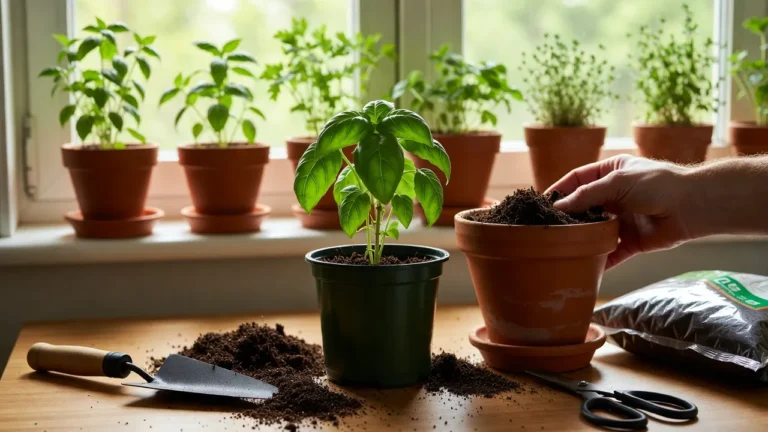
- Use pots with drainage holes at all times
- Choose a loose soil mix instead of compact garden soil
- Avoid letting water collect at the bottom
A simple improvement like switching to better soil can significantly increase growth speed and plant health.
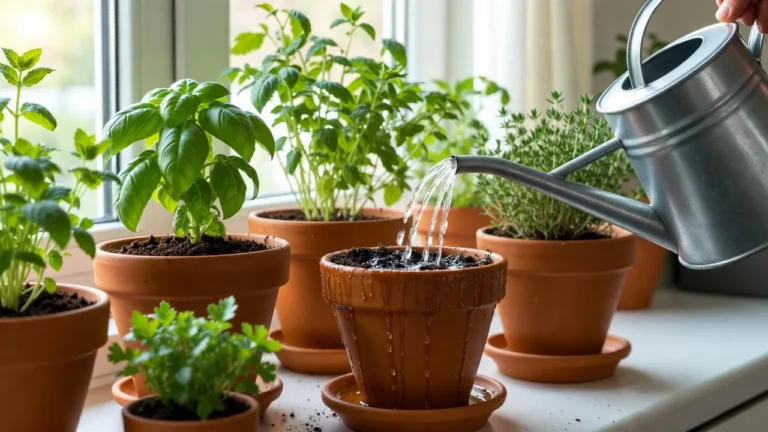
Watering the Right Way
Instead of watering on a schedule, use this approach:
- Check the top layer of soil
- If it feels dry, water
- If it still feels moist, wait
This prevents both overwatering and underwatering.
Indoor plants usually need less frequent watering than outdoor ones due to lower evaporation.
Improving Your Setup Over Time
You do not need a perfect setup from the start. Small changes make a noticeable difference:
- Move plants closer to natural light
- Adjust watering based on weather and season
- Replace old soil when it becomes compact
- Upgrade containers if drainage is poor
As your setup improves, your results will naturally shift toward higher-performing herbs.
Using This Quiz as a Practical Guide
This quiz gives you a starting point based on your current conditions. Instead of experimenting randomly, you begin with herbs that are more likely to succeed.
Over time, you can:
- Try new herbs as your environment improves
- Adjust care based on plant response
- Build a more stable growing system
Conclusion
Growing herbs becomes easier when you stop treating all plants the same. Each herb responds differently to light, water, and care.
By understanding your growing style and working within it, you reduce mistakes and get better results with less effort. Over time, small improvements in setup and routine lead to stronger plants and more consistent growth.

Hi, I’m Rimsha, founder of Urban Bloomer 🌱
I grow herbs and plants in a small apartment and share what actually works in limited indoor spaces. Over the past few years, I’ve tested different setups, from lighting and soil to watering routines, to find simple methods that make indoor gardening easier.
Here, you’ll find practical, beginner-friendly advice based on real experience, not complicated gardening systems.