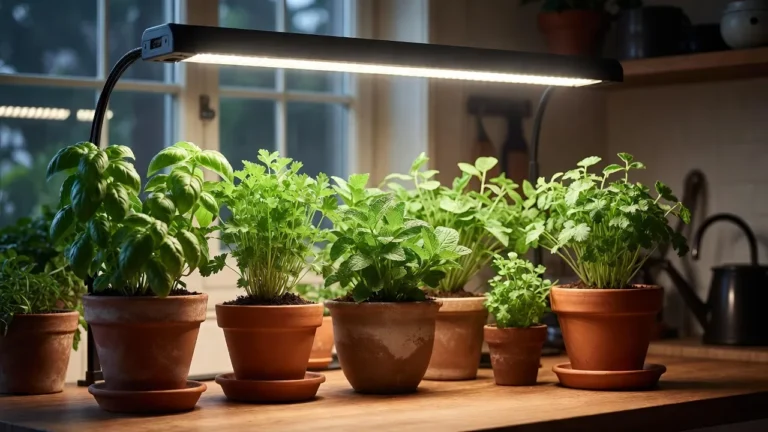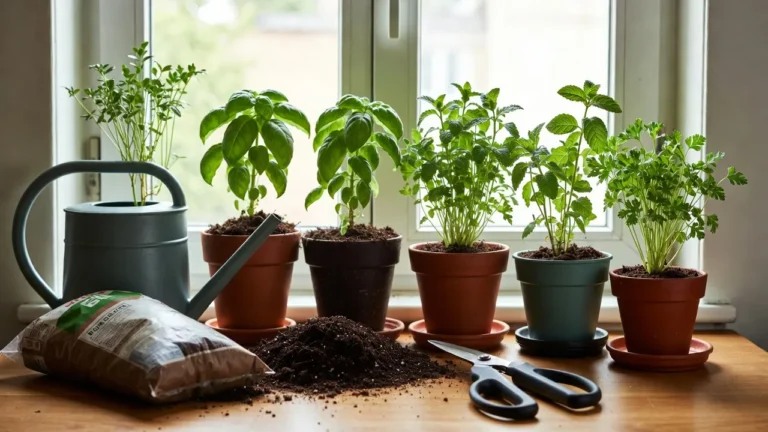
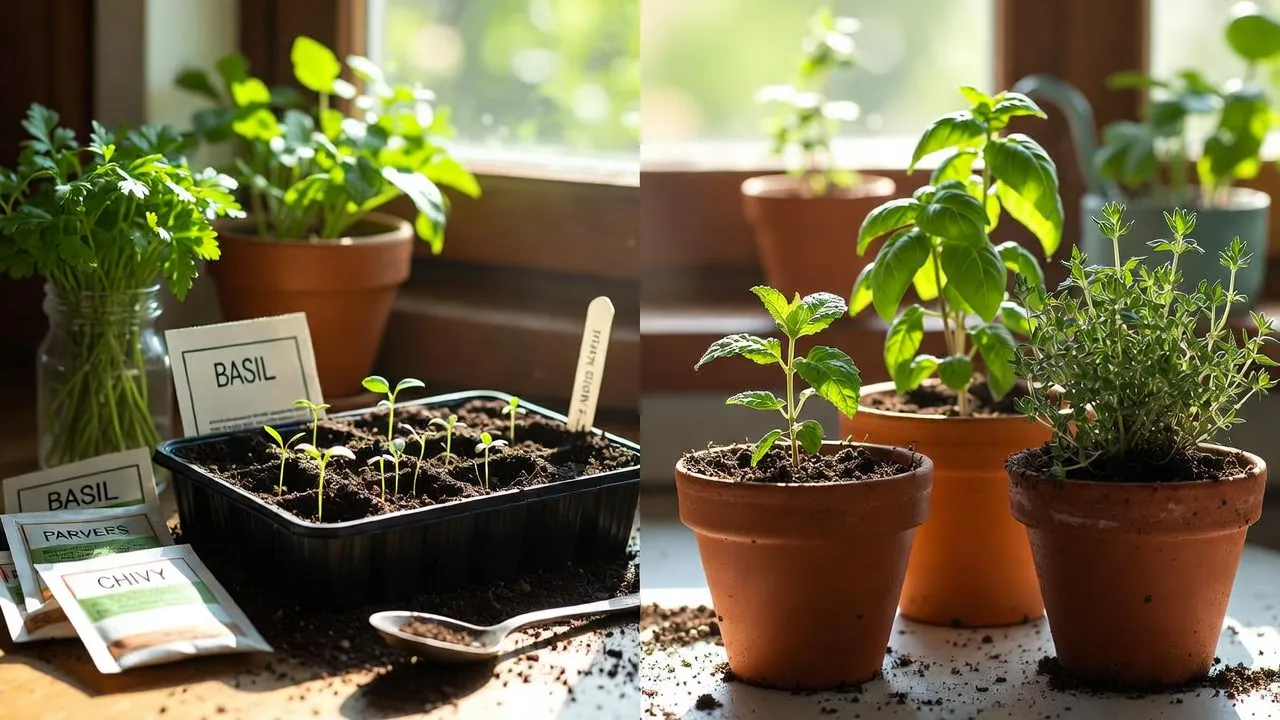
Seeds vs Seedlings for Indoor Herbs: Which One Is Better?
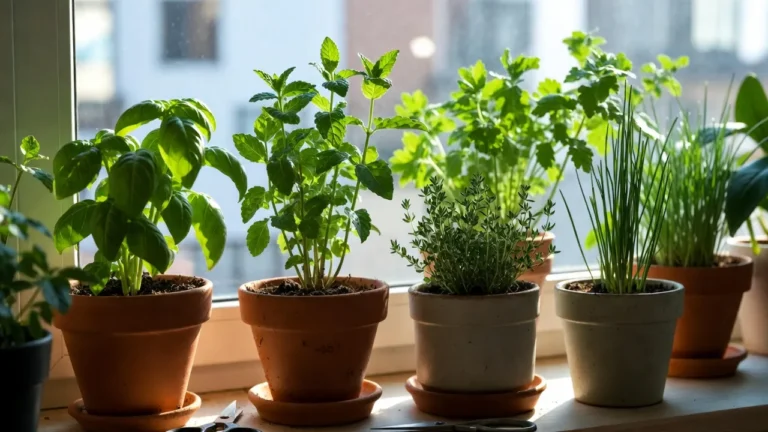
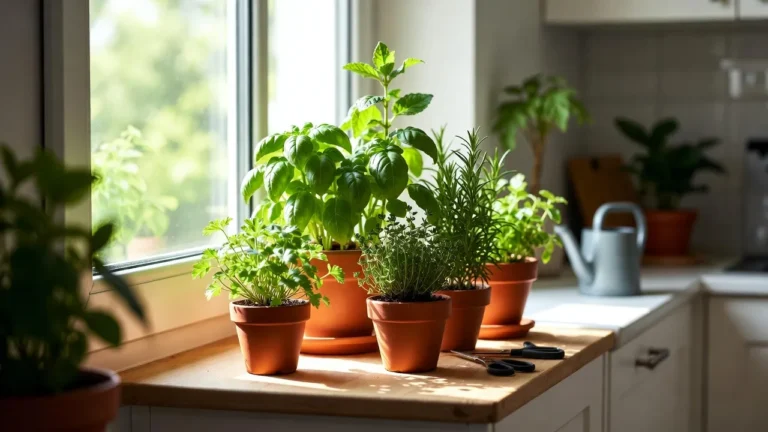
Starting an indoor herb garden at home is exciting and surprisingly simple. Fresh basil for pasta, mint for tea, or parsley for soups can grow right on your kitchen windowsill.
But before planting anything, many beginners face the same question:
Should you start herbs from seeds or buy seedlings?
Both methods work well for indoor gardening, but they lead to very different experiences. Seeds are cheaper and give you more variety. Seedlings grow faster and are easier for beginners.
Choosing the right option can make the difference between herbs that thrive and herbs that struggle.
This guide explains the differences clearly so you can decide which option fits your indoor herb setup, time, and experience.
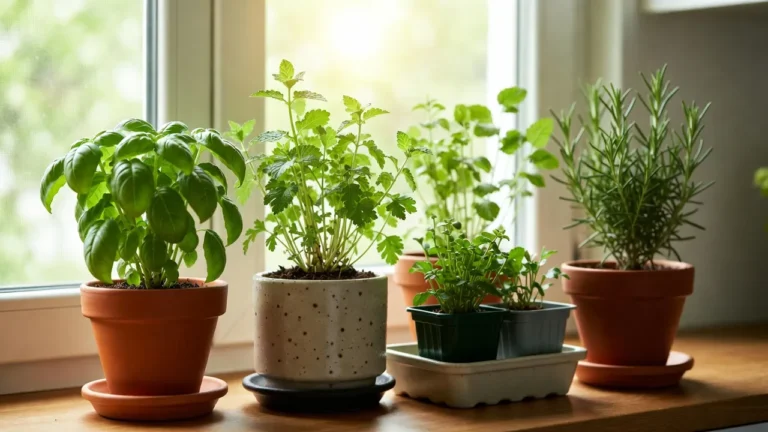
Before starting herbs from seeds or seedlings, it’s important to choose the right growing spot.
What Are Seeds and Seedlings?
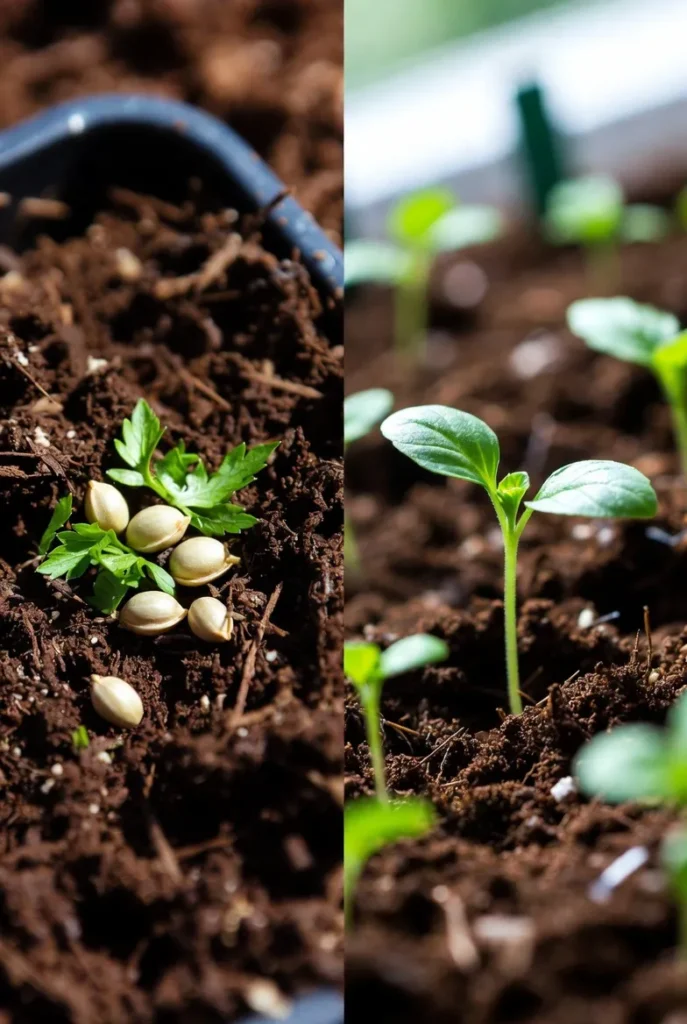
Before choosing between the two methods, it helps to understand exactly what seeds and seedlings are and how they differ in the early stages of plant growth.
Seeds
Seeds are the earliest stage of plant life. They contain a tiny plant embryo that grows once it receives the right conditions.
When seeds are planted in moist soil with proper temperature and light, they begin seed germination. The seed opens, roots develop, and a small plant begins to grow.
According to the University of Minnesota Extension, proper moisture, warmth, and oxygen are essential conditions for successful seed germination.
Herb seeds commonly grown indoors include:
- Basil (Ocimum basilicum)
- Parsley (Petroselinum crispum)
- Chives (Allium schoenoprasum)
- Cilantro
- Dill
Seeds allow gardeners to observe the entire life cycle of a plant, from germination to harvest.
Seedlings
A seedling is a young plant that has already germinated and developed its first leaves.
Instead of starting from seeds, gardeners buy these small plants from:
- garden centers
- plant nurseries
- farmers markets
- local plant shops
Seedlings have already passed the fragile germination stage, which makes them easier to grow for beginners.
Common herb seedlings sold in stores include:
- Mint (Mentha)
- Thyme (Thymus vulgaris)
- Oregano (Origanum vulgare)
- Rosemary (Salvia rosmarinus)
- Basil
Seeds vs Seedlings: Quick Comparison
To make the differences easier to understand, the table below summarizes the most important factors when deciding how to start your indoor herbs.
Factor | Seeds | Seedlings |
|---|---|---|
Cost | Very cheap | More expensive |
Growth speed | Slow start | Faster harvest |
Difficulty | Moderate | Beginner-friendly |
Variety | Very large | Limited |
Risk of failure | Higher | Lower |
Time to harvest | Longer | Shorter |
Why the Choice Matters for Indoor Herb Gardening
Growing herbs indoors is slightly different from outdoor gardening.
Inside homes or apartments:
- light levels may be lower
- airflow is limited
- containers restrict root growth
- temperature stays stable
Some herbs perform better when started from seedlings, while others grow easily from seeds. Choosing the right method reduces problems such as:
- slow plant growth
- weak seedlings
- transplant shock
- failed germination
Pros of Growing Indoor Herbs from Seeds
Starting herbs from seeds offers several advantages, especially for gardeners who enjoy the full growing process.
1. Much Lower Cost
Seeds are extremely affordable.
A single packet often contains dozens or even hundreds of seeds. That means you can grow many plants for the cost of one seedling.
For example:
- Basil seed packet: enough for many plants
- Single basil seedling: usually one plant
This makes seeds ideal for gardeners creating larger indoor herb gardens.
2. Much Greater Variety
Seed catalogs and online stores offer hundreds of herb varieties.
Examples include:
- Thai basil
- lemon basil
- purple basil
- curly parsley
- flat-leaf parsley
Seedlings sold in stores usually include only common herbs.
3. Full Plant Life Experience
Some gardeners enjoy watching the full process from seed germination to mature plant.
It allows you to observe:
- early root development
- first leaves (cotyledons)
- plant establishment
- growth stages
This is rewarding for people learning about plants.
4. Better for Large Indoor Herb Setups
Seeds work well if you plan to grow herbs in:
- vertical herb shelves
- hydroponic systems
- large windowsill gardens
Starting many plants from seedlings can become expensive.
Cons of Starting Herbs from Seeds
Seeds also come with challenges, especially indoors.
Slower Growth
Seeds require time for germination and early development.
Many herbs take:
- 5–14 days to germinate
- 4–7 weeks before harvest
Higher Failure Risk
Seeds may fail if conditions are not ideal.
Common problems include:
- soil too wet
- poor light
- incorrect temperature
- seeds planted too deep
New gardeners sometimes lose seedlings during this stage.
Requires More Attention
Seeds need consistent care during the early growth stage.
You must monitor:
- soil moisture
- germination temperature
- light exposure
This stage is delicate but manageable with practice.
Many beginners struggle during the early growth stage. This guide on common indoor herb gardening mistakes explains the most frequent problems and how to avoid them.
Pros of Buying Herb Seedlings
While seeds offer flexibility and affordability, seedlings provide several practical advantages for indoor gardeners.
Seedlings skip the most fragile stage of plant growth.
This makes them a popular choice for beginners.
1. Faster Harvest
Because seedlings are already growing plants, they reach harvest size sooner.
Instead of waiting weeks for germination and growth, you can begin harvesting leaves within 2–3 weeks.
2. Easier for Beginners
Many indoor gardeners start with seedlings because they are more forgiving.
You do not need to worry about:
- seed germination
- early root formation
- fragile sprouts
Instead, you begin with a plant that already has a stable root system.
3. Higher Success Rate
Healthy seedlings from a nursery already passed the most difficult stage.
This means fewer failed plants and faster results.
4. Instant Visual Results
A windowsill garden looks full and green much faster when you start with seedlings.
For people decorating kitchens or apartments, this can be appealing.
Downsides of Seedlings
Despite their advantages, seedlings also have limitations.
Higher Cost
Buying multiple herb plants can become expensive.
If you want many herbs, seeds may be more economical.
Limited Variety
Garden centers usually sell only the most popular herbs.
Special varieties may only be available as seeds.
Possible Transplant Shock
Moving seedlings into new containers sometimes causes stress to the plant.
This is called transplant shock and may temporarily slow growth.
Proper watering and gentle handling usually solve this issue.
Which Herbs Grow Best from Seeds Indoors?
Some herbs germinate easily and are ideal for seed starting.
Herbs that grow well from seeds
- Basil (Ocimum basilicum)
- Chives (Allium schoenoprasum)
- Cilantro
- Dill
- Parsley (Petroselinum crispum)
These herbs sprout quickly and adapt well to container gardening.
They are good choices for beginners learning seed starting.
If you’re unsure which herbs are easiest to grow at home, this list of the best herbs to grow indoors for beginners highlights the most reliable choices.
Herbs That Are Easier from Seedlings
Some herbs are slow or inconsistent when grown from seeds.
Buying seedlings often saves time.
Herbs often better as seedlings
- Rosemary (Salvia rosmarinus)
- Thyme (Thymus vulgaris)
- Oregano (Origanum vulgare)
- Mint (Mentha)
These plants take longer to germinate and establish strong roots.
Starting with seedlings allows faster success indoors.
How to Start Herbs from Seeds Indoors
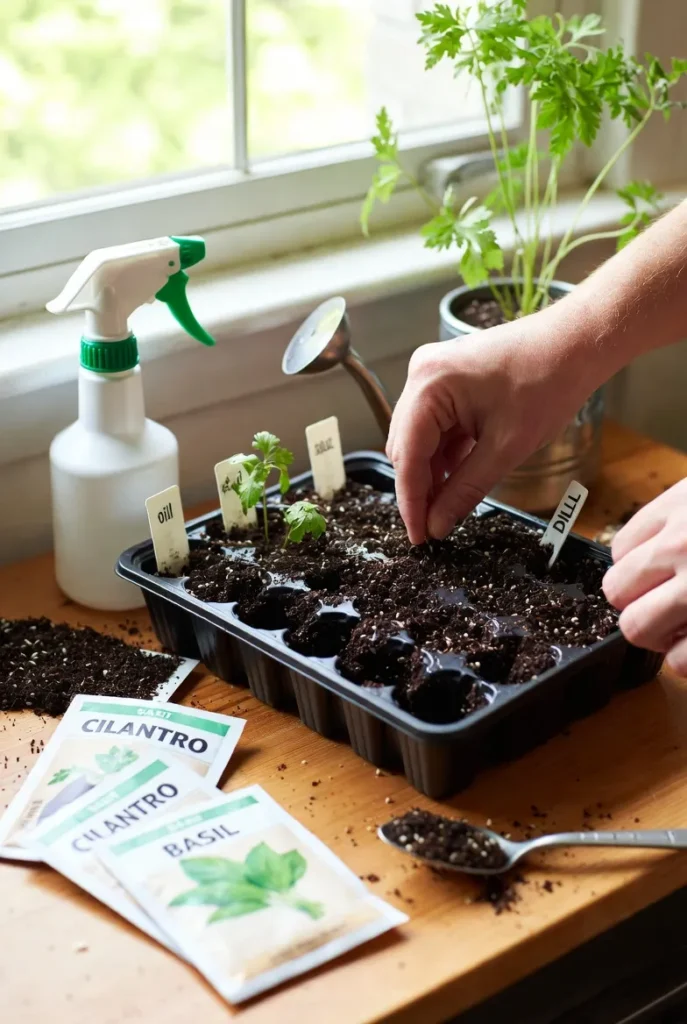
If you choose seeds, the process is simple when broken into steps.
Step 1: Choose Containers
Use:
- seed trays
- small pots
- propagation trays
Containers should always have drainage holes.
Choosing the right pot size and drainage is essential for healthy herbs. This guide on choosing the best containers for indoor herbs explains which pots work best for different herb types.
Step 2: Use Seed Starting Mix
Seeds grow best in a lightweight seed starting mix.
This type of soil helps maintain moisture while allowing airflow to roots.
Using the correct soil mix helps seedlings develop strong roots. This guide on choosing the best soil for indoor herbs explains which ingredients help herbs grow well indoors.
Step 3: Plant Seeds Shallowly
Most herb seeds should be planted very shallowly.
Some tiny seeds only need to rest on the surface with light soil covering.
Step 4: Provide Light
Place containers near:
- a bright window
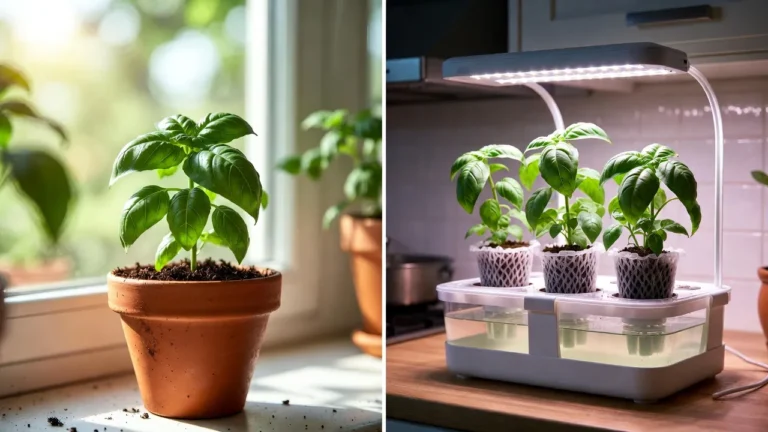
- or under grow lights
Herbs typically need 6–8 hours of light daily.
Step 5: Keep Soil Moist
Seed germination requires consistent moisture.
Avoid letting soil dry out completely, but do not overwater.
Overwatering is one of the most common mistakes with indoor herbs. This guide on how to water indoor herbs properly explains how often herbs should be watered and how to avoid root problems.
How to Transplant Seedlings into Indoor Containers
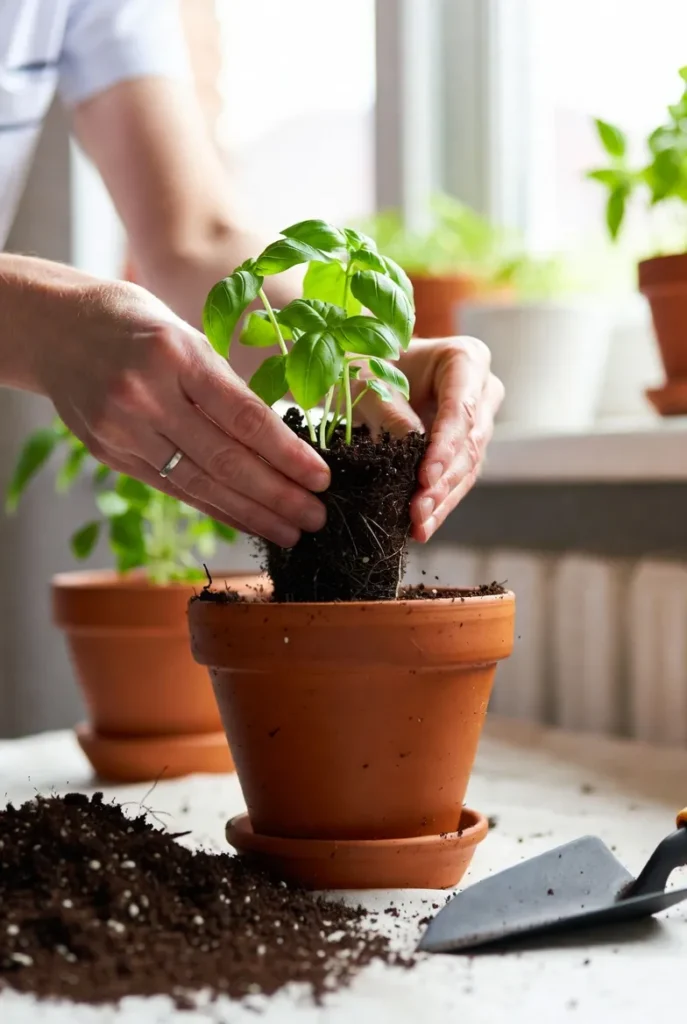
If you start with seedlings, transplanting them properly helps prevent transplant shock.
Step 1: Prepare Containers
Choose containers around 6–8 inches wide for most herbs.
Fill them with quality potting mix.
Step 2: Remove Seedling Carefully
Gently loosen the seedling from its nursery pot.
Avoid pulling on the stem.
Step 3: Plant at the Same Depth
Place the plant at the same depth it grew previously.
This helps roots adjust quickly.
Step 4: Water Thoroughly
After planting, water the soil until excess drains from the pot.
This helps settle soil around the roots.
Indoor Herb Growth Timeline
Knowing the typical growth timeline helps you understand when herbs will be ready to harvest.
Stage | Seeds | Seedlings |
|---|---|---|
Germination | 5–14 days | Already complete |
Early growth | 2–3 weeks | Already developed |
Harvestable leaves | 5–7 weeks | 2–3 weeks |
Seedlings shorten the waiting period significantly.
Once your herbs reach harvest size, learning proper cutting techniques keeps plants producing new leaves. This guide on how to harvest indoor herbs without killing the plant shows exactly where to cut.
Apartment and Windowsill Growing Factors
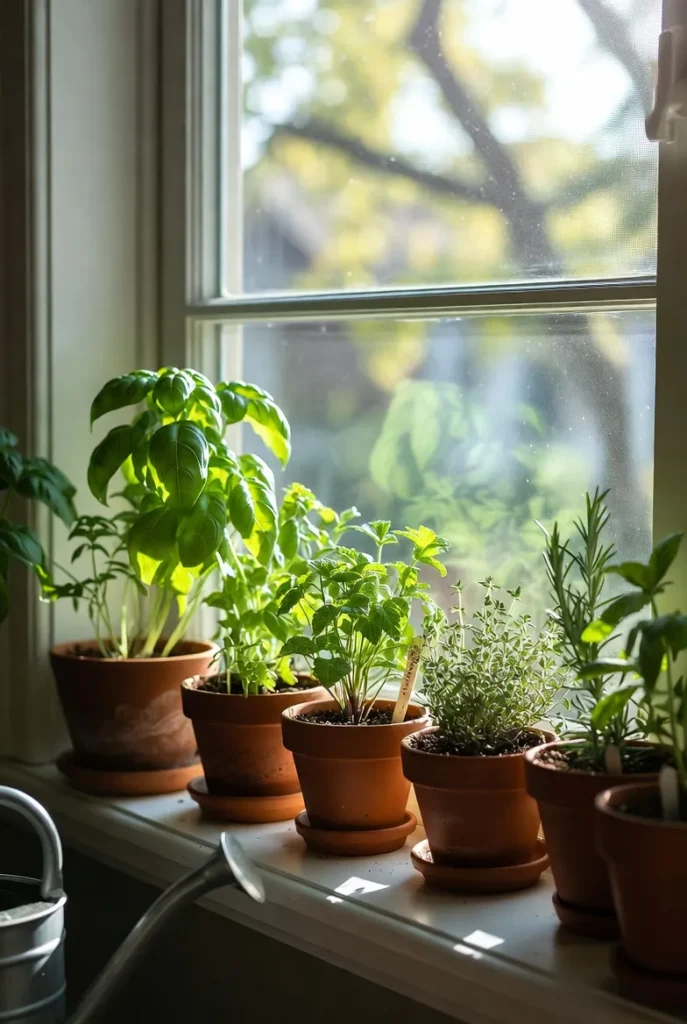
Indoor herbs depend heavily on their environment.
In apartments or small homes:
- sunlight may be filtered by nearby buildings
- airflow can be limited
- containers hold less soil
Because of this, strong plants often adapt faster indoors.
Seedlings sometimes handle these conditions better than delicate young sprouts.
However, seeds still grow well if you provide:
- bright light
- stable temperatures
- proper watering
Indoor herbs also benefit from occasional feeding. This guide to the best fertilizers for indoor herbs explains which nutrients help herbs grow stronger in containers.
Do Indoor Herbs Need Grow Lights?
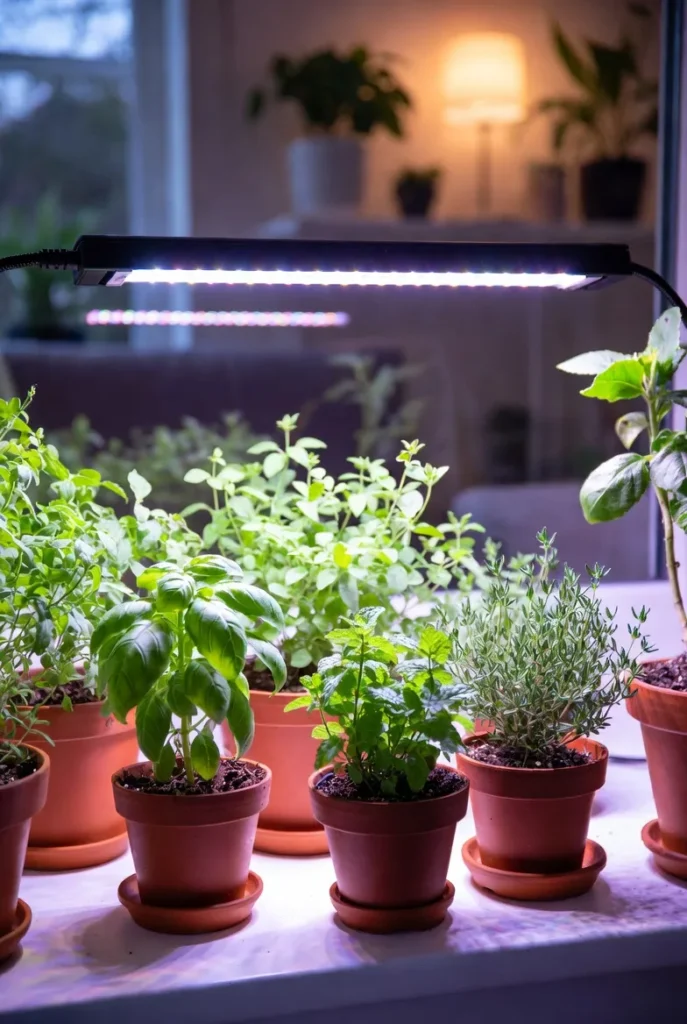
Natural sunlight works well for many indoor herbs, but some homes or apartments may not receive enough direct light.
In these situations, LED grow lights can help herbs grow more consistently.
Grow lights provide a full spectrum of light that supports healthy plant development and faster growth.
They are especially useful for:
• apartments with limited sunlight
• north-facing windows
• winter herb gardening
Even a small grow light placed above your herb containers can significantly improve plant growth.
If your home receives limited sunlight, this guide to the best grow lights for indoor herbs explains how artificial lighting helps herbs grow faster and healthier indoors.
Decision Guide: Seeds or Seedlings?
If you are unsure which option to choose, use this quick guide.
Choose seeds if you:
- want the cheapest option
- enjoy gardening experiments
- plan to grow many herbs
- want rare herb varieties
Choose seedlings if you:
- want faster harvests
- are a beginner gardener
- want a quick kitchen herb garden
- prefer convenience
Many gardeners use both methods together.
For example:
- grow basil and chives from seed
- buy rosemary and thyme as seedlings
This approach balances cost and convenience.
FAQs
1. Is it better to grow herbs from seeds or seedlings?
Seeds are cheaper and offer more variety, while seedlings grow faster and are easier for beginners. The best choice depends on your experience, patience, and how quickly you want to harvest herbs.
2. Do herbs grow faster from seeds or seedlings?
Seedlings grow faster because they have already completed the germination stage and begun developing roots and leaves.
3. Can herbs grow indoors from seeds?
Yes. Many herbs grow well indoors from seeds if they receive enough light, proper watering, and suitable temperatures.
4. How long do herb seeds take to grow indoors?
Most herb seeds germinate in 5–14 days and reach harvest size in 4–7 weeks, depending on the plant species and growing conditions.
5. Are seedlings better for beginners?
Yes. Seedlings skip the delicate germination stage, making them easier to manage for new gardeners.
6. Which herbs are easiest to grow from seed indoors?
Basil, chives, parsley, cilantro, and dill are among the easiest herbs to start from seeds.
7. Which herbs are difficult to grow from seeds?
Rosemary, thyme, oregano, and mint often grow more slowly from seeds and are commonly started from seedlings.
8. Can you plant supermarket herb plants at home?
Yes. Many supermarket herb plants can be transplanted into larger containers and grown indoors with proper care.
Conclusion
Both seeds and seedlings can produce healthy indoor herbs.
Seeds offer affordability, variety, and the full gardening experience. They are ideal for gardeners who enjoy growing plants from the very beginning.
Seedlings provide speed, reliability, and simplicity, which makes them perfect for beginners or anyone who wants quick results.
With the right light, containers, and care, either method can lead to a thriving indoor herb garden and fresh herbs within reach whenever you cook.
If you’re completely new to indoor gardening, this beginner guide to growing herbs indoors explains how to start your first indoor herb garden step-by-step.

Hi, I’m Rimsha, founder of Urban Bloomer 🌱
I grow herbs and plants in a small apartment and share what actually works in limited indoor spaces. Over the past few years, I’ve tested different setups, from lighting and soil to watering routines, to find simple methods that make indoor gardening easier.
Here, you’ll find practical, beginner-friendly advice based on real experience, not complicated gardening systems.