Indoor Herb Garden Supplies Checklist
Have you ever bought herbs from the store… only to throw half of them away three days later?
You’re not alone.
Fresh basil, mint, or parsley looks great in the grocery aisle. But once you get home, they wilt fast. That’s exactly why so many apartment dwellers are turning to indoor herb gardening.
The good news?
You don’t need a greenhouse.
You don’t need expensive equipment.
And you definitely don’t need to buy everything the garden store suggests.
You just need the right supplies.
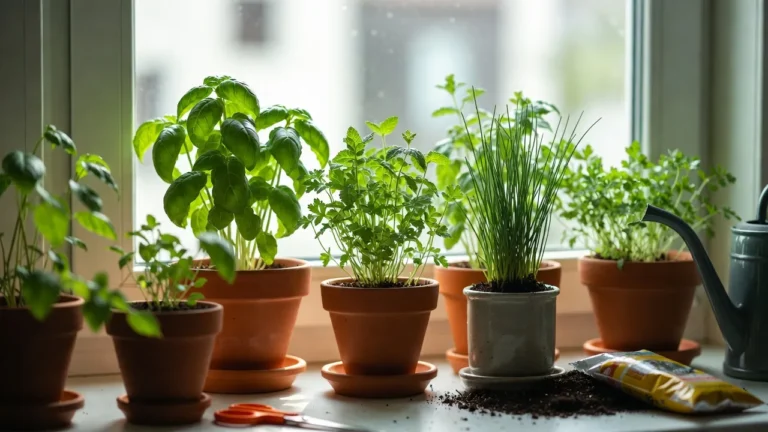
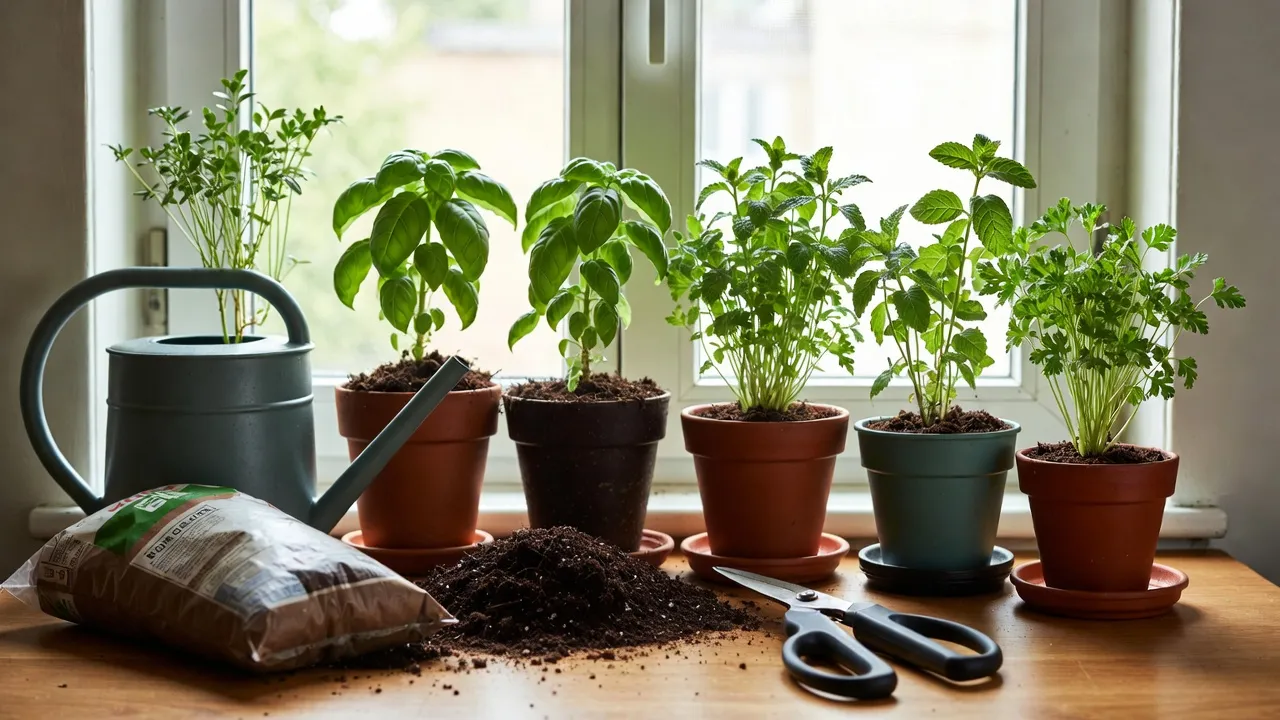
This indoor herb garden supplies checklist shows you exactly what to buy, what to skip, how much it costs, and how to adapt it for small apartments, low-light homes, and different climates.
Before that if you’re new to indoor growing, start with my complete guide on Indoor Herb Gardening for Beginners to understand the basics before buying supplies.
What Is an Indoor Herb Garden Supplies Checklist?
An indoor herb garden supplies checklist is a clear list of tools and materials needed to grow herbs successfully inside your home.
It covers:
- Containers
- Soil and drainage
- Lighting
- Watering tools
- Maintenance essentials
Without the right setup, indoor herbs fail due to poor drainage, weak light, or overwatering. This checklist prevents those common mistakes before they happen.
The Absolute Essentials (Do Not Skip These)
If you only buy five things, buy these.
1. Containers with Drainage Holes
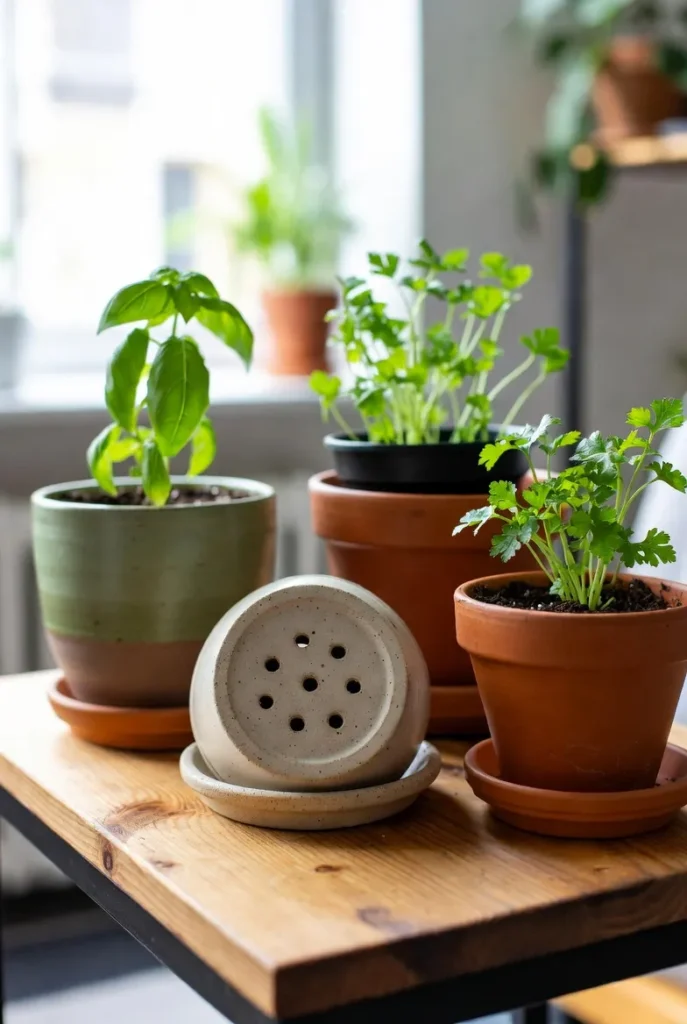
Drainage holes are non-negotiable.
Without proper drainage, excess water stays at the bottom of the pot. This suffocates roots and causes root rot, one of the most common indoor plant problems.
Good container options include:
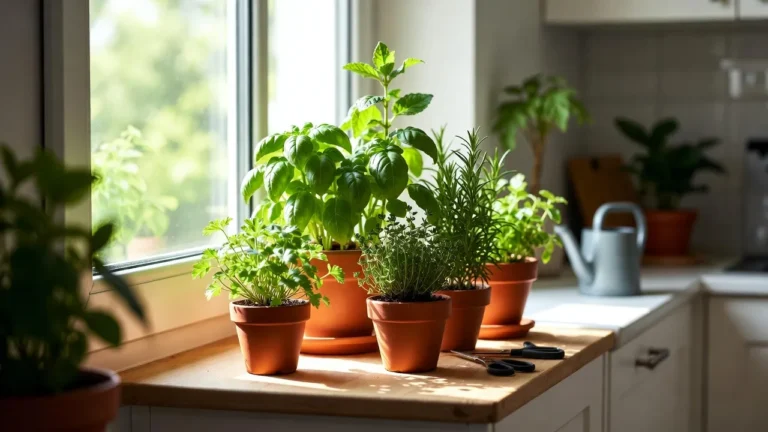
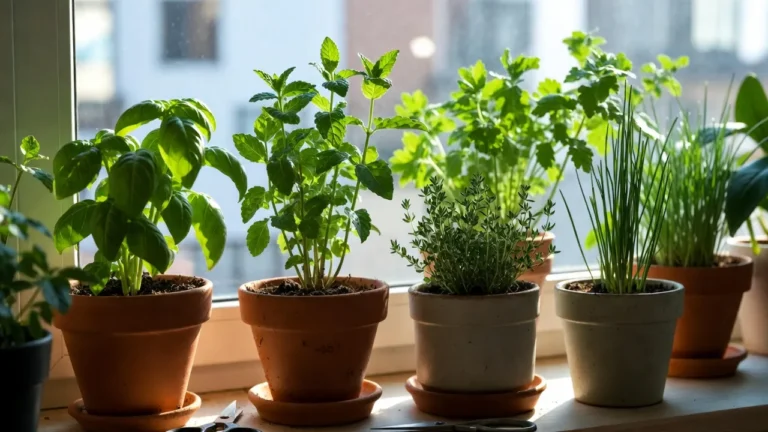
- Ceramic pots (stable and decorative)
- Plastic pots (lightweight and practical)
- Self-watering planters (helpful for busy schedules)
- Fabric grow bags
Pots should be at least 6 inches deep to avoid overcrowding roots.
In small-space setups, I’ve noticed that shallow decorative pots often look appealing but restrict root development within weeks. Depth matters more than aesthetics when long-term growth is the goal.
Containers are one of the most important items in any indoor herb setup. If you’re unsure which type to buy, this guide explains how to choose the right pots for indoor herbs.
2. Saucer Trays
Saucers catch excess water and protect furniture. They also let you see if water is draining properly.
Good drainage supports healthy root systems and better nutrient uptake.
3. High-Quality Potting Mix
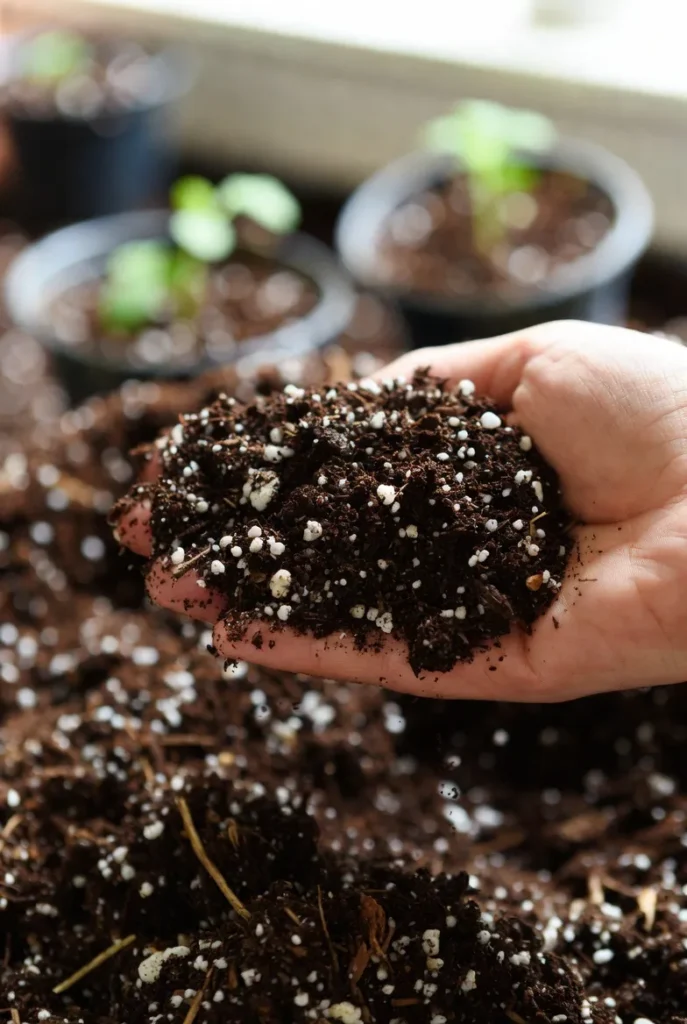
Do not use outdoor garden soil indoors. Indoor potting mix should be light, airy, and nutrient-rich. Look for mixes containing:
- Coco coir or peat moss (moisture balance)
- Perlite (aeration and drainage)
- Compost (natural nutrients)
Early on, I underestimated how important soil structure was. When I used dense, inexpensive mixes, watering problems increased dramatically.
Switching to a lighter, well-aerated mix immediately improved root health and growth consistency.
If you’re unsure which soil works best, read our guide on choosing the right soil for indoor herbs.
4. Seeds vs. Starter Plants
Both options work, depending on your budget:
Seeds
- Affordable and rewarding
- Wider variety
- Germination: 1–3 weeks
Starter plants
- Faster growth
- Easier for beginners
- Harvest within weeks instead of months
Beginner tip: Start with 2–3 small plants to avoid overcrowding.
5. Light Source
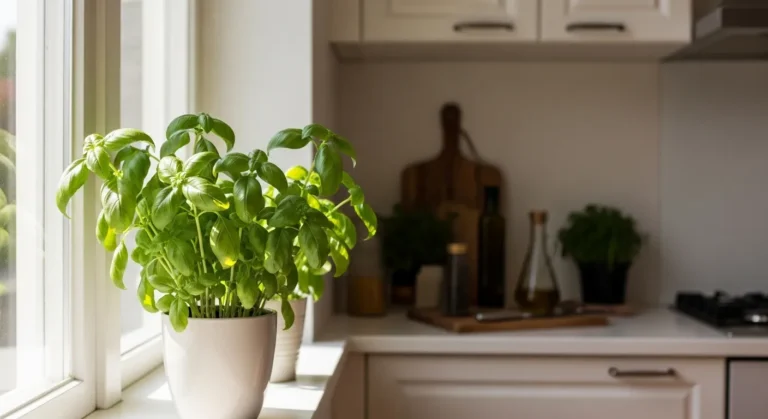
Most herbs need 4–8 hours of light per day.
Natural Light Setup
- South-facing windows = strongest light
- East-facing windows = gentle morning light
- North-facing windows = often too dim
In high-rise apartments surrounded by other buildings, even south-facing windows can receive surprisingly limited direct light. A simple LED grow light often stabilizes growth within days.
Growing Herbs Without Sunlight
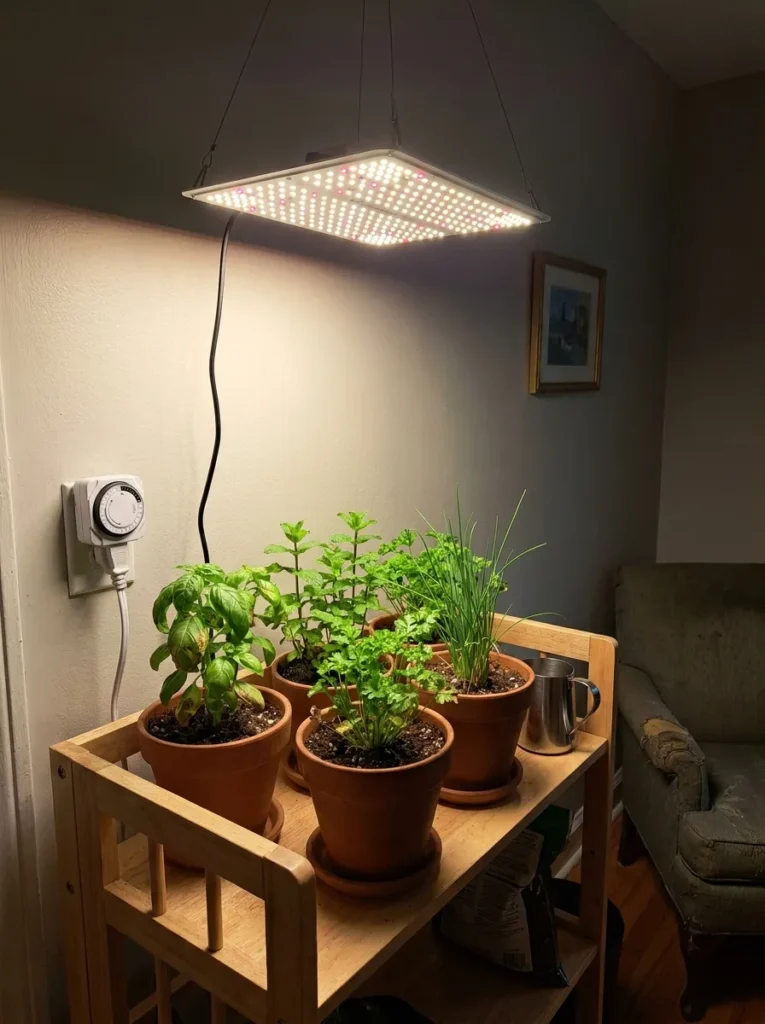
If sunlight is limited, use LED grow lights.
Full-spectrum LED grow lights mimic natural sunlight and support photosynthesis.
Basic Guidelines
- Keep lights 6–12 inches above plants
- Use for 12–14 hours daily
- Turn off at night to simulate natural cycles
Grow lights are especially helpful during winter in northern regions or in high-rise apartments with blocked windows.
Helpful Tools (Make Life Easier, Not Mandatory)
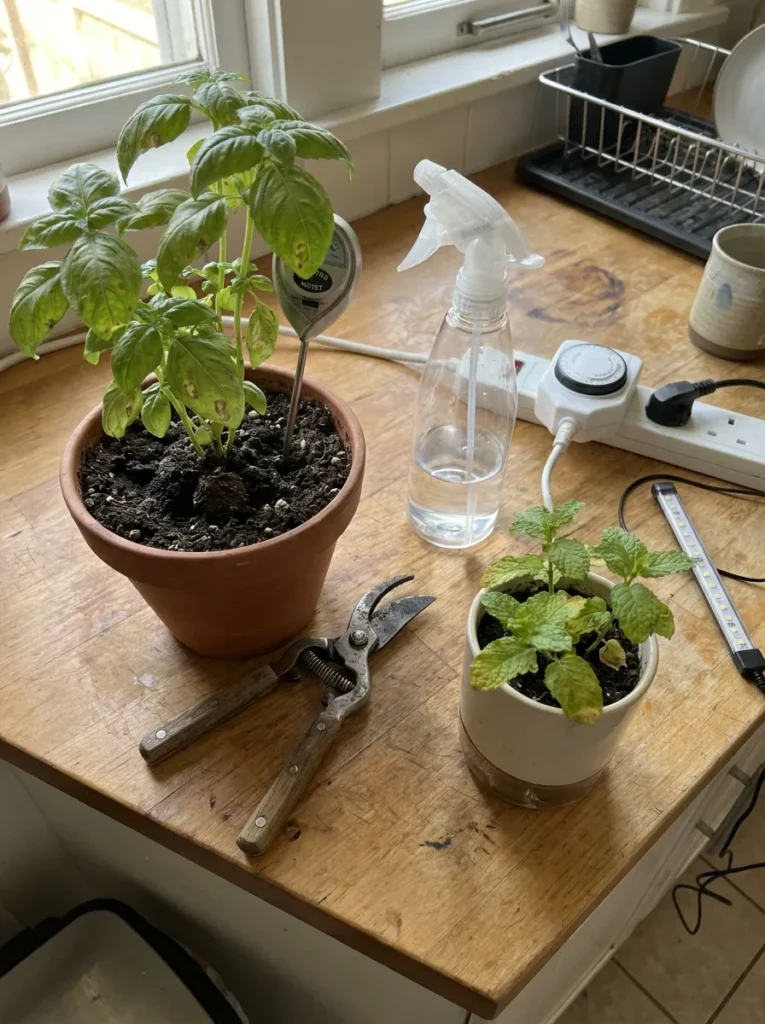
Once you have the basics, a few extra tools can make indoor herb gardening even easier by reducing mistakes and improving results.
- Moisture meter (prevents overwatering)
- Pruning shears (clean harvesting)
- Spray bottle (gentle misting)
- Timer plug (automates grow lights)
- Self-watering planter
Soil vs Hydroponics: Supply Differences
Indoor gardening can use soil or hydroponics.
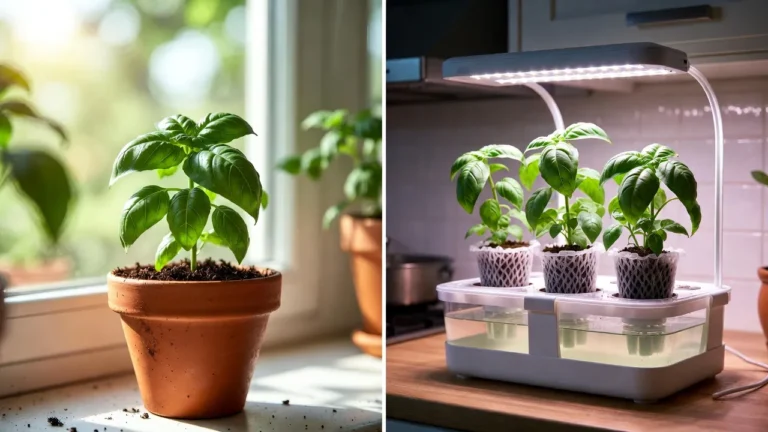
Soil-Based Setup
You’ll need:
- Pots with drainage
- Potting mix
- Saucer trays
- Watering tool
- Light source
Pros:
- Affordable
- Simple to manage
Cons:
- Can get messy
- Risk of overwatering
Hydroponic Setup
Hydroponics grows herbs in nutrient-rich water.
Required supplies:
- Hydroponic container or system
- Nutrient solution
- Net pots
- Growing medium (clay pellets or rockwool)
- LED grow lights
Pros:
- Cleaner setup
- Faster growth
- Reduced soil pests
Cons:
- Higher startup cost
- Requires monitoring nutrient balance
After testing both methods in limited-space environments, soil setups tend to be more forgiving for beginners, while hydroponic systems reward those who are comfortable monitoring nutrients closely.
Budget Breakdown
Indoor herb gardening is surprisingly affordable.
Item | Cost Range |
|---|---|
Pots | $20–$60 |
Potting mix | $10–$25 |
Starter herbs | $15–$40 |
LED grow light | $30–$120 |
A basic setup using natural sunlight can stay under $100.
Many beginners overspend initially by purchasing unnecessary decorative accessories.
In practice, most long-term indoor herb setups rely on simple, functional supplies rather than premium aesthetics.
Common Buying Mistakes
Across different apartment sizes and climates, these mistakes appear consistently in first-time indoor setups.
- Buying pots without drainage holes
- Using outdoor soil indoors
- Buying too many herbs at once
- Ignoring light conditions
- Choosing cheap, weak grow lights
Safety Reminders
Indoor gardening uses electricity and water.
- Keep water away from outlets
- Avoid overloaded extension cords
- Use grounded plugs for grow lights
- Ensure herbs are safe for pets
Electrical safety is just as important as plant care.
Simple Buying Decision Framework
If your apartment gets strong sunlight:
Buy:
- Pots with drainage
- Potting mix
- 2–3 herbs
If your apartment is low-light:
Add:
- Full spectrum LED grow lights
- Timer plug
If you want low maintenance:
Consider:
- Self watering planter
- Moisture meter
FAQS
1. What supplies do I need to grow herbs indoors?
Containers with drainage holes, potting mix, herbs, a light source, and watering tools.
2. Do I need special soil for indoor herbs?
Yes. Use light potting mix with coco coir, perlite, and compost.
3. Are grow lights necessary?
Only if natural sunlight is insufficient.
4. What is the minimum equipment needed?
Pots with drainage, soil, herbs, and light.
5. Can I use regular garden soil indoors?
No. It compacts and increases drainage issues.
6. Is hydroponics better than soil for herbs?
It depends on your light conditions and budget.
7. How much does it cost to start?
Basic setup can stay under $100 using natural sunlight.
8. What tools prevent overwatering?
Moisture meters and proper drainage holes reduce risk.
Conclusion
You don’t need a complicated setup to grow herbs indoors.
You need:
- Proper drainage
- Quality potting mix
- Adequate light
- Controlled watering
Start small. Buy smart. Upgrade only when necessary.
With the right supplies checklist, even the smallest apartment can support fresh herbs all year and you’ll never throw away wilted basil again.
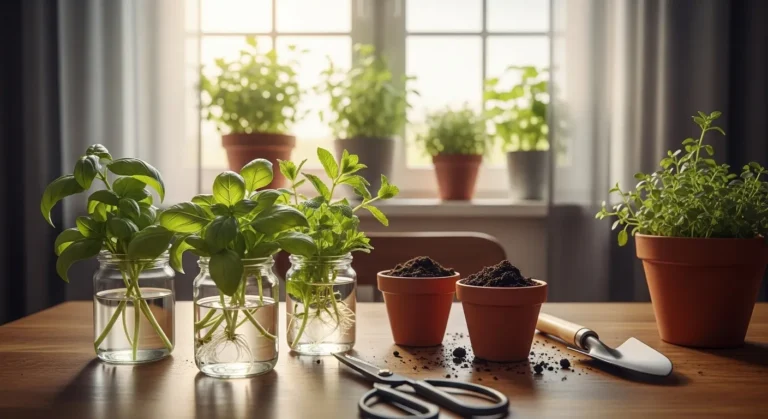
If you plan to expand your garden, consider learning how to start herbs from cuttings at home, which requires only a few simple tools.

Hi, I’m Rimsha, founder of Urban Bloomer 🌱
I grow herbs and plants in a small apartment and share what actually works in limited indoor spaces. Over the past few years, I’ve tested different setups, from lighting and soil to watering routines, to find simple methods that make indoor gardening easier.
Here, you’ll find practical, beginner-friendly advice based on real experience, not complicated gardening systems.