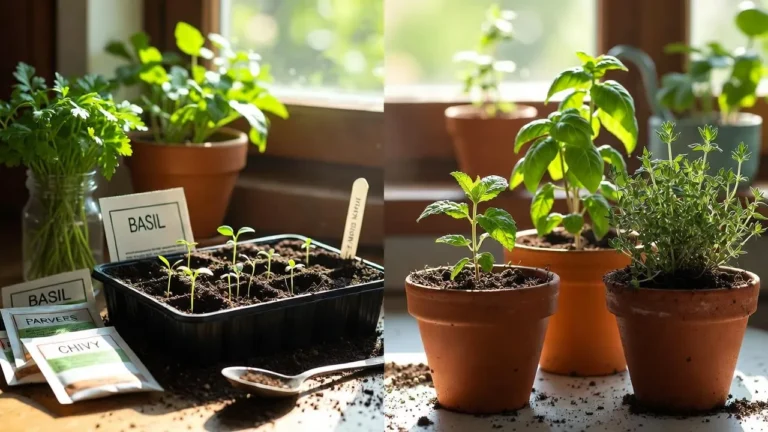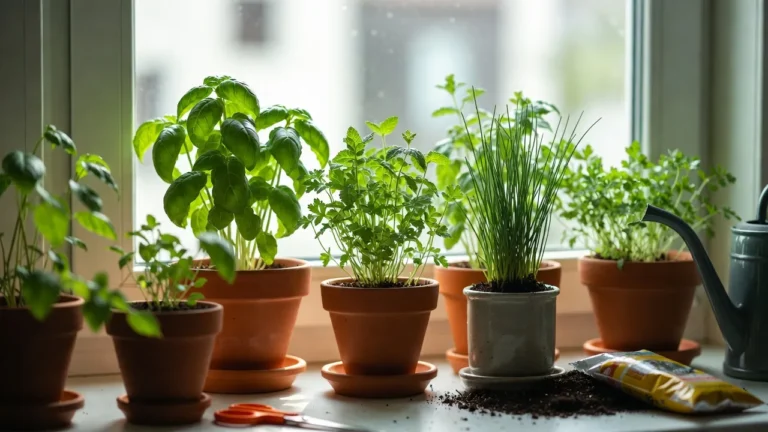
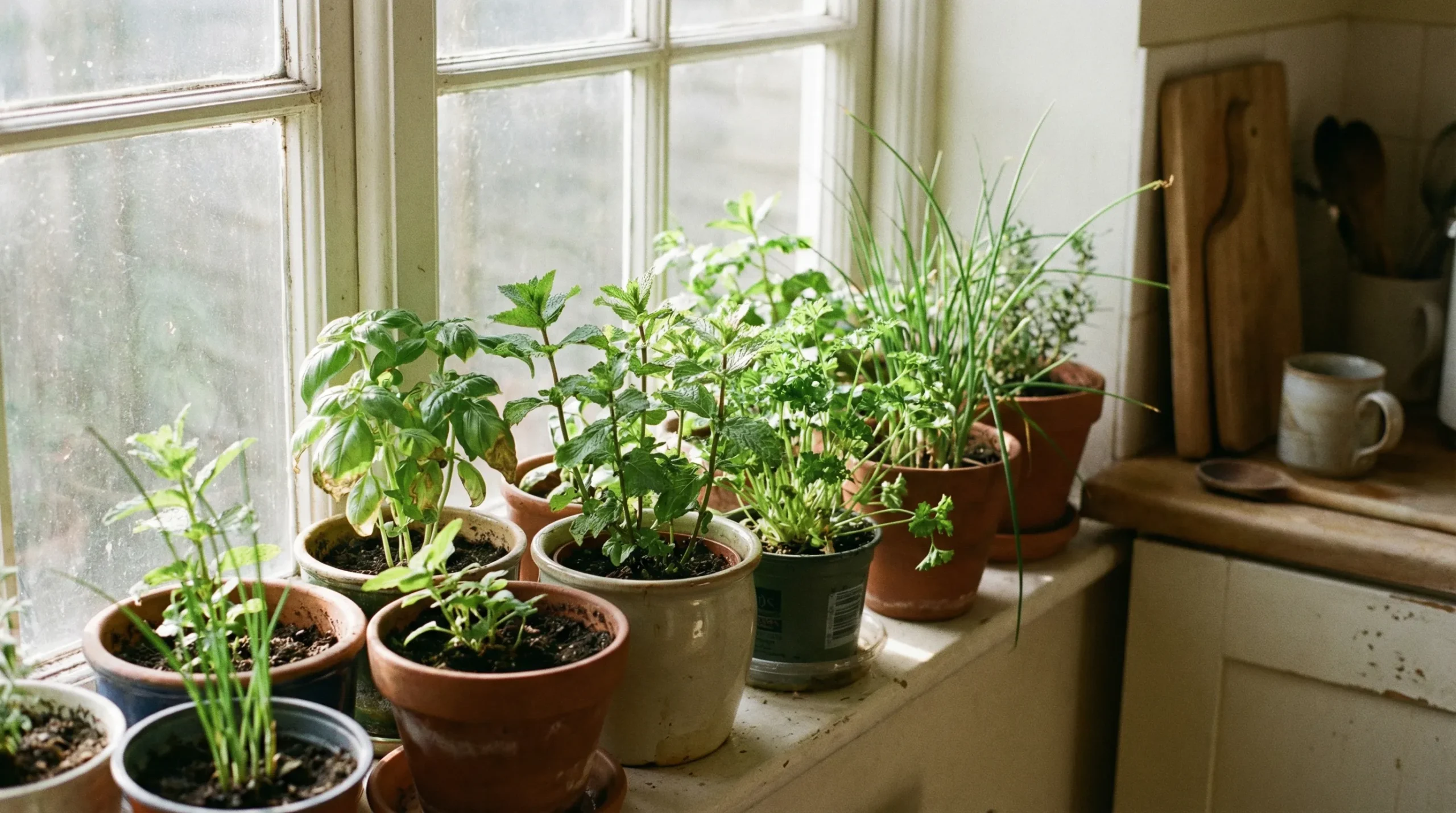
The 60-Day Indoor Herb Garden Challenge for Beginners
Imagine picking fresh basil, mint, or parsley from a small pot right beside your kitchen window. No backyard garden, no complicated equipment, just healthy herbs growing indoors where you can harvest them anytime.
Many beginners try indoor herb gardening but give up quickly. Seeds take longer than expected, plants grow slowly, or watering mistakes cause problems like root rot. The truth is, herbs need time to establish strong roots before they produce enough leaves for harvesting.
That’s why a 60-Day Indoor Herb Garden Challenge works better for beginners. In about two months, most common culinary herbs can grow from seeds to their first harvest if they receive proper light, soil, and care.
This guide walks you through the process step by step, from choosing herbs and planting seeds to pruning plants and harvesting your first leaves.
What Is the 60-Day Indoor Herb Garden Challenge?
The 60-Day Indoor Herb Garden Challenge is a beginner-friendly plan that helps you grow herbs indoors from seeds and reach your first harvest within about two months.
Instead of random gardening tips, this challenge follows a clear timeline:
- Setting up your indoor herb garden
- Germinating seeds and growing seedlings
- Establishing strong root systems
- Encouraging bushy plant growth
- Harvesting herbs safely
Why Growing Herbs Indoors Is Worth It
Before starting the challenge, it’s helpful to understand why growing herbs indoors is such a great choice for beginners.
Indoor herb gardening is one of the easiest ways to start growing plants at home.
Fresh Herbs Anytime
Fresh herbs improve everyday meals. Basil, cilantro, thyme, and oregano can add flavor to soups, pasta, salads, and sauces.
Perfect for Small Spaces
Indoor herb gardens work well in:
- small apartments
- kitchens
- balconies
- windowsills
Even a few pots near a sunny window can support several herbs.
Year-Round Growing
Outdoor herb gardens depend on seasons, but indoor plants can grow during winter if they receive enough light.
Now that you know the benefits, choosing the right herbs is the next important step.
Best Herbs to Grow Indoors for Beginners
Some herbs adapt better to indoor conditions than others. Beginners should start with plants that tolerate containers and moderate indoor light.
Easy Herbs for Indoor Gardening
Here’s a quick comparison of popular beginner herbs:
Herb | Germination | First Harvest | Watering | Light |
|---|---|---|---|---|
Basil | 5–10 days | 45–60 days | Moderate | 6–8 hrs sunlight / bright window |
Mint | 7–14 days | 30–50 days | Frequent | Indirect to bright light |
Parsley | 14–28 days | 60–80 days | Moderate | 6–8 hrs bright light |
Chives | 10–14 days | 60–70 days | Moderate | Bright indirect light |
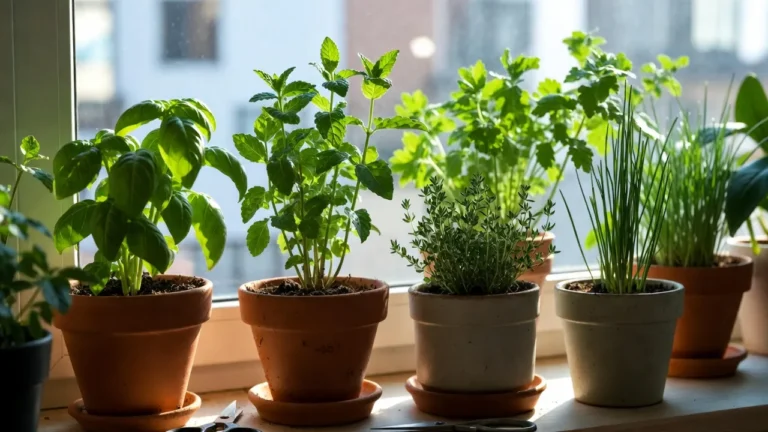
For a beginner challenge, choose three to five herbs such as basil, mint, parsley, and chives.
Tools and Supplies You Need
Once you’ve selected your herbs, gathering the right tools will make the process much easier.
Indoor herb gardening requires only a few basic supplies.
Essential Items
- pots or containers with drainage holes
- potting soil designed for container plants
- a watering can or spray bottle
- pruning scissors or shears
- a tray to catch excess water
A simple setup is enough to grow healthy herbs indoors.
Seeds vs Seedlings: Which Should You Choose?
Before planting, you’ll need to decide how you want to start your herbs.
When starting an indoor herb garden, you can either plant seeds or buy small plants called seedlings.
Growing from Seeds
Advantages
- cheaper
- more variety of herbs
Challenges
- slower start
- requires patience during germination
Starting with Seedlings
Advantages
- faster growth
- earlier harvest
Challenges
- slightly higher cost
- limited herb selection
The 60-day challenge works well for seeds, but beginners can also mix seeds and seedlings for faster results.
For more information regarding this topic, you can visit our guide on Seeds vs Seedlings.
The Complete 60-Day Indoor Herb Garden Plan
Now let’s break down the full 60-day process step by step so you know exactly what to expect.
I focus on simplifying herb gardening into practical steps so that anyone can grow fresh herbs indoors without confusion or unnecessary equipment.
Week 1–2 (Days 1–14): Setup and Seed Germination
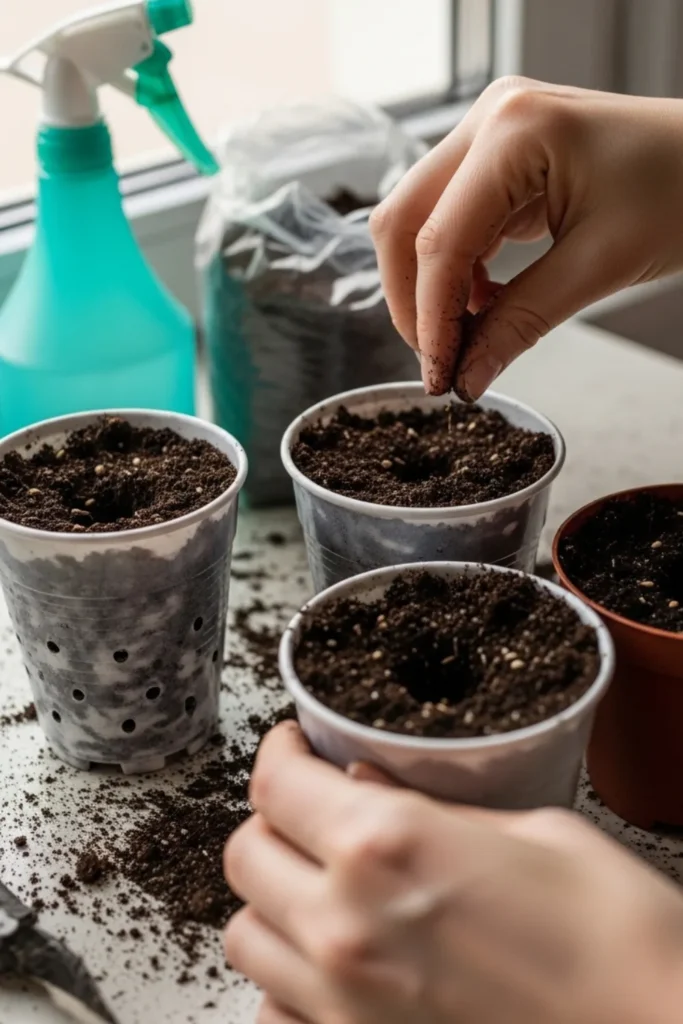
The first two weeks focus on preparing your indoor herb garden and starting seeds.
Choose Your Herbs
Select 3–5 beginner-friendly herbs such as:
- basil
- mint
- parsley
- chives
- oregano
Starting with fewer plants makes maintenance easier.
Prepare Containers
Choose pots with drainage holes to prevent water from collecting at the bottom.
Poor drainage can cause root rot, a common problem in indoor gardening.
Add Potting Soil
Use a light potting mix designed for container gardening. This type of soil supports proper soil drainage and root growth.
Plant the Seeds
Place seeds at the recommended depth, usually about ¼ inch deep for most herbs.
Lightly water the soil to keep it moist during germination.
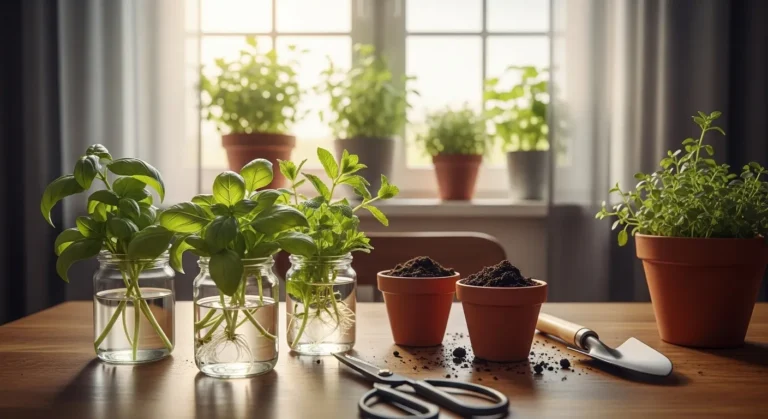
To quickly expand your herb collection during the challenge, try to start herbs from cuttings at home alongside growing from seeds.
Week 3–4 (Days 15–30): Seedling Growth
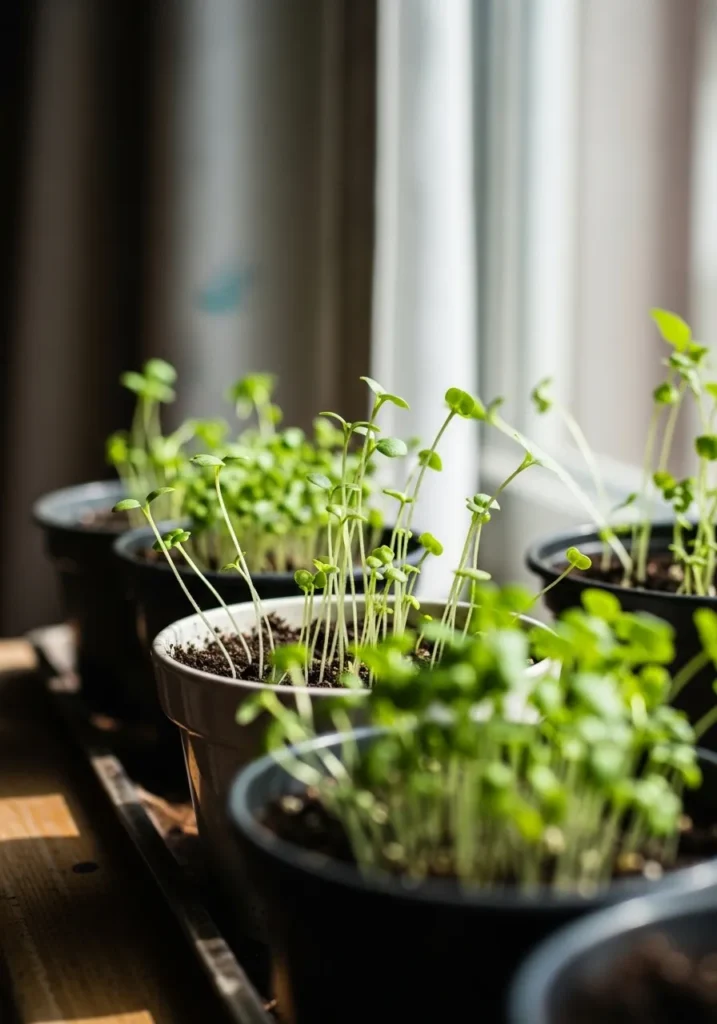
By the third week, seedlings begin to appear.
Provide Enough Light
Herbs need 6–8 hours of light daily.
Place plants near:
- south-facing windows
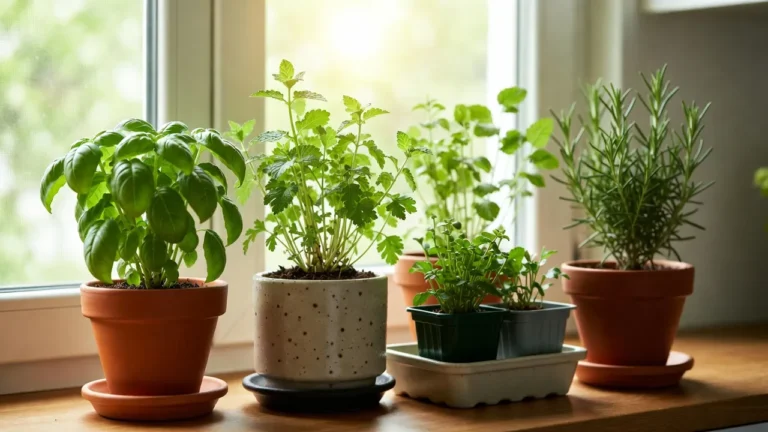
- bright kitchen windowsills
- balcony windows
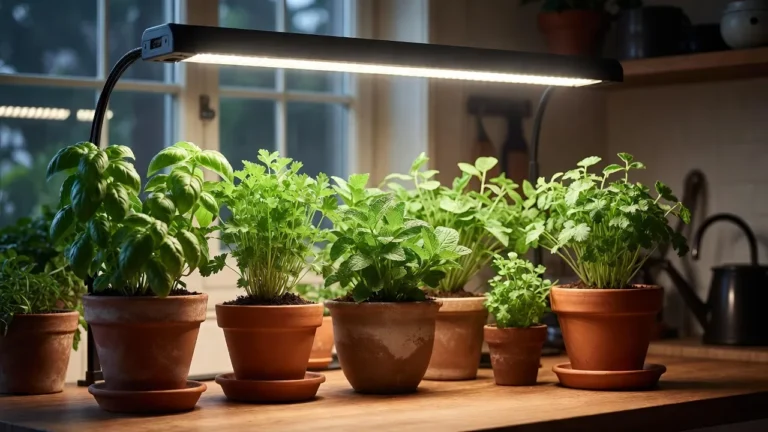
If sunlight is limited, LED grow lights can support plant growth.
In addition to light, maintaining the right environment is equally important. This guide on best temperature and humidity for indoor herbs explains how to keep conditions stable for healthy growth.
Thin Seedlings
If several seedlings sprout in one container, remove weaker ones so the stronger plants have space to grow.
Start a Watering Routine
A common rule is:
Water herbs when the top inch of soil feels dry.
Keeping soil slightly moist helps plants develop healthy roots.
Week 5–6 (Days 31–45): Strong Plant Development
During this stage plants grow taller and produce more leaves.
Begin Light Pruning
For herbs like basil, gently pinch the top leaves.
Pruning encourages bushier growth and prevents plants from becoming tall and weak.
Improve Airflow
Good airflow helps prevent fungal problems. Avoid overcrowding pots or placing them too close together.
Optional Fertilizer
Indoor herbs may benefit from a mild liquid fertilizer every few weeks.
Use small amounts because herbs usually do not need heavy feeding.
Week 7–8 (Days 46–60): First Harvest
By this stage many herbs are ready for their first harvest.
Harvest Leaves Carefully
Cut small amounts from mature plants:
- trim basil tips
- snip chives
- harvest parsley stems
- cut mint leaves
Never remove more than one-third of the plant at once. This allows herbs to keep growing.
Continue Regular Care
Maintain your watering routine, light exposure, and occasional pruning.
Your herb garden should now continue producing fresh herbs regularly.
Once your herbs are ready, knowing how to store them properly is just as important. This guide on how to store fresh herbs and keep them fresh longer can help reduce waste.
Where to Place Indoor Herbs
Location plays a major role in plant health.
Good places for indoor herbs include:
- kitchen windowsills
- sunny living room windows
- balcony plant shelves
- plant stands near windows
Avoid placing herbs near heating vents or cold drafts.
For more, you can see our guide on Where to Place Indoor Herbs.
Common Mistakes Beginners Make
Even with the right setup, beginners often run into a few common problems.
Avoiding common mistakes will help your herb garden succeed.
Overwatering
Too much water suffocates plant roots and causes fungal diseases.
Poor Drainage
Containers without drainage holes can trap water and damage roots.
Not Enough Light
Herbs require strong light for proper photosynthesis and leaf production.
Planting Too Many Herbs Together
Overcrowded pots lead to competition for nutrients and space.
Some herbs also don’t grow well together in the same container, so it’s worth understanding which combinations to avoid when planning your setup.
Soil vs Hydroponics for Indoor Herb Gardening
As you gain confidence, you may also explore different growing methods.
Indoor herbs can grow in soil or hydroponic systems.
Soil Gardening
Advantages
- simple and affordable
- beginner-friendly
- easy to manage
Disadvantages
- occasional pests
- soil maintenance required
Hydroponic Systems
Advantages
- faster growth
- cleaner indoor setup
Disadvantages
- higher setup cost
- requires special equipment
I’ve worked with both methods, and for beginners, soil-based systems are usually easier to manage and more forgiving.
Beginner Indoor Herb Garden Checklist
Before you begin, here’s a quick checklist to keep everything organized.
✔ 3–5 herb varieties
✔ containers with drainage holes
✔ quality potting soil
✔ access to sunlight or grow lights
✔ a simple watering schedule
This small checklist helps beginners stay organized.
FAQs
1. How long does it take to grow herbs indoors from seeds?
Most culinary herbs take 45–70 days from planting seeds to their first harvest. Growth depends on the herb variety, light exposure, watering habits, and indoor temperature.
2. What herbs grow best indoors for beginners?
Basil, mint, parsley, chives, oregano, and thyme are among the easiest herbs to grow indoors because they adapt well to containers and moderate indoor conditions.
3. How often should indoor herbs be watered?
Indoor herbs should be watered when the top inch of soil becomes dry. Overwatering is a common cause of plant problems, so always check soil moisture before watering.
4. Can indoor herbs grow year round?
Yes. Indoor herbs can grow throughout the year as long as they receive enough light, water, and proper care.
5. Can herbs grow indoors without direct sunlight?
Yes. Herbs can grow indoors without direct sunlight if you use LED grow lights designed for plant growth.
6. Should herbs be planted together or separately?
Herbs usually grow better in separate containers because each plant has different watering and sunlight requirements.
Conclusion
Growing herbs indoors is one of the most rewarding beginner gardening projects. With a simple 60-day indoor herb garden challenge, you can grow herbs from seeds to your first harvest in about two months.
By choosing easy herbs, using proper potting soil, providing enough sunlight, and maintaining a consistent watering routine, your indoor herb garden will continue producing fresh leaves long after the first harvest.
The key is patience and consistency. Once your herbs establish strong roots and healthy growth, they can provide fresh flavors for your kitchen all year round.

Hi, I’m Rimsha, founder of Urban Bloomer 🌱
I grow herbs and plants in a small apartment and share what actually works in limited indoor spaces. Over the past few years, I’ve tested different setups, from lighting and soil to watering routines, to find simple methods that make indoor gardening easier.
Here, you’ll find practical, beginner-friendly advice based on real experience, not complicated gardening systems.