Why Basil Bolts & How to Stop It Flowering
You planted basil expecting fresh, fragrant leaves but suddenly it starts growing flowers instead. Within days, the taste changes, the leaves shrink, and the plant seems to “give up.”
This isn’t random. Basil bolting is a natural response but the good news is you can control it.
In this guide, you’ll learn exactly why basil bolts, how to stop it from flowering quickly, and how to keep your plant productive for much longer, even in hot climates.
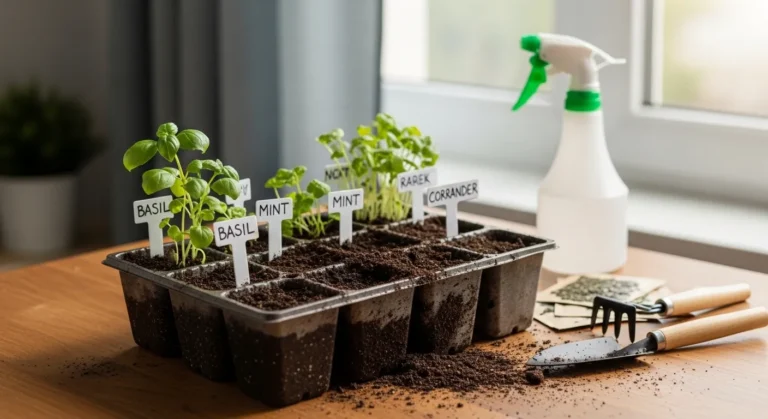
If you’re growing basil indoors, understanding the basics of setup and care makes a big difference. You can start with this guide on how to grow basil indoors.
Quick Answer: What causes basil to bolt?
Basil bolts due to heat, long daylight hours, stress, or maturity. When temperatures rise or care becomes inconsistent, the plant shifts from leaf production to flowering as part of its natural lifecycle.
What Is Basil Bolting?
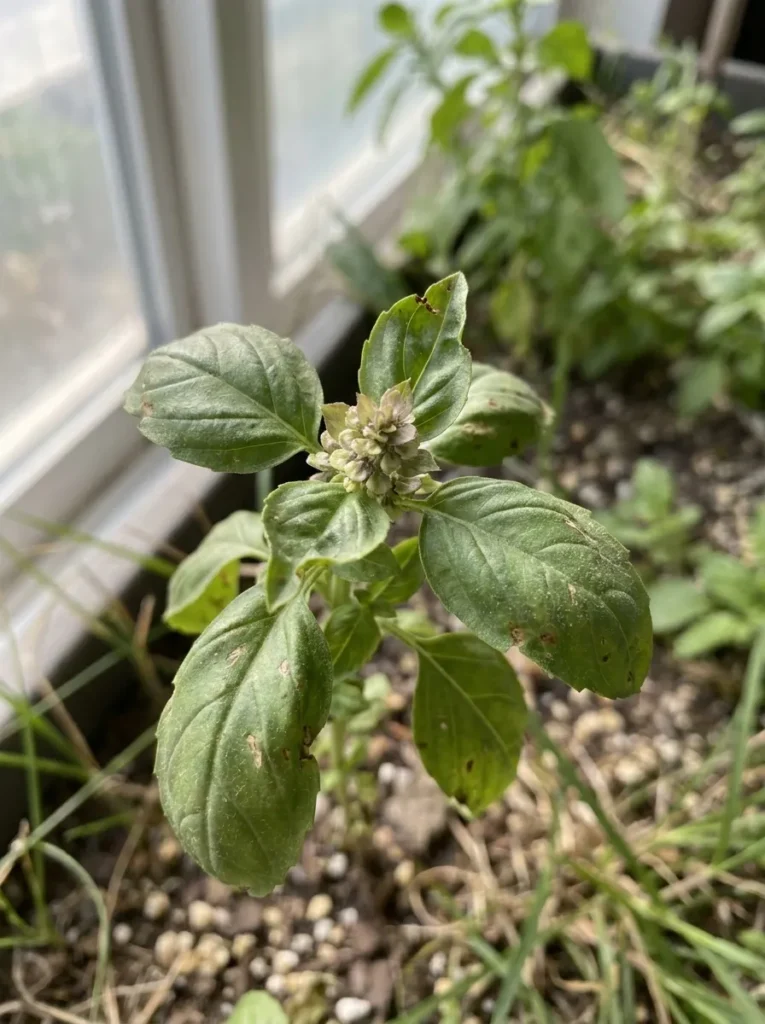
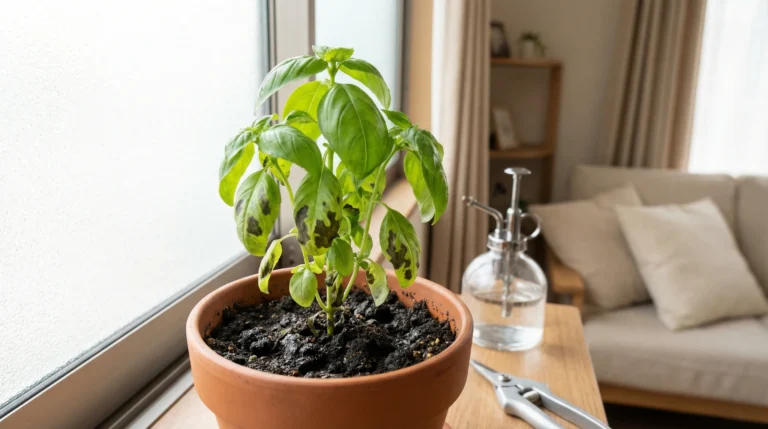
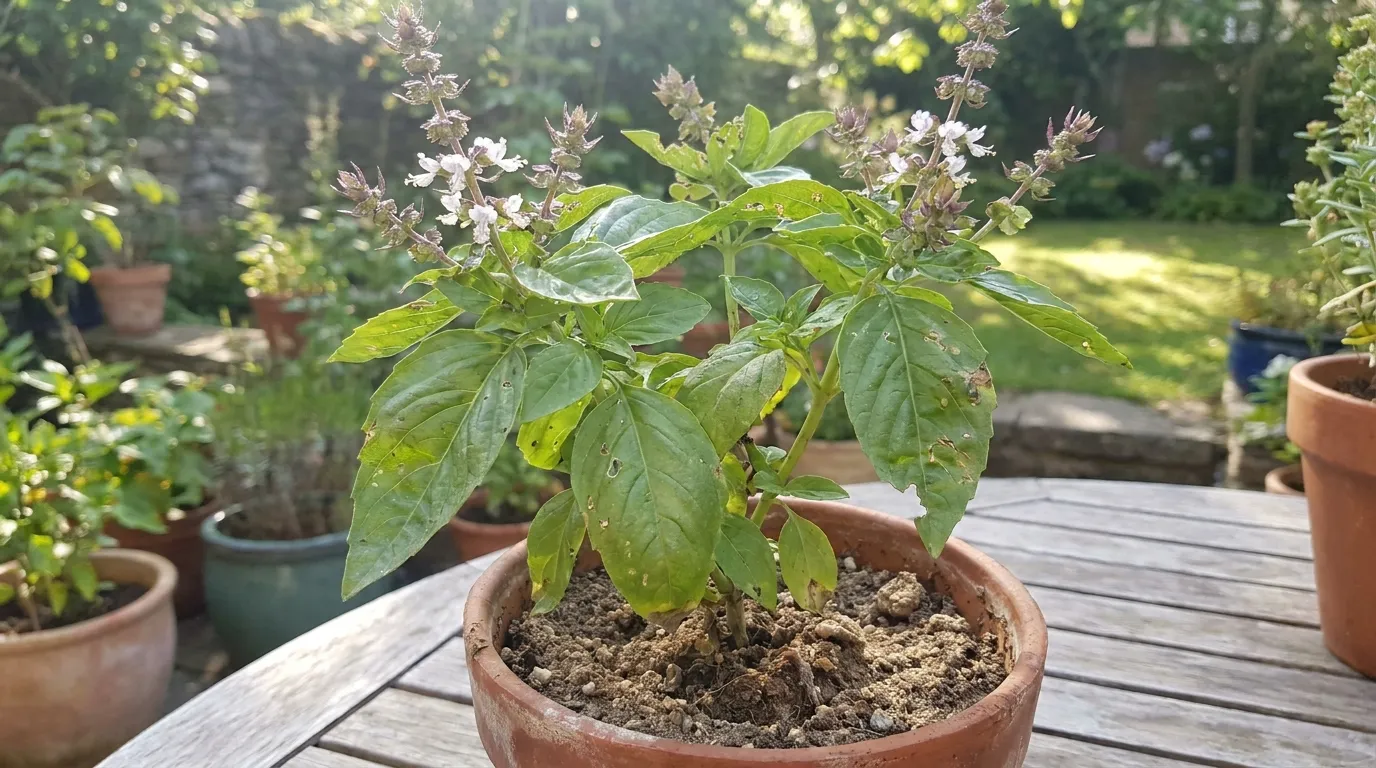
Basil bolting is the process where the plant stops producing leaves and begins growing flowers and seeds. This usually happens due to heat, long sunlight exposure, or plant maturity.
It’s part of the plant’s natural lifecycle. Once basil senses stress or maturity, it focuses on reproduction instead of growth.
What changes when basil bolts?
- Leaves become smaller and tougher
- Flavor turns bitter
- Growth slows down
- Flowers appear at the top of stems
Bolting isn’t a disease; it’s simply the plant trying to complete its life cycle.
Why Flowering Changes the Plant’s Priority
To prevent this shift, it’s important to understand the key triggers behind it. Once basil starts forming flowers, its internal priority shifts.
Instead of producing new leaves, the plant begins directing energy toward seed production.
That’s why you’ll notice:
- slower leaf growth
- tougher texture
- reduced aroma
This shift cannot be fully reversed in a mature plant, but early action can slow it down significantly.
Why Basil Bolts
Now that you understand what bolting is, the next step is identifying exactly why it happens.
1. Heat Stress
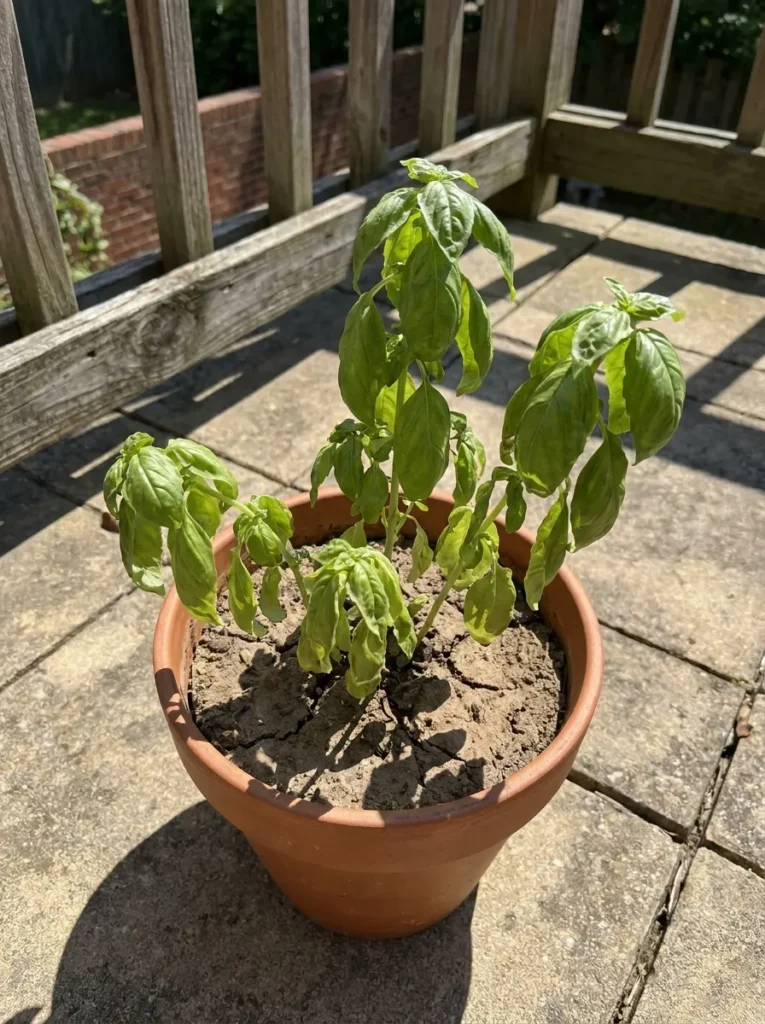
When temperatures stay above 30°C (86°F), basil starts to feel stressed.
It interprets this as a sign that conditions may soon become too harsh.
As a result, basil shifts energy toward producing flowers and seeds quickly. This is especially common during peak summer or in warm climates where heat builds up throughout the day.
2. Long Daylight (Photoperiod Response)
Basil is sensitive to how many hours of light it receives daily. Longer daylight hours, especially in late spring and summer, trigger hormonal changes inside the plant.
These changes push basil into its reproductive phase. Even if the plant looks healthy, extended sunlight alone can cause early flowering.
3. Irregular Watering
Inconsistent watering stresses basil more than most people realize. When the soil dries out too much, the plant experiences drought stress and reacts by speeding up its life cycle.
On the other hand, overwatering can damage roots and reduce oxygen availability. Both extremes signal the plant to stop leaf production and start flowering.
If you’re unsure how often to water herbs properly, this guide breaks it down step by step.
4. Lack of Pruning or Harvesting
Basil actually thrives when harvested regularly. If you leave the plant untouched, it continues growing taller and eventually reaches maturity faster.
Once mature, it naturally begins to produce flowers. Regular pruning interrupts this process and keeps the plant focused on producing new leaves.
5. Nutrient Imbalance
Basil requires balanced nutrients, especially nitrogen, for healthy leaf growth. When nitrogen levels are low, the plant cannot sustain strong leafy development.
At this stage, it diverts energy into flowering instead. Too much phosphorus can also encourage blooming, which accelerates bolting.
Choosing the right nutrients can prevent many growth issues. Here’s a simple guide to selecting the best fertilizer for indoor herbs.
6. Plant Age and Natural Lifecycle
Even in perfect conditions, basil will eventually bolt because it is an annual plant. As it reaches the later stages of its lifecycle, flowering becomes inevitable.
This is why older basil plants are more prone to bolting than younger ones, even if you care for them properly.
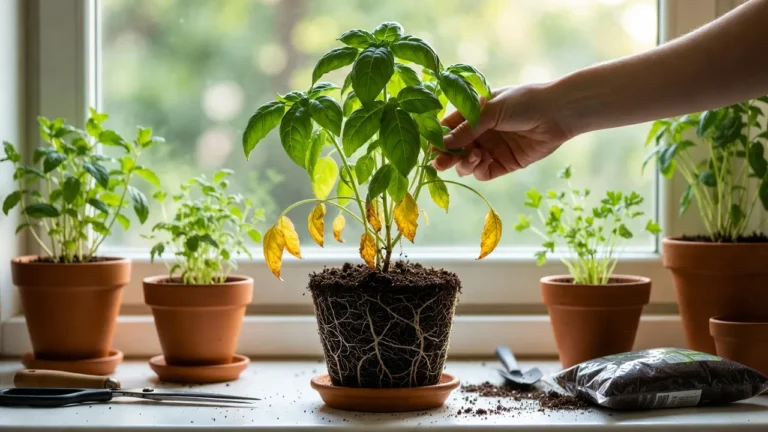
7. Root Stress (Pot Size & Crowding)
If basil roots become crowded in a small pot, the plant experiences restricted growth. Limited root space reduces nutrient and water absorption.
This stress signals the plant to reproduce quickly before resources run out. Repotting into a larger container can delay this process.
Using the right container size also plays a key role. You can explore the best containers for indoor herbs here.
8. Sudden Environmental Changes
Abrupt changes in temperature, light exposure, or watering routine can shock the plant. Basil is sensitive to fluctuations and prefers stable conditions.
Even moving a plant from indoors to outdoors too quickly can trigger bolting due to stress.
How to Stop Basil from Flowering (Step-by-Step)
The good news is that in most cases, you can slow or delay bolting with a few simple changes.
Step 1: Pinch Off Flower Buds
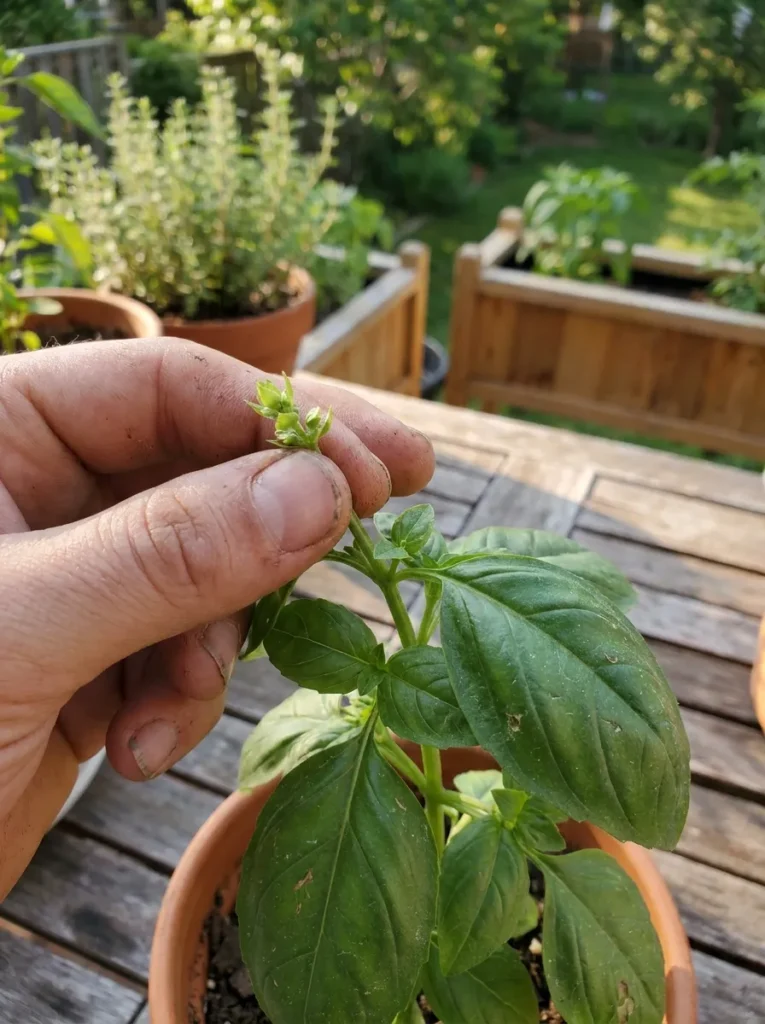
Remove flower buds as soon as you notice them forming at the top of the stems. These buds are the plant’s first signal that it’s entering the flowering stage, so acting early is important.
Use your fingers or clean pruning scissors to cut just above a leaf node (the point where two leaves grow). This encourages the plant to redirect its energy into growing new shoots instead of flowers, making it fuller and bushier over time.
Step 2: Harvest Regularly
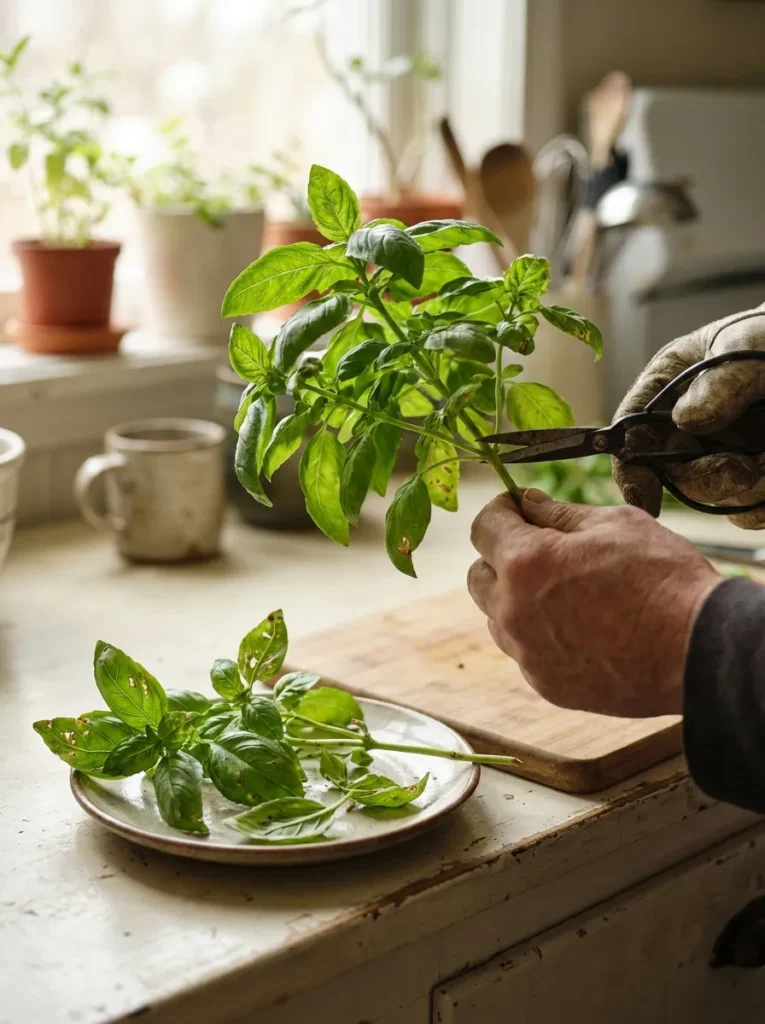
Frequent harvesting is one of the easiest ways to prevent basil from bolting. When you trim the plant every 5–7 days, you interrupt its natural growth cycle and keep it focused on producing leaves.
Always harvest from the top rather than picking individual leaves from the bottom. This promotes branching, helps the plant grow wider instead of taller, and delays maturity, which is when flowering typically begins.
Step 3: Provide Shade in Heat
Basil thrives in sunlight, but too much intense afternoon heat can trigger stress and lead to early flowering. If your plant is exposed to harsh midday sun, it will try to reproduce quickly as a survival response.
To prevent this, place basil where it gets morning sunlight and light shade in the afternoon. You can also use a shade cloth or move potted plants to a cooler spot during peak heat hours, especially in summer.
Step 4: Maintain Consistent Watering
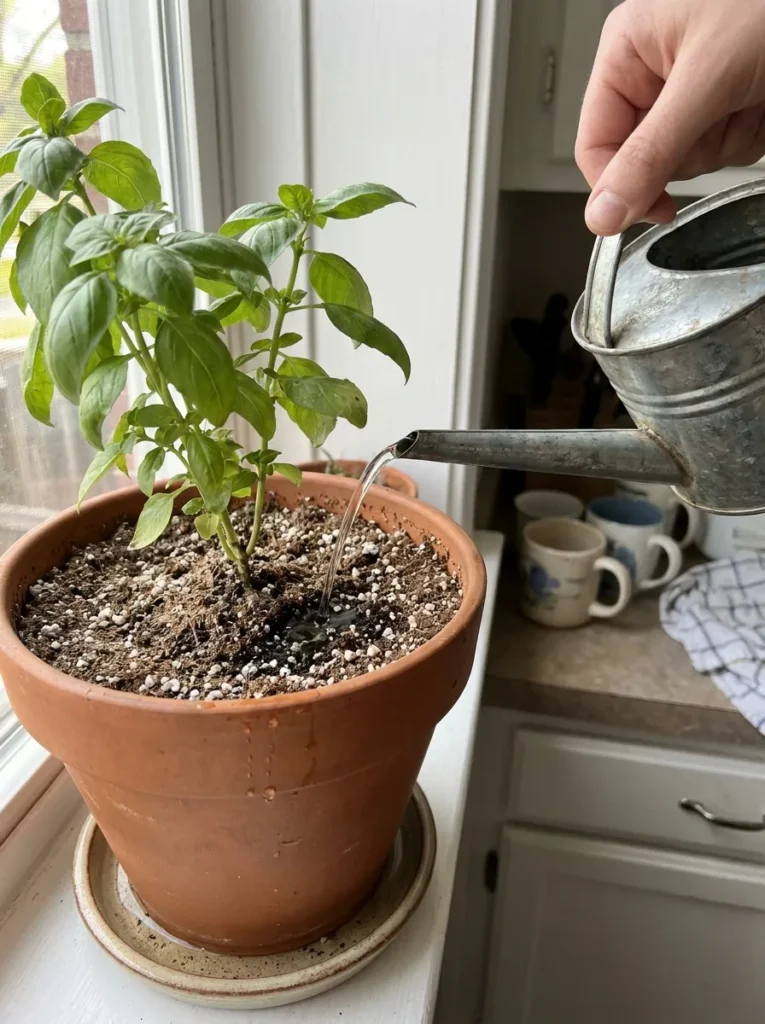
Basil prefers evenly moist soil, and fluctuations in watering can stress the plant. If the soil dries out too much, the plant reacts by speeding up its lifecycle and producing flowers.
Water your basil regularly so the soil stays slightly damp but not soggy. A good routine is to check the top inch of soil if it feels dry, it’s time to water. Consistency is key to keeping the plant stable and productive.
Step 5: Use Nitrogen-Rich Fertilizer
Nitrogen plays a major role in leaf development. When basil doesn’t get enough of it, the plant slows leaf production and shifts toward flowering instead.
Feed your basil with a light dose of nitrogen-rich fertilizer every few weeks. This keeps the plant focused on producing lush, flavorful leaves instead of flowers. Avoid over-fertilizing, as too much can harm the plant.
When these steps are combined consistently, basil stays in its leafy growth phase much longer.
Causes vs Fixes
Here’s a quick reference to match common problems with the right solution:
Problem | What’s Happening | What to Do |
|---|---|---|
Heat stress | Plant rushing to reproduce | Add shade, water more |
Flower buds forming | Bolting started | Pinch immediately |
Bitter leaves | Energy shifted to flowers | Cut back plant |
Slow growth | Nutrient imbalance | Add nitrogen fertilizer |
Dry soil | Stress response | Improve watering routine |
Decision Guide: Fix It or Replace It?
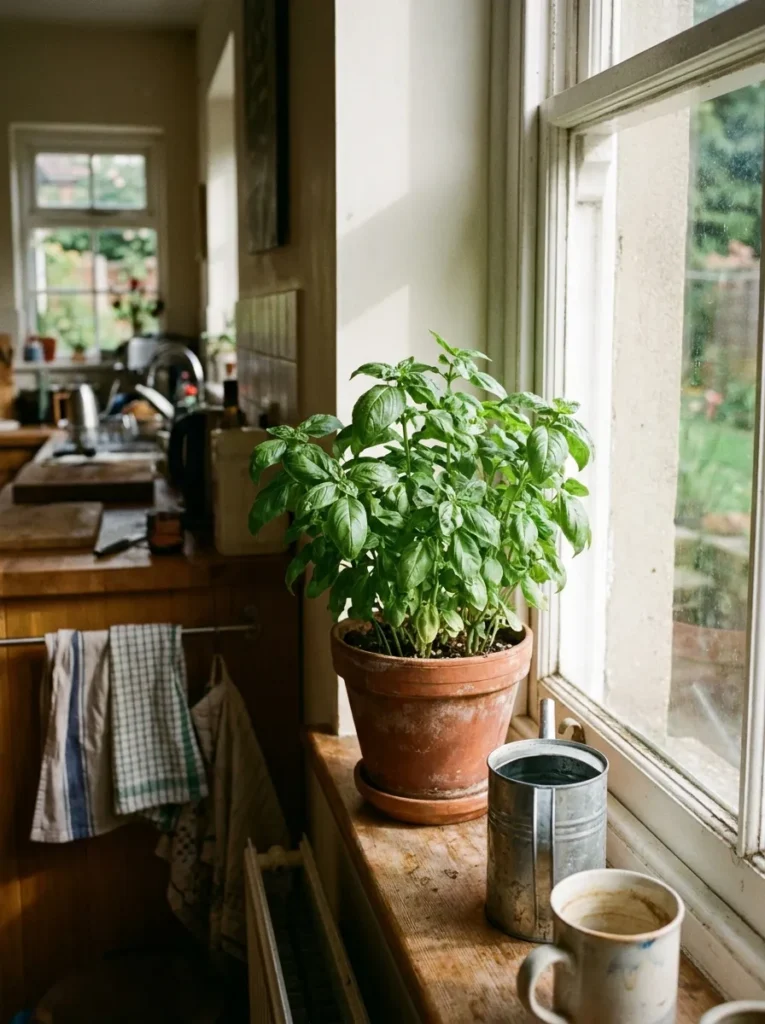
Even with the right care, not every plant can be saved. Use this quick guide to decide your next step:
Fix the plant if:
- Only small buds are present
- Leaves are still healthy
- Plant is not woody
Replace or replant if:
- Flowers are fully developed
- Leaves are very bitter
- Growth has stopped
Planting new basil every few weeks ensures continuous supply.
Why Replanting Is Sometimes the Better Choice
Once a basil plant is fully matured and flowering heavily, recovery becomes limited. At this stage, starting a new plant is often more effective than trying to reverse the process.
Growing basil in cycles ensures a continuous supply of fresh leaves.
Indoor vs Outdoor Basil: Key Differences
Growing conditions also play a major role in how quickly basil bolts.
Indoor Basil
- Less exposure to heat stress
- Slower bolting
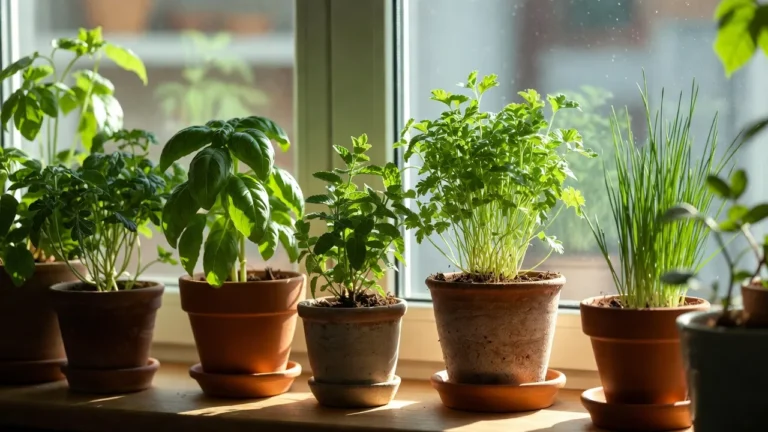
- Needs strong sunlight
Outdoor Basil
- Faster growth
- Higher bolting risk
- Requires active care
Climate Matters More Than You Think
Beyond location, temperature patterns directly affect how your basil behaves.
Hot Climates
Bolting happens faster due to heat and intense sunlight. Extra care like shading and watering is essential.
Mild Climates
Basil grows longer without bolting. Conditions are naturally more stable.
Why Stable Conditions Make the Biggest Difference
Basil responds best to consistency. Frequent changes in temperature, light, or watering increase stress levels.
A stable environment helps the plant remain in its growth phase longer and delays flowering naturally.
Tools & Techniques That Help
Along with good habits, a few simple tools can make basil care easier and more effective.
Tools
- Pruning scissors
- Watering can
- Shade cloth
- Organic fertilizer
Techniques
- Pinching soft tips
- Regular harvesting
- Companion planting
Common Mistakes to Avoid
Even small mistakes can speed up bolting, so it’s important to watch for these:
- Ignoring early flower buds
- Overwatering or underwatering
- Not pruning regularly
- Exposing plant to extreme heat
- Cutting too aggressively
Can You Use Basil After It Flowers?
Yes, but flavor changes.
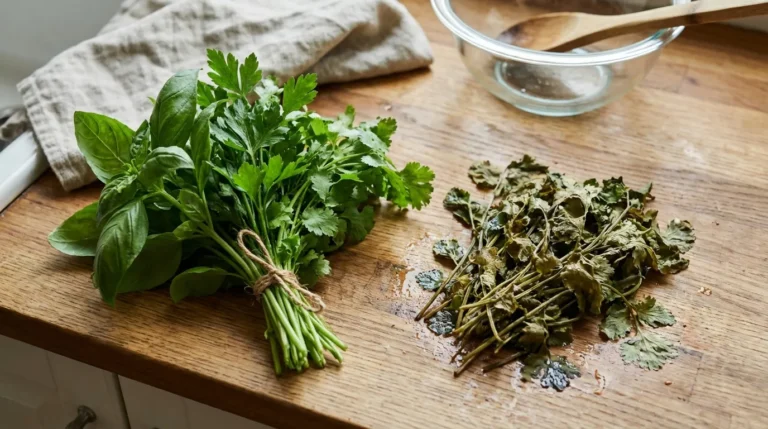
Leaves become slightly bitter and less aromatic. They still work well in cooking but are less ideal for fresh use.
Long-Term Prevention Tips
Once you’ve controlled bolting, the next step is preventing it from happening again.
- Start planting early
- Keep plants trimmed
- Choose resistant varieties
- Practice succession planting
Expert Tips for Better Growth
Beyond basic care, small adjustments in how you handle your plant can significantly improve growth.
- Cut above leaf nodes
- Keep plants bushy
- Rotate for even sunlight
- Monitor daily for buds
What Non-Bolting Basil Typically Looks Like
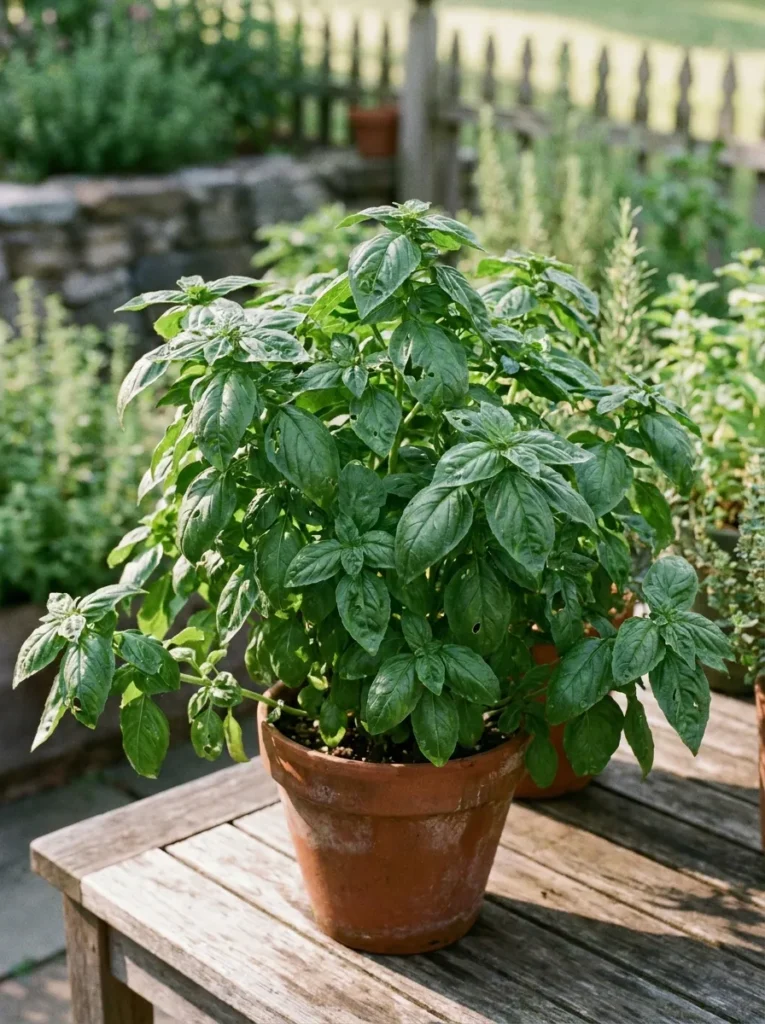
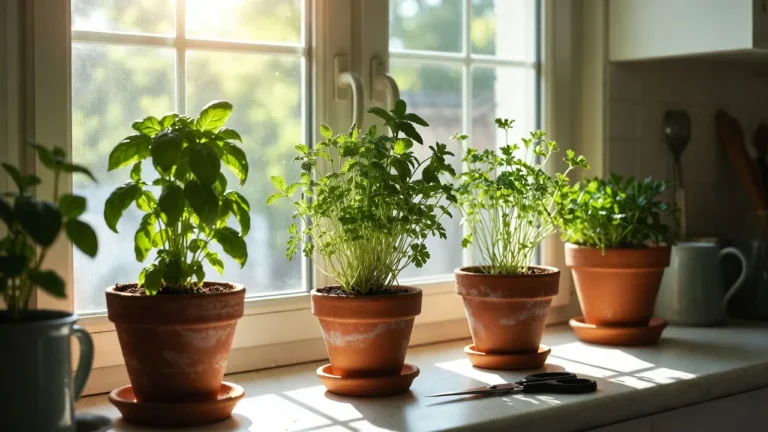
A basil plant that hasn’t started bolting shows:
- steady upward and outward growth
- soft, flexible stems
- larger, tender leaves
- no bud formation at the tips
Once buds begin forming, it’s a sign the plant is transitioning and that’s the point where action matters most.
FAQs
Why is my basil flowering so fast?
Heat, long daylight, or lack of pruning usually causes fast bolting.
How do I stop basil from bolting immediately?
Remove buds, prune regularly, and reduce heat stress.
Can basil recover after bolting?
Partially, but severe bolting often requires replanting.
Does cutting basil prevent flowering?
Yes, regular cutting delays the flowering process.
How often should I prune basil?
Every 5–7 days for best results.
What keeps basil bushy?
Frequent pruning and proper care keep it bushy.
Conclusion
Basil bolting might feel like your plant is failing, but in reality, it’s simply following its natural lifecycle. The key difference between a struggling basil plant and a thriving one comes down to how early you recognize the signs and how consistently you respond.
If you remember one thing, let it be this: basil needs regular attention, not perfect conditions. Small actions like pinching buds early, harvesting often, and keeping watering consistent can dramatically extend your plant’s life.

Hi, I’m Rimsha, founder of Urban Bloomer 🌱
I grow herbs and plants in a small apartment and share what actually works in limited indoor spaces. Over the past few years, I’ve tested different setups, from lighting and soil to watering routines, to find simple methods that make indoor gardening easier.
Here, you’ll find practical, beginner-friendly advice based on real experience, not complicated gardening systems.