Understanding NPK for Indoor Herbs: What Fertilizer Numbers Mean for Healthy Plant Growth
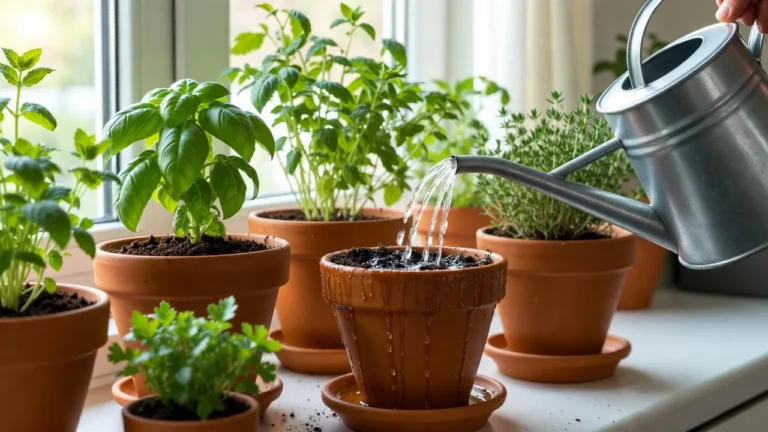
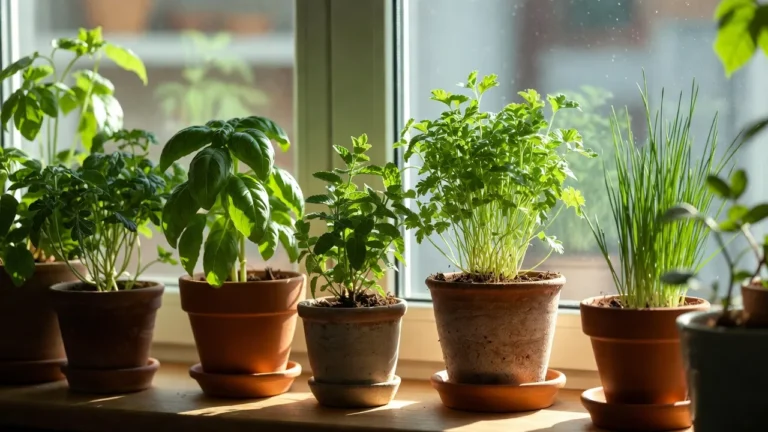
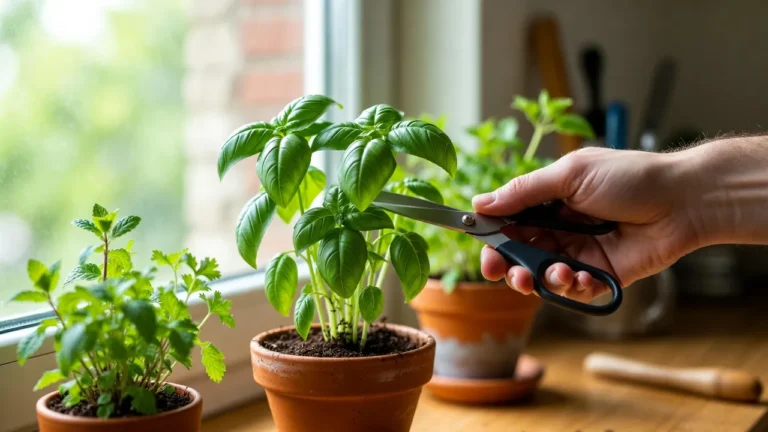
Growing herbs indoors is one of the easiest ways to keep fresh ingredients close to your kitchen. Plants like basil, parsley, cilantro, mint, and chives adapt well to containers and can thrive in apartments, small homes, or window gardens.
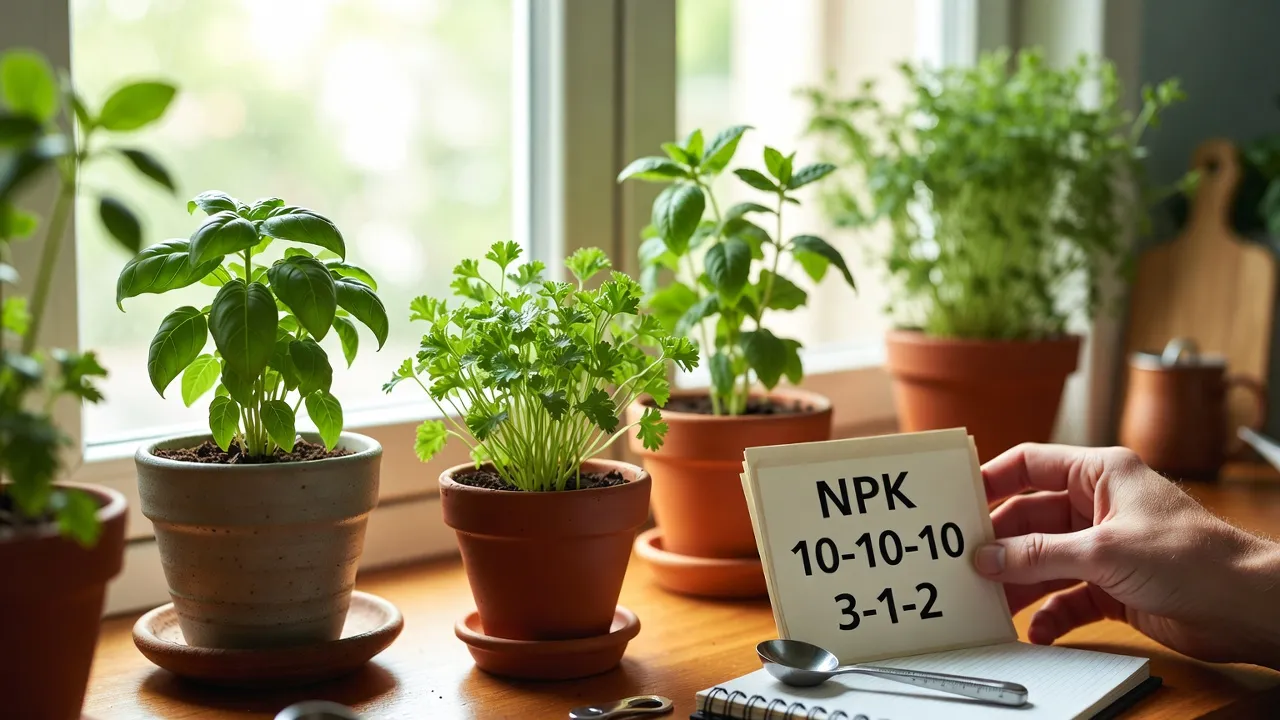
But when gardeners look at fertilizer labels, they often see numbers such as 5-5-5, 10-10-10, or 3-1-2. These numbers may seem confusing at first.
Those numbers represent the NPK ratio, which describes the three primary nutrients plants use for growth. Understanding how these nutrients work helps you choose fertilizers wisely and support strong indoor herb plants.
If you want to learn how to apply fertilizer safely, see our guide on How to Fertilize Indoor Herbs the Right Way.
This guide explains NPK in simple terms, how fertilizer numbers work, and how nutrient balance influences leaf growth, roots, and the natural aroma of herbs.
What NPK Means on Fertilizer Labels
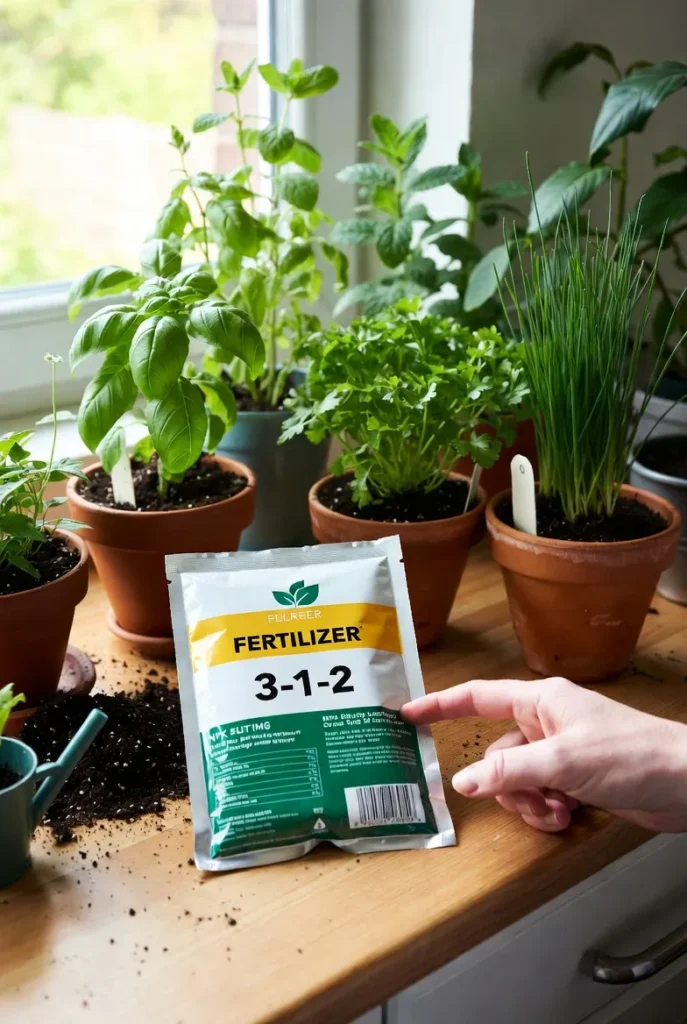
NPK stands for nitrogen (N), phosphorus (P), and potassium (K). These are the three main nutrients plants require for normal development.
When you see three numbers on a fertilizer package, they always represent these nutrients in the same order.
Example:
Fertilizer Label | Nitrogen | Phosphorus | Potassium |
|---|---|---|---|
10-10-10 | 10% | 10% | 10% |
5-5-5 | 5% | 5% | 5% |
3-1-2 | 3% | 1% | 2% |
Each number shows the percentage of that nutrient inside the fertilizer formula.
For instance, a fertilizer labeled 10-10-10 contains equal proportions of all three nutrients, while a 3-1-2 formula contains more nitrogen than the other nutrients.
These ratios help gardeners understand what type of plant growth a fertilizer is designed to support.
The Role of Plant Nutrients in Herb Growth
Indoor herbs rely on nutrients to build leaves, maintain roots, and carry out metabolic processes.
Plants absorb these nutrients through their roots, which pull minerals from the surrounding soil.
Once inside the plant, these nutrients help power biological functions such as:
- photosynthesis
- energy transfer
- enzyme activity
- water regulation
When nutrients remain balanced, herbs can grow strong stems, produce fresh leaves, and develop the rich aroma that makes them valuable in cooking.
To better understand how NPK works, it helps to examine each nutrient individually and see how it influences plant development.
Nitrogen: The Nutrient Behind Leaf Growth
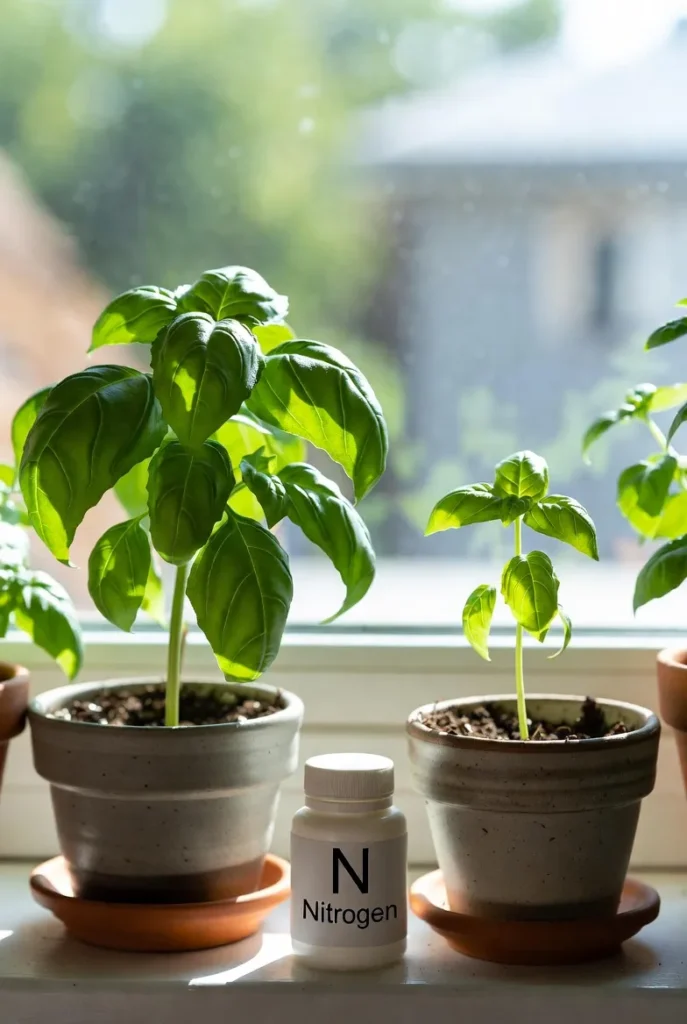
Nitrogen is widely considered the most important nutrient for leafy plants.
Herbs like basil, parsley, and cilantro depend heavily on nitrogen because the edible part of these plants is their foliage.
Nitrogen helps plants produce chlorophyll, the green pigment responsible for capturing light energy during photosynthesis.
When herbs receive adequate nitrogen, they often display:
- vibrant green leaves
- active leaf production
- fuller plant structure
Plants lacking nitrogen often develop pale leaves and slower growth.
Because of this relationship with foliage growth, nitrogen is frequently associated with leaf-focused plants such as culinary herbs.
Phosphorus: How It Supports Root Growth
Phosphorus contributes to the development and strength of plant roots.
Inside the plant, phosphorus plays a role in energy transfer molecules that help move energy between cells. This energy supports various biological processes including growth and nutrient transport.
Healthy phosphorus levels often support:
- stable root systems
- improved nutrient uptake
- stronger plant structure
Indoor herbs benefit from phosphorus because strong roots allow plants to access water and minerals more efficiently within container soil.
Potassium: Strengthening Plant Health
Potassium plays a key role in regulating plant health and resilience.
It helps plants manage water movement within their tissues and supports many enzyme reactions that influence plant metabolism.
Plants receiving sufficient potassium may show:
- stronger stems
- improved tolerance to environmental stress
- better overall plant stability
For herbs growing indoors, potassium helps maintain healthy growth when light levels or indoor temperatures fluctuate.
How Fertilizer Numbers Reflect Nutrient Balance
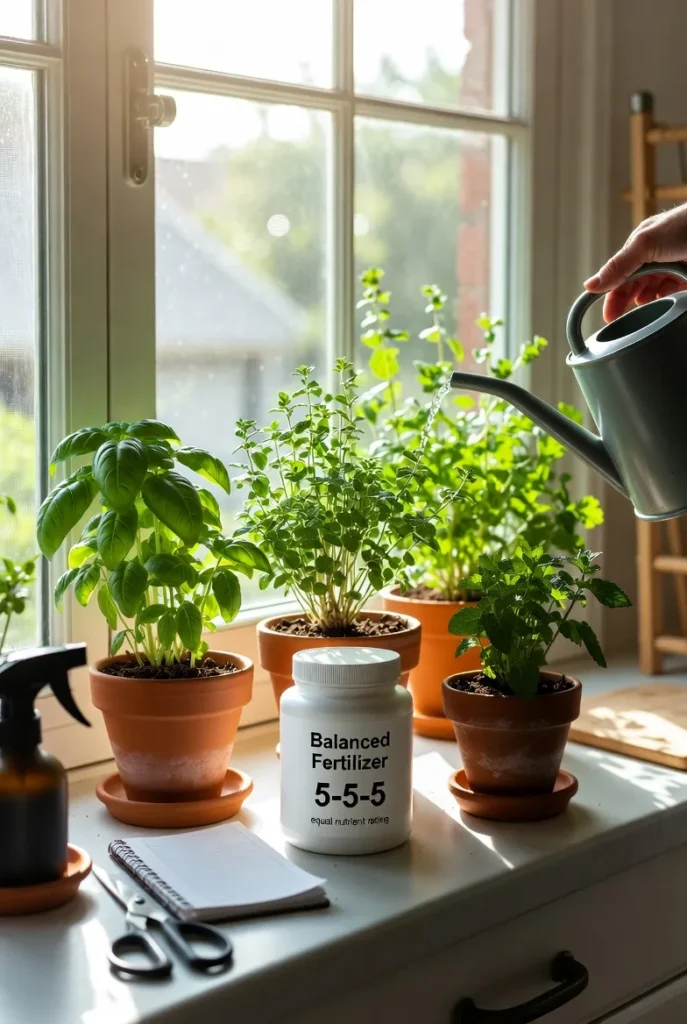
The three numbers on fertilizer packaging help gardeners quickly identify nutrient concentration.
These numbers describe nutrient balance, not fertilizer quality.
A balanced fertilizer contains similar levels of all three nutrients. A specialized fertilizer may emphasize one nutrient more than the others.
Here are some common patterns.
Ratio | Nutrient Focus | Typical Effect |
|---|---|---|
5-5-5 | Balanced nutrients | General plant growth |
10-10-10 | Strong balanced formula | Supports vigorous plants |
3-1-2 | Nitrogen-focused | Encourages leaf production |
Understanding this ratio allows gardeners to select fertilizers that match plant growth goals.
While each nutrient performs specific functions, plant growth depends on how these nutrients interact inside the plant.
How Nitrogen, Phosphorus, and Potassium Work Together
Plants rarely depend on a single nutrient alone. Instead, plant health results from nutrient balance.
Nitrogen helps create leaves, phosphorus supports roots, and potassium strengthens plant systems. When these nutrients work together, plants can perform essential biological processes efficiently.
For indoor herbs, balanced nutrition helps maintain:
- steady leaf growth
- strong plant structure
- healthy metabolism
- consistent aroma production
An imbalance between these nutrients can sometimes lead to irregular plant development.
How NPK Ratios Influence Herb Aroma and Flavor
Herbs are valued not only for their leaves but also for their natural aroma and essential oils.
These aromatic compounds are created through complex plant metabolic pathways.
When plants receive balanced nutrients and adequate light, they can allocate energy toward producing these flavor compounds.
However, excessively high nitrogen levels may sometimes produce very rapid leaf growth with milder aroma.
For this reason, balanced nutrient ratios are often preferred for culinary herbs grown indoors.
Decoding Fertilizer Labels Step by Step
If fertilizer labels feel confusing, the process becomes easier when you follow a simple method.
Step 1: Identify the Three Numbers
Look for the NPK ratio on the package. It typically appears on the front label.
Example: 5-5-5
Step 2: Understand the Order
The numbers always represent nutrients in this order:
Nitrogen – Phosphorus – Potassium
Step 3: Compare Ratios
Balanced fertilizers contain similar numbers, while specialized formulas may emphasize one nutrient.
Step 4: Match the Ratio to Plant Type
Leafy plants such as herbs generally respond well to formulas that provide steady nitrogen without overwhelming other nutrients.
Following this process helps gardeners interpret fertilizer labels quickly.
The Science of Plant Nutrient Uptake
Plants absorb nutrients through microscopic root structures called root hairs.
These root hairs increase the surface area of the root system, allowing plants to pull dissolved minerals from surrounding soil.
Once absorbed, nutrients move through the plant’s vascular system and support processes such as:
- leaf formation
- enzyme reactions
- cell development
- metabolic activity
The efficiency of nutrient uptake depends on several factors, including soil structure, moisture levels, and root health.
Healthy roots allow herbs to absorb nutrients more effectively.
The Royal Horticultural Society also explains how plant roots absorb dissolved nutrients from soil water and transport them throughout the plant.
Signs of Nutrient Deficiency in Indoor Herbs
Plants sometimes display visible signals when nutrient levels become unbalanced.
These symptoms can help gardeners identify potential problems.
Some common signs include:
- pale or yellow leaves
- reduced leaf size
- slower plant growth
- thin stems
However, these symptoms may also appear when plants receive insufficient light or inconsistent watering.
Evaluating the entire growing environment helps determine whether nutrients are involved.
If your herbs begin showing unusual yellowing or leaf damage, you may also want to check for pests. Our guide on Common Indoor Herb Pests and How to Remove Them Naturally explains how to identify common problems.
How Soil Affects Nutrient Availability for Indoor Herbs
Indoor herbs grow in potting soil or potting mix, which is specially designed for container plants.
Unlike garden soil, potting mixes are formulated to provide good drainage and oxygen around roots.
Key components often include:
- peat moss or coconut coir
- perlite or vermiculite
- composted organic materials
These ingredients influence soil structure and nutrient availability.
Soil chemistry also affects how easily plants absorb nutrients like nitrogen, phosphorus, and potassium.
Choosing the right potting mix also plays a major role in nutrient absorption. You can learn more in our guide on Choosing the Best Soil for Indoor Herbs.
Environmental Factors That Influence Nutrient Use
Beyond fertilizer itself, several environmental conditions influence how efficiently plants use these nutrients.
Light Availability
Herbs grown in bright light often grow faster and may use nutrients more actively.
Temperature
Warmer indoor environments can increase metabolic activity in plants.
Soil Moisture
Proper moisture levels help dissolve nutrients so roots can absorb them.
Airflow
Good airflow helps maintain plant health and reduces stress.
Understanding these factors helps gardeners interpret how herbs respond to available nutrients.
Proper sunlight is also essential for nutrient use. If your herbs struggle indoors, read Where to Place Indoor Herbs for Maximum Sunlight.
Practical Example: Understanding a Fertilizer Label
Imagine you see a fertilizer labeled 3-1-2.
This means the formula contains:
- three parts nitrogen
- one part phosphorus
- two parts potassium
Because nitrogen is slightly higher than the other nutrients, this formula supports leafy growth while still maintaining balanced plant nutrition.
This type of ratio is often associated with plants grown primarily for their foliage.
Why Understanding NPK Matters for Indoor Herb Growers
Many new gardeners choose fertilizers without understanding the numbers on the label.
Learning how NPK works allows you to:
- interpret fertilizer packaging confidently
- understand plant nutrient needs
- support healthier indoor herbs
Instead of guessing which fertilizer might work, gardeners can make informed choices based on nutrient balance.
This knowledge becomes especially valuable when caring for herbs that grow in containers inside homes.
FAQs
1. What does NPK mean in fertilizer?
NPK stands for nitrogen, phosphorus, and potassium. These three nutrients support plant growth by promoting leaf development, strengthening roots, and maintaining overall plant health.
2. Why are fertilizer numbers important?
Fertilizer numbers show the percentage of nitrogen, phosphorus, and potassium in a fertilizer formula. These numbers help gardeners understand the nutrient balance provided to plants.
3. Which nutrient helps herbs grow more leaves?
Nitrogen supports leaf growth by helping plants produce chlorophyll and carry out photosynthesis.
4. What does 5-5-5 fertilizer mean?
A 5-5-5 fertilizer contains equal percentages of nitrogen, phosphorus, and potassium, creating a balanced nutrient formula.
5. Can too much nitrogen affect herbs?
Yes. Excess nitrogen may cause rapid leaf growth and sometimes reduce the intensity of herb aroma.
6, Are nitrogen, phosphorus, and potassium the only nutrients plants need?
No. Plants also require smaller amounts of micronutrients such as magnesium, calcium, and iron. However, NPK nutrients are needed in the largest quantities.
Why do indoor plants depend on fertilizer labels?
Indoor plants rely on gardeners to supply nutrients. Understanding fertilizer labels helps ensure plants receive balanced nutrition.
8. Do herbs respond differently to nutrient ratios than flowering plants?
Yes. Herbs grown for their leaves often benefit from steady nitrogen availability, while flowering plants may require different nutrient balances.
Conclusion
At first glance, these numbers may seem confusing, but they simply represent the three nutrients plants depend on most: nitrogen, phosphorus, and potassium.
Nitrogen supports leaf growth, phosphorus strengthens root systems, and potassium helps plants maintain overall health.
Understanding these nutrients makes fertilizer labels much easier to interpret. It also helps indoor gardeners choose fertilizers that match the needs of leafy herbs such as basil, mint, parsley, and cilantro.
When nutrient balance, soil conditions, and light all work together, indoor herbs can continue producing fresh leaves and strong aroma in even the smallest indoor gardens.
Once you understand fertilizer ratios, maintaining healthy plants becomes much easier when combined with proper watering, light, and harvesting practices.

Hi, I’m Rimsha, founder of Urban Bloomer 🌱
I grow herbs and plants in a small apartment and share what actually works in limited indoor spaces. Over the past few years, I’ve tested different setups, from lighting and soil to watering routines, to find simple methods that make indoor gardening easier.
Here, you’ll find practical, beginner-friendly advice based on real experience, not complicated gardening systems.