12 Common Pests in Indoor Herbs (How to Identify and Get Remove of Them Naturally)
You water your basil regularly.
Your mint sits near a bright window.
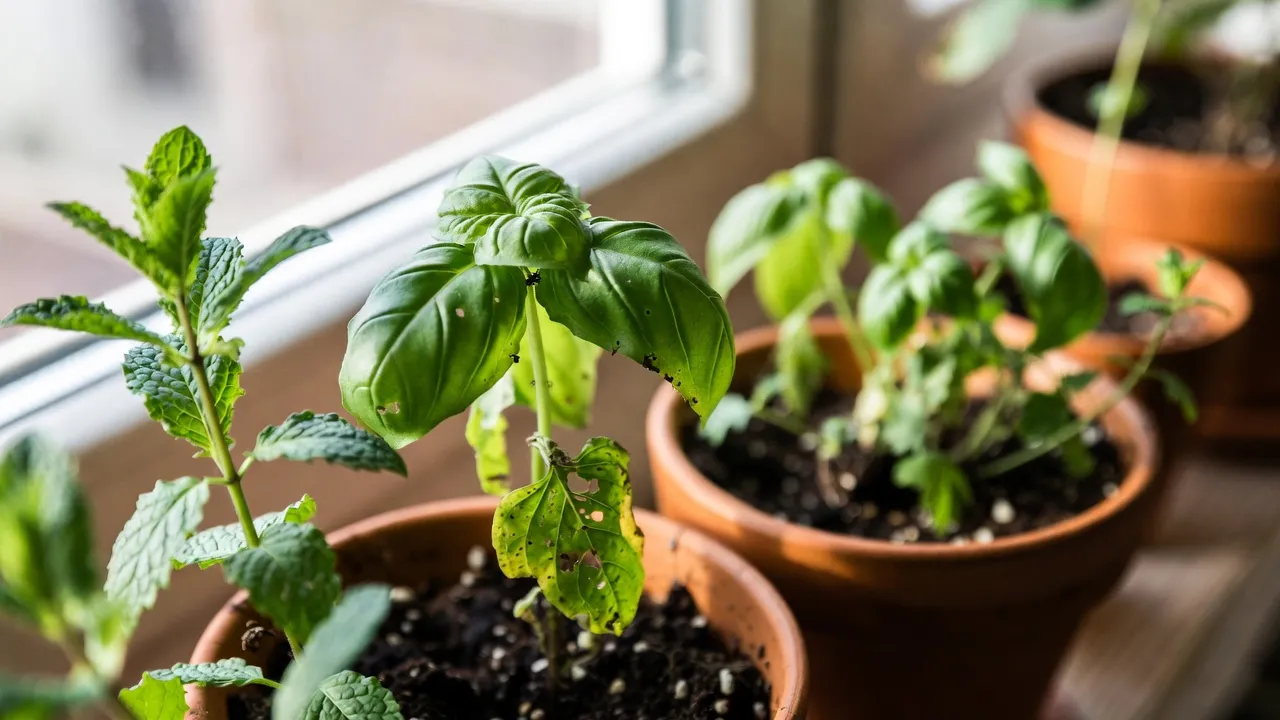
Everything looks healthy… until you notice tiny flies around the soil or small spots on the leaves.
Indoor herbs may seem protected from outdoor insects, but pests can still find their way inside. Many of these pests are extremely small and often go unnoticed until plant damage becomes visible.
They often arrive through potting soil, new plants, open windows, or even on gardening tools.
The good news is that most indoor herb pests are easy to control once you know what to look for.
This guide explains 12 common pests in indoor herbs, how to recognize them, and the safest ways to remove them without harming your edible plants.
Why Indoor Herbs Get Pests
Indoor plants live in a stable environment with warm temperatures and limited airflow. These conditions can unintentionally create the perfect place for pests to reproduce.
Common reasons pests appear include:
- Overwatering the soil
- Poor air circulation
- Bringing infested plants indoors
- Contaminated potting soil
- Crowded plant containers
Moist soil and warm indoor temperatures allow insects like fungus gnats and aphids to multiply quickly.
Understanding these causes makes it easier to prevent pest problems before they begin.
Why Pests Often Go Unnoticed at First
Most indoor pests don’t show up all at once.
They start in small numbers often just a few insects hidden under leaves or in the soil. At this stage, plants still look healthy, so nothing seems wrong.
Over time, they multiply quietly.
By the time you notice visible damage, the population has already grown.
That’s why early inspection matters more than treatment. Catching a problem early is usually simple. Waiting too long makes it harder to control.
Signs Your Indoor Herbs Have Pests
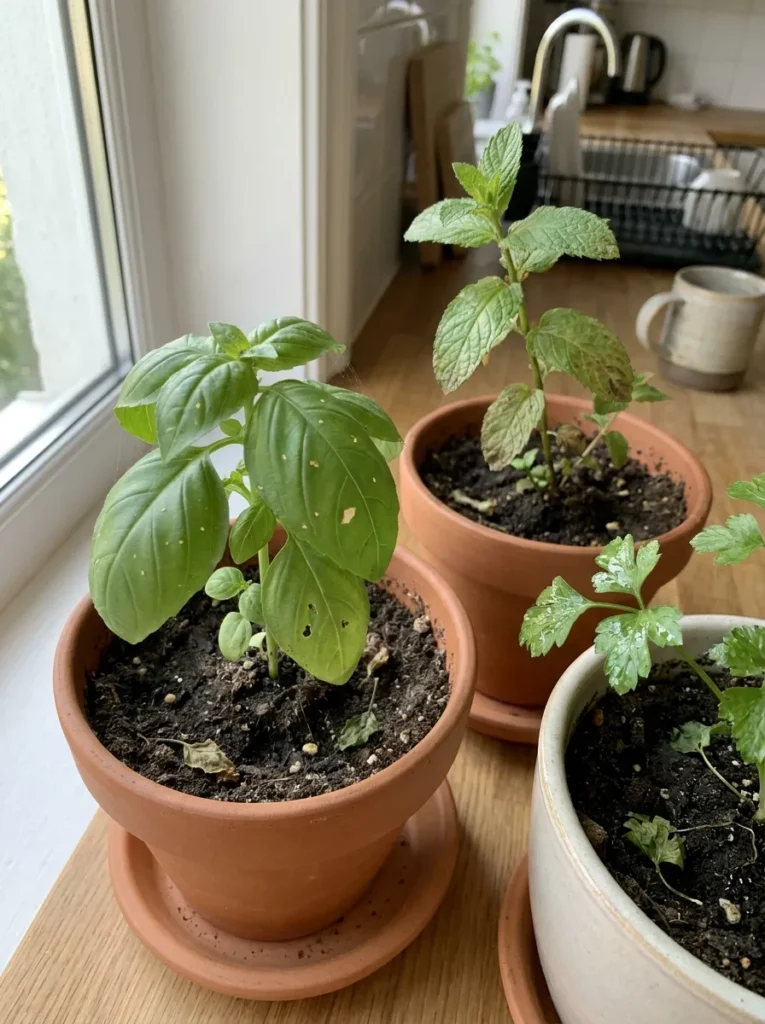
Pest infestations often begin subtly. Observing early warning signs can help you stop the problem before it spreads to other plants.
Look for these warning signs:
- Sticky residue on leaves
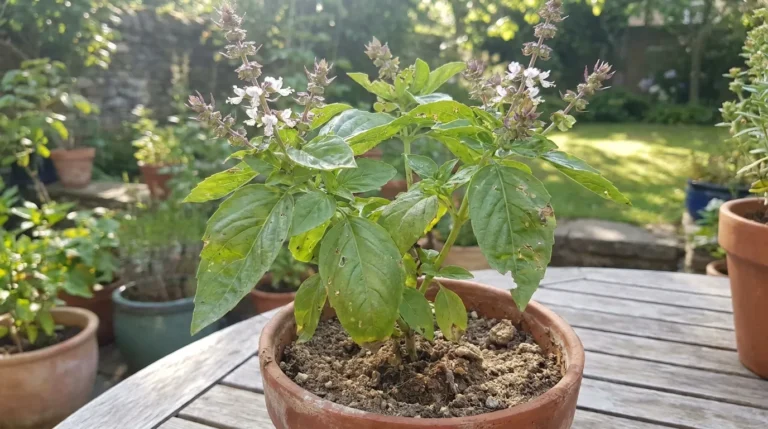
- Yellow or spotted foliage
- Tiny flying insects around the pot
- White cotton-like clusters on stems
- Webbing on leaves
- Holes in herb leaves
These symptoms often appear before the pests themselves become visible.
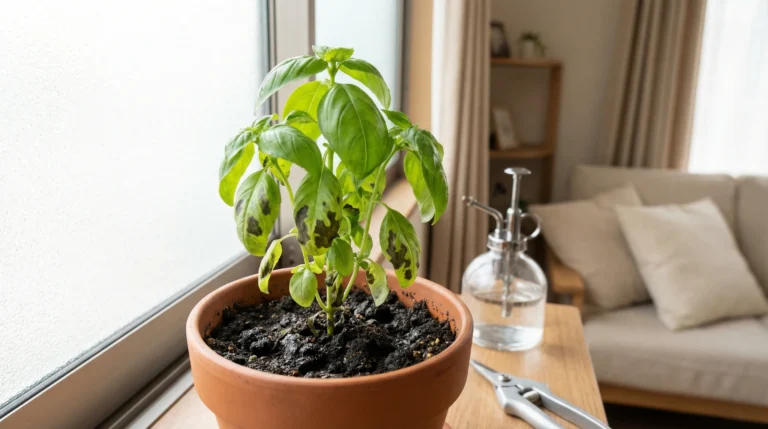
Pests can sometimes cause dark or black spots on leaves. This guide explains how to tell if the damage is from insects or disease.
Quick Identification Guide
The following table summarizes the most common indoor herb pests and where they typically appear on plants.
Pest | Common Sign | Where You’ll Find It |
|---|---|---|
Aphids | Sticky leaves | Underside of leaves |
Spider mites | Tiny webbing | Leaf surfaces |
Fungus gnats | Small flying insects | Around soil |
Whiteflies | Tiny white flies | Under leaves |
Thrips | Silvery leaf damage | Leaves |
Mealybugs | White cotton clusters | Stems and joints |
Scale insects | Brown bumps | Stems |
Leaf miners | Winding trails | Inside leaves |
Caterpillars | Large holes | Leaves |
Springtails | Jumping insects | Soil |
Root aphids | Weak plants | Roots |
Broad mites | Twisted growth | New leaves |
12 Common Pests in Indoor Herbs
Below are the most common pests that affect indoor herbs and how to manage them safely.
1. Aphids
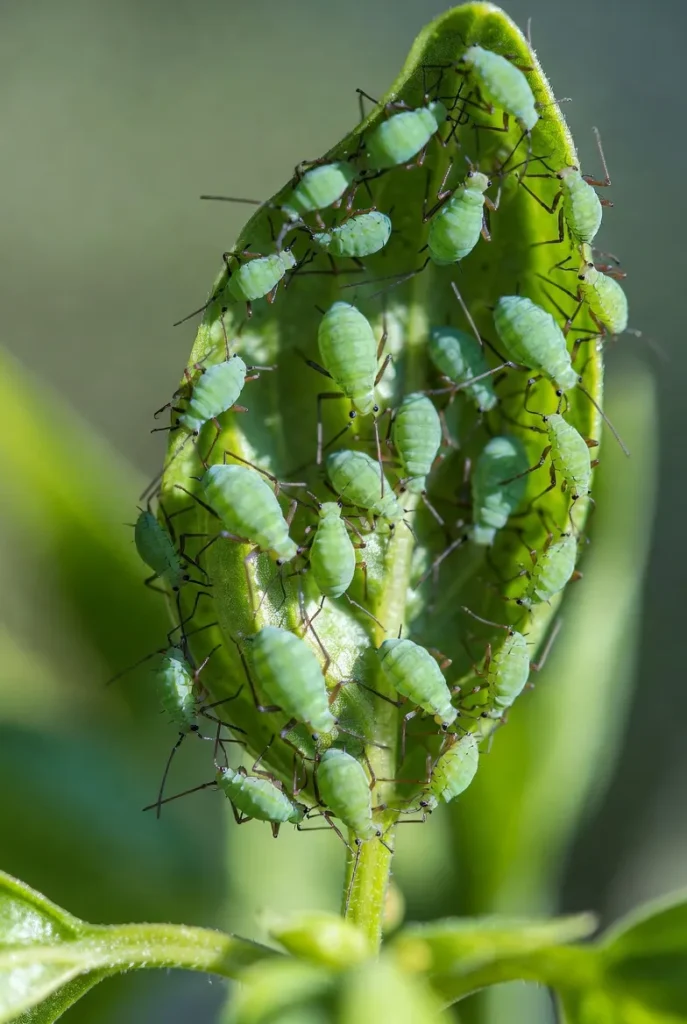
Aphids are small sap-sucking insects that commonly attack indoor herb plants.
These small insects feed by sucking sap from plant tissues, weakening the plant over time.
What they look like
Aphids are tiny insects that may appear green, black, yellow, or white. They often gather in clusters on leaf undersides or stems.
Signs on herbs
- Sticky leaves
- Curled foliage
- Slowed plant growth
The sticky residue they produce is called honeydew, which can also attract fungal growth.
How to remove aphids
- Rinse leaves with water
- Spray plants with neem oil
- Use insecticidal soap
Regular washing of leaves can keep aphid populations under control.
Why Sticky Leaves Shouldn’t Be Ignored
That sticky layer you sometimes feel on leaves isn’t harmless. It’s called honeydew, and it comes from sap-feeding insects like aphids and whiteflies.
Over time, it can lead to a secondary issue, a dark coating known as sooty mold.
Even if the plant still looks green, this buildup can block light from reaching the leaves. Cleaning the leaves early prevents this from becoming a bigger problem.
2. Spider Mites
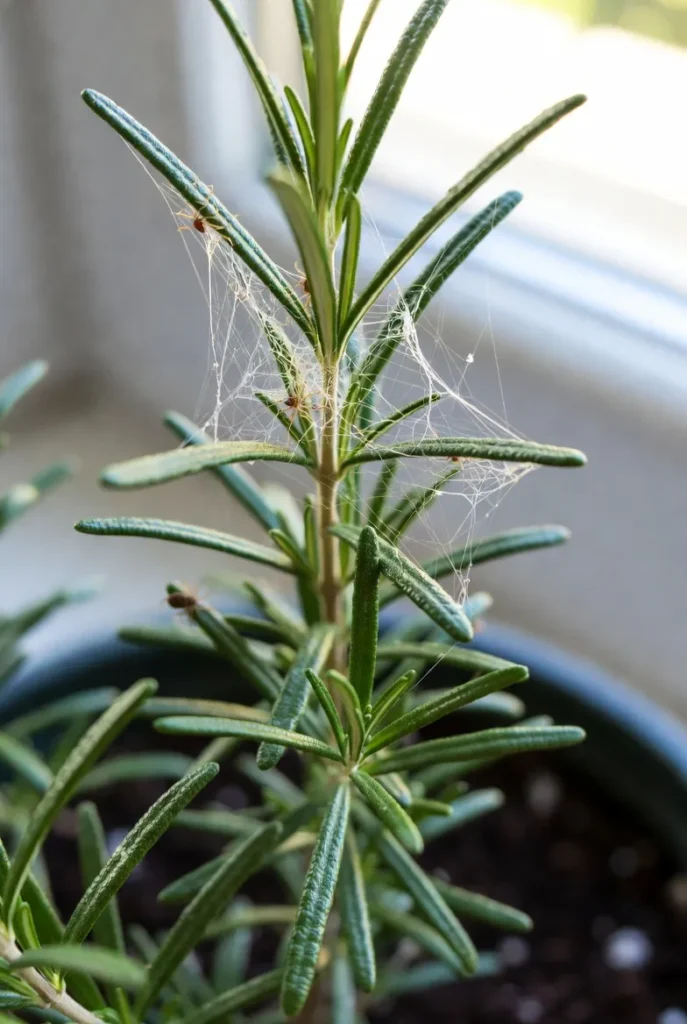
Spider mites are microscopic pests that thrive in dry indoor environments.
They are technically arachnids, related to spiders rather than insects.
Signs of spider mites
- Tiny yellow or white spots on leaves
- Fine webbing between stems
- Leaves turning pale or dry
They commonly attack herbs such as basil and rosemary.
Natural control methods
- Increase humidity around plants
- Rinse leaves regularly
- Apply neem oil spray
Spider mites reproduce quickly, so early treatment is important.
Regular monitoring helps prevent spider mite populations from spreading to nearby plants.
Why Dry Air Makes Spider Mites Worse
Spider mites thrive in dry indoor conditions.
In rooms with low humidity, they reproduce faster and spread more easily.
You might notice that infestations become more common:
- During winter heating
- In air-conditioned rooms
- Near dry airflow
Keeping the plant environment slightly balanced not overly dry can slow their spread.
3. Fungus Gnats
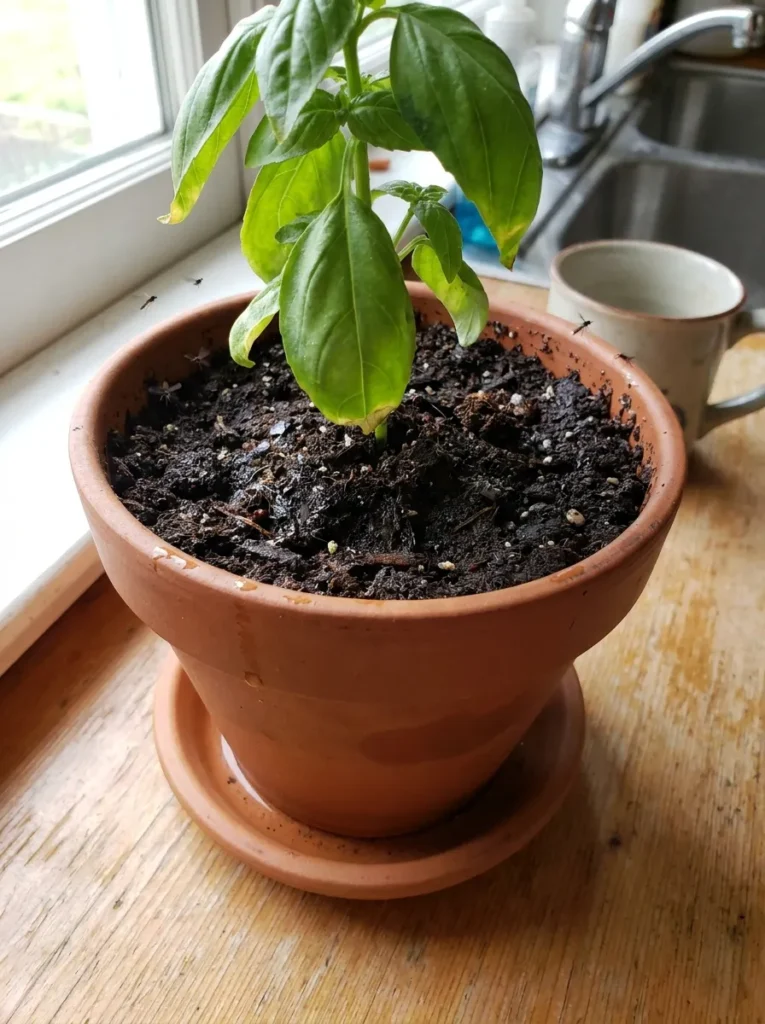
If you see small black flies hovering around your herb pots, you likely have fungus gnats.
These insects are attracted to wet soil.
Why fungus gnats appear
Fungus gnats lay eggs in moist potting mix. Their larvae live in the soil and feed on organic matter and plant roots.
Signs of infestation
- Small flies near soil
- Slow plant growth
- Weak or struggling seedlings
These insects are mostly a nuisance, but large populations can damage young roots.
How to remove fungus gnats
- Allow the soil to dry between watering
- Use sticky traps to capture adult flies
- Replace heavily infested soil
Proper watering habits are the best prevention.
Learning proper watering techniques can prevent many indoor plant problems. Our guide on How to Water Indoor Herbs explains the correct watering schedule for healthy plants.
Why Fungus Gnats Keep Coming Back
Even after removing adult gnats, the problem can return if the soil stays too wet. That’s because the larvae live below the surface.
If conditions remain the same, new adults will keep emerging. Breaking this cycle depends more on adjusting soil moisture than on catching flying insects.
4. Whiteflies
Whiteflies resemble tiny white moths. When you shake a plant, they often fly away in a small cloud.
These pests feed on plant sap.
Damage caused
- Yellowing leaves
- Sticky residue
- Reduced plant growth
How to control whiteflies
- Spray neem oil weekly
- Remove heavily infested leaves
- Place sticky traps near plants
Because whiteflies reproduce quickly, consistent treatment is important.
They commonly affect herbs like parsley and basil.
5. Thrips
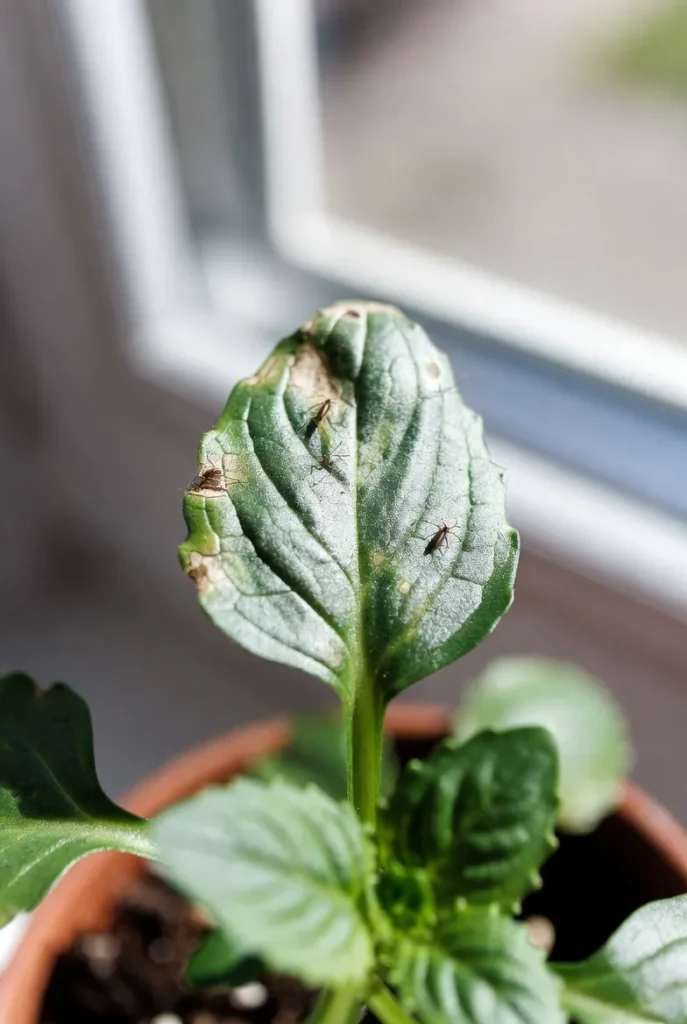
Thrips are small slender insects that damage plants by scraping leaf surfaces and feeding on plant juices.
They are usually brown, black, or yellow and are extremely thin in shape.
Symptoms
- Silvery streaks on leaves
- Brown edges
- Distorted growth
Thrips are difficult to see but the leaf damage is usually obvious.
Treatment options
- Insecticidal soap
- Pruning damaged leaves
- Improving air circulation
6. Mealybugs
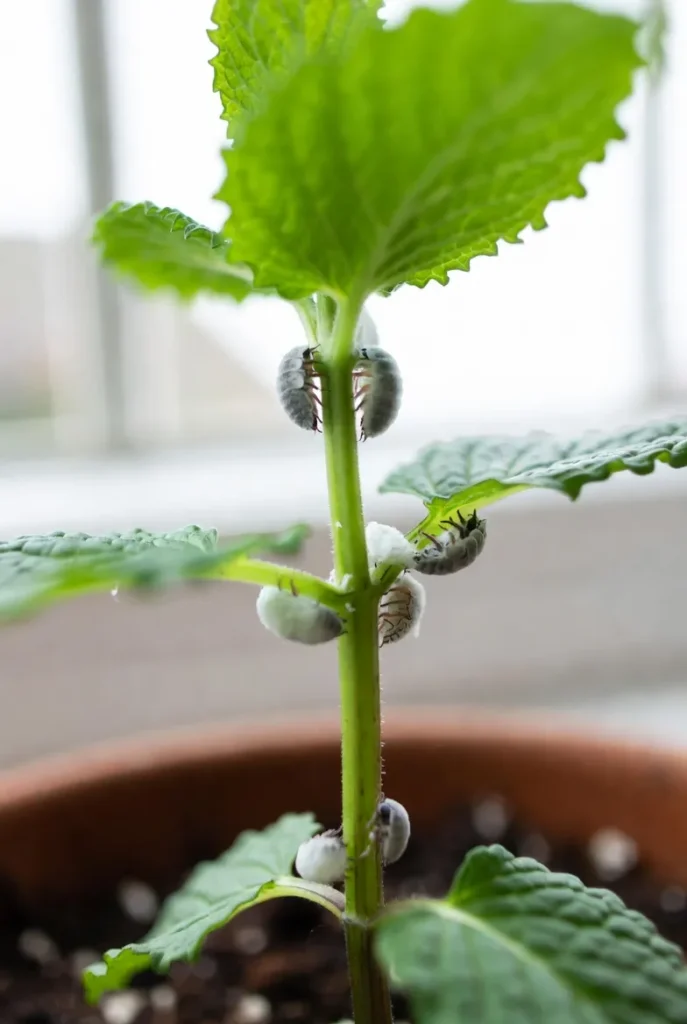
Mealybugs appear as white cotton-like clusters on stems or leaf joints.
They feed on plant sap and weaken herb plants.
Identification
You may notice:
- Sticky leaves
- White fuzzy patches
- Slow plant growth
Removal method
Dip a cotton swab in rubbing alcohol and gently remove the insects. After that, spray the plant with neem oil.
7. Scale Insects
Scale insects look like small brown bumps attached to plant stems.
They often go unnoticed because they resemble plant growth.
Signs
- Yellow leaves
- Weak stems
- Sticky honeydew
Control method
- Scrape off scales manually
- Apply horticultural oil spray
Regular inspection helps catch them early.
8. Leaf Miners
Leaf miners are larvae that live inside plant leaves and feed on internal tissue.
These larvae are usually the immature stage of small flies or moths.
How to recognize them
Look for thin winding trails inside leaves.
These trails appear pale or white and move across the leaf surface.
Control method
- Remove infected leaves
- Dispose of them away from other plants
Leaf miners are most common on herbs like parsley and cilantro.
9. Caterpillars
Caterpillars are the larval stage of butterflies and moths.
Although they are more common outdoors, they sometimes appear on indoor herbs.
Signs
- Large holes in leaves
- Missing leaf sections
Control
Caterpillars are usually large enough to remove by hand.
Regularly inspect plants and remove any larvae you find.
Keeping windows screened can also help prevent caterpillars from entering indoors.
10. Springtails
Springtails are tiny insects that jump when disturbed.
They usually live in moist soil and feed on decaying organic matter.
Are springtails harmful?
In most cases, they do not seriously damage plants. However, their presence indicates that the soil is too wet.
Solution
- Reduce watering
- Improve drainage
Improving soil conditions usually eliminates springtail problems.
11. Root Aphids
Root aphids are similar to aphids but live underground in the soil.
They attack plant roots instead of leaves.
Because they live below the soil surface, infestations may remain hidden for weeks.
Symptoms
- Slow plant growth
- Yellowing leaves
- Weak roots
Because they are hidden in the soil, infestations can be difficult to detect.
Treatment
- Replace contaminated soil
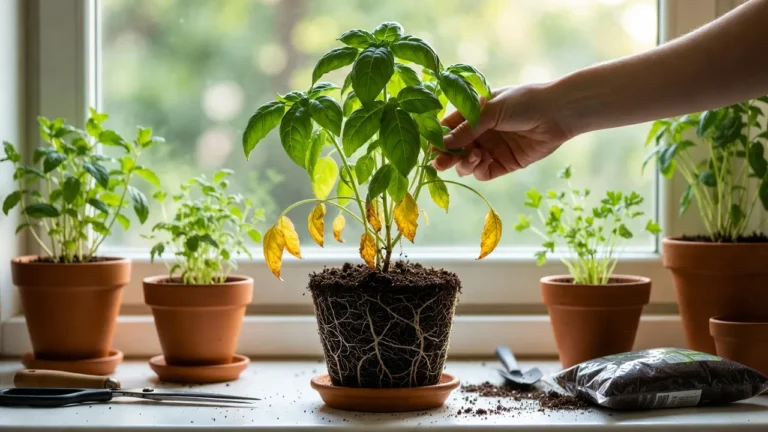
- Wash plant roots before repotting
Using clean, well-draining soil is one of the best ways to prevent root pests. You can learn how to choose the right mix in our guide on Right Soil for Indoor Herbs.
12. Broad Mites
Broad mites are extremely small pests that damage new plant growth.
They are difficult to see without magnification.
Signs
- Twisted leaves
- Deformed stems
- Stunted growth
Control
Neem oil sprays and removing affected growth usually stop infestations.
Natural Pest Control Methods for Indoor Herbs
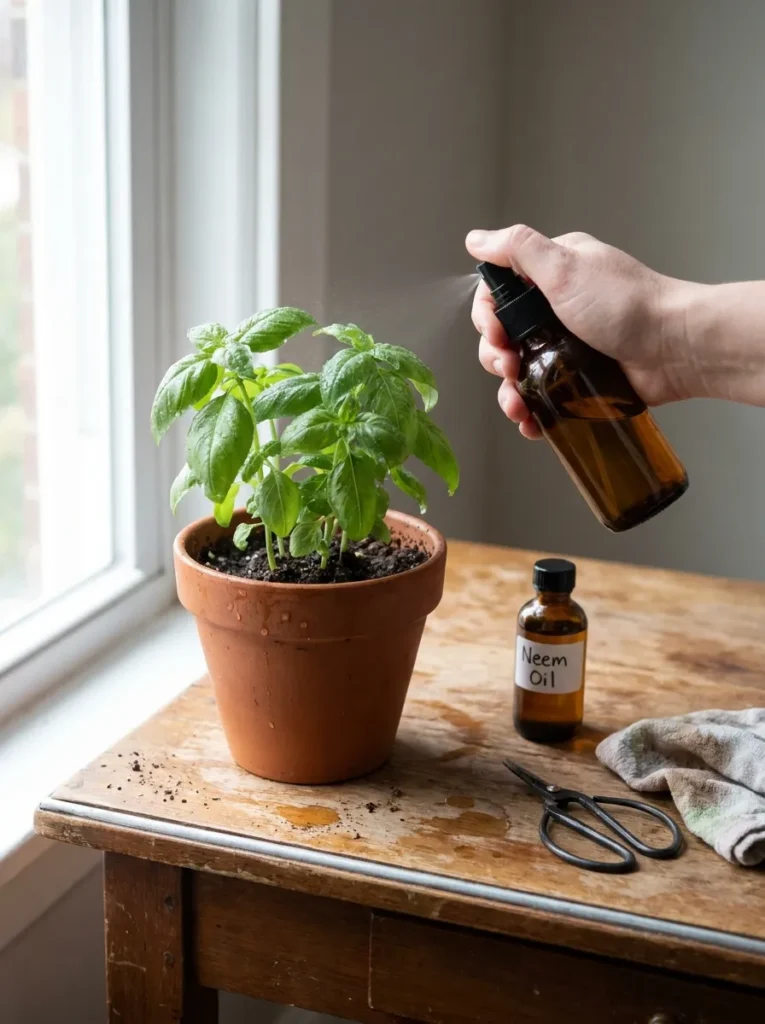
Chemical pesticides are not recommended for edible herbs.
Instead, gardeners often rely on natural pest control methods.
Common safe solutions include:
- Neem oil spray
- Insecticidal soap
- Sticky traps
- Manual removal of insects
- Washing plants with water
- Pruning damaged leaves
These methods form part of integrated pest management (IPM), a sustainable approach to controlling pests while protecting plant health.
Healthy, well-fed herbs are naturally more resistant to pests. If you’re unsure which nutrients indoor herbs need, check out our guide on Best Fertilizer for Indoor Herbs to learn safe fertilizing methods.
Best Pest-Resistant Herbs for Indoor Gardens
Some herbs naturally resist pests because of their strong aromatic oils and tougher leaf structures. These natural compounds can make the plant less attractive to many common indoor insects.
While no herb is completely pest-proof, certain varieties tend to experience fewer infestations when grown indoors.
The following herbs are commonly considered more resistant to pest problems indoors.
Rosemary
Rosemary is one of the most pest-resistant herbs you can grow indoors.
Its strong woody scent and needle-like leaves make it difficult for many sap-sucking insects such as aphids and whiteflies to settle on the plant. Rosemary also prefers slightly drier soil, which reduces the risk of fungus gnats.
Thyme
Thyme produces natural oils such as thymol, which many insects dislike.
The plant’s small leaves and strong fragrance make it less attractive to common herb pests. Thyme also thrives in well-drained soil, helping prevent problems caused by overly damp conditions.
Mint
Mint contains menthol-rich oils that can repel certain insects.
Because of its vigorous growth and strong aroma, mint often tolerates minor pest issues better than more delicate herbs. However, it can still attract aphids or spider mites if the plant becomes stressed.
Sage
Sage has thick, slightly fuzzy leaves that make it harder for small insects to feed on the plant.
Its aromatic oils also discourage many pests from settling on the foliage. When grown in bright light and well-drained soil, sage usually remains healthy and resilient.
Even with pest-resistant herbs, regular plant checks are still important. Early inspection helps detect any insect activity before it spreads to other indoor plants.
How Pests Spread Between Indoor Plants
Indoor pests spread quickly when plants are placed close together.
Common ways infestations spread include:
- Shared watering trays
- Infected soil
- Air movement between plants
- Moving plants between rooms
Always isolate plants if you suspect a pest problem.
Preventing Pests in Indoor Herb Gardens
Prevention is easier than pest removal.
Follow these simple habits:
1. Inspect new plants
Check leaves and soil before bringing new herbs indoors.
Always keep new plants separate for about 1–2 weeks before placing them near your indoor herbs. This quarantine period helps detect hidden pests before they spread.
2. Avoid overwatering
Wet soil attracts fungus gnats and root pests.
3. Improve airflow
Proper ventilation reduces pest activity.
4. Clean plant containers
Wash pots before reusing them.
5. Monitor plants weekly
Early detection prevents large infestations.
Healthy herbs naturally resist many pests.
Consistent care and observation are the best defenses against indoor herb pests.
Healthy harvesting practices also help keep herbs strong and less vulnerable to pest damage. If you’re unsure how to trim herbs properly without stressing the plant, this guide on how to harvest indoor herbs explains the safest harvesting methods.
FAQs
1. What pests attack indoor herbs most often?
The most common pests include aphids, spider mites, fungus gnats, whiteflies, thrips, mealybugs, and scale insects.
2. Why do indoor herbs get bugs?
Indoor herbs attract pests when soil stays too wet, airflow is poor, or infested plants are brought indoors.
3. How do I get rid of aphids on basil?
Rinse basil leaves with water and spray neem oil or insecticidal soap weekly until the aphids disappear.
4. Are indoor herb pests harmful to humans?
Most indoor plant pests are harmless to humans, but they can damage herbs by feeding on plant sap or roots.
5. Can pests spread between indoor plants?
Yes. Many pests move quickly from one plant to another, especially when plants are close together.
6. Are herbs safe to eat after pests appear?
Yes. After removing pests, wash leaves thoroughly before using them in cooking.
7. How often should I check indoor herbs for pests?
Inspect your plants at least once a week to detect problems early.
Conclusion
Indoor herb gardening brings fresh flavor and greenery into your home, but pests can appear even in well-maintained plants.
If you’re new to growing herbs indoors, our complete Indoor Herb Gardening Guide explains the basics of lighting, watering, and plant care.
Learning to recognize common pests such as aphids, spider mites, fungus gnats, whiteflies, and mealybugs helps you act quickly before damage spreads.
The most effective approach combines early detection, natural treatments, and good plant care habits.
By monitoring your herbs regularly, avoiding overwatering, and maintaining healthy soil conditions, you can keep your indoor herb garden thriving and pest-free all year.

Hi, I’m Rimsha, founder of Urban Bloomer 🌱
I grow herbs and plants in a small apartment and share what actually works in limited indoor spaces. Over the past few years, I’ve tested different setups, from lighting and soil to watering routines, to find simple methods that make indoor gardening easier.
Here, you’ll find practical, beginner-friendly advice based on real experience, not complicated gardening systems.