Indoor Herb Gardening for Small Apartments: Complete Beginner’s Guide 2026
Ever bought fresh herbs for a recipe, used a few leaves, and watched the rest wilt in your fridge?
The good news is, you don’t have to rely on store-bought herbs anymore.
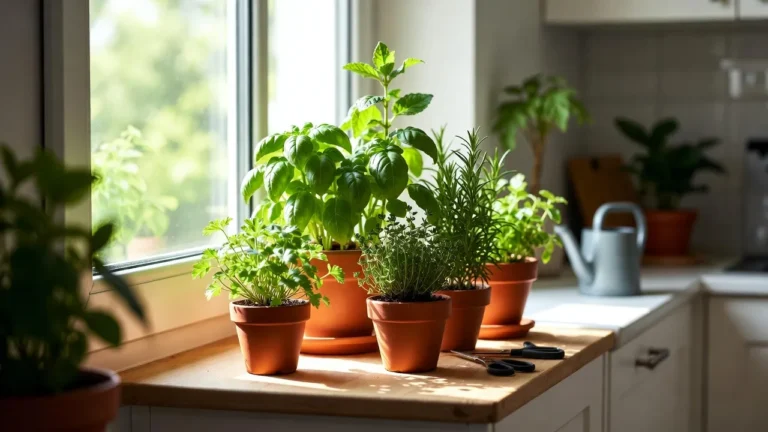
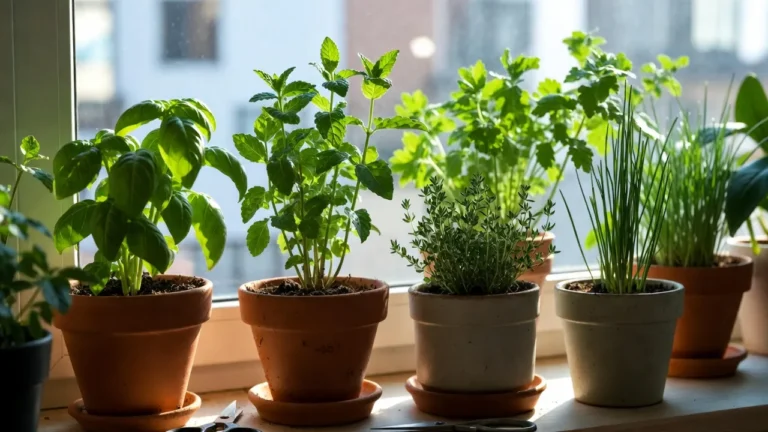
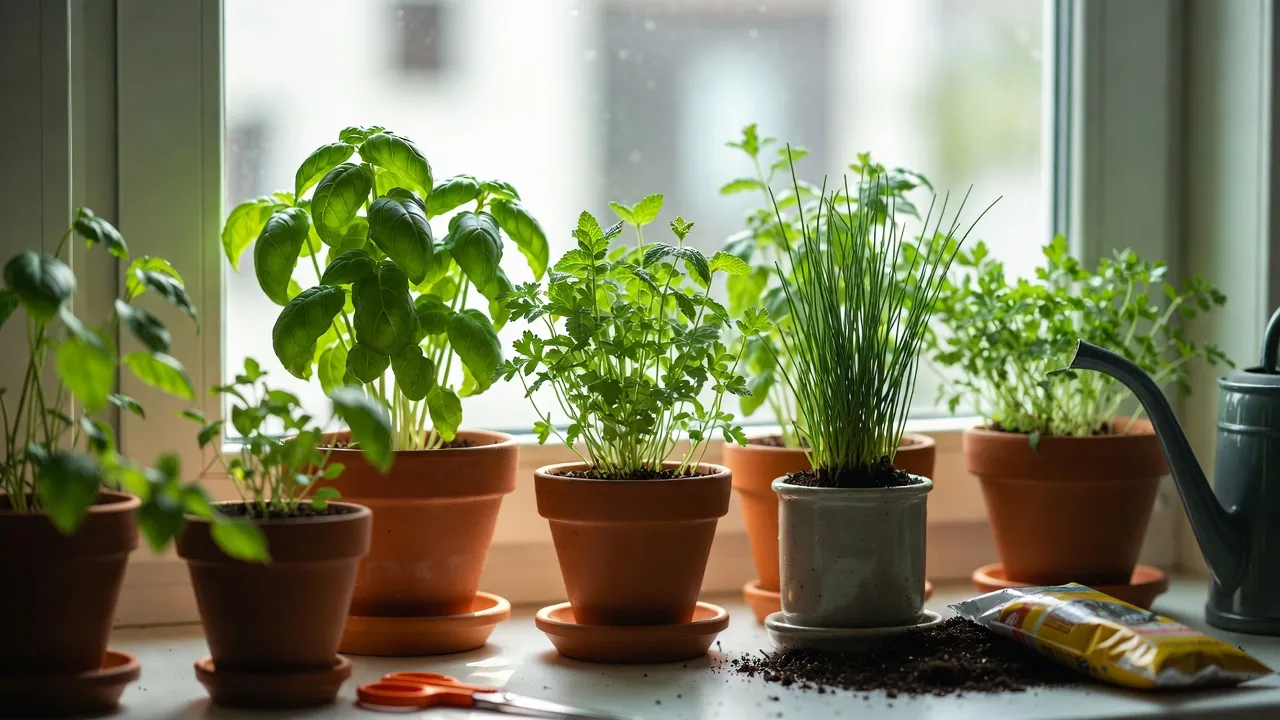
Indoor herb gardening lets you grow fresh, flavorful culinary herbs right inside your home, whether you live in a small apartment, a cozy home, or even a single-room studio.
You don’t need a balcony.
You don’t need a backyard.
You don’t need gardening experience.
All you need is a small spot with decent light and a few basic supplies.
No matter where you live, this guide will walk you through everything in simple, practical steps.
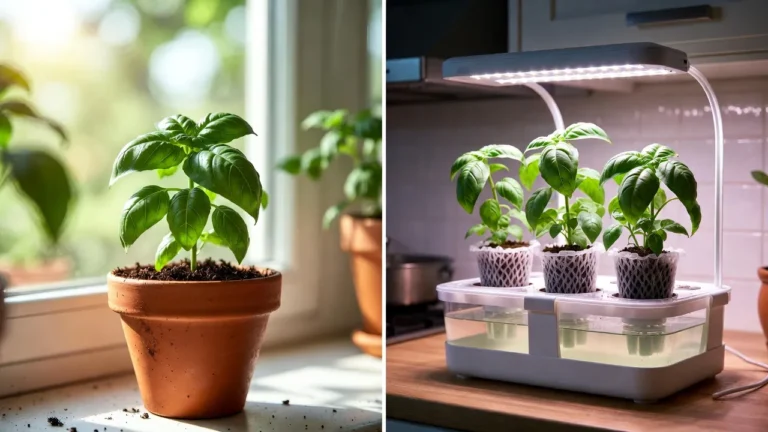
Before starting an indoor herb garden, it’s helpful to compare soil vs hydroponics for indoor herbs to see which growing method suits your space.
Quick Start Checklist
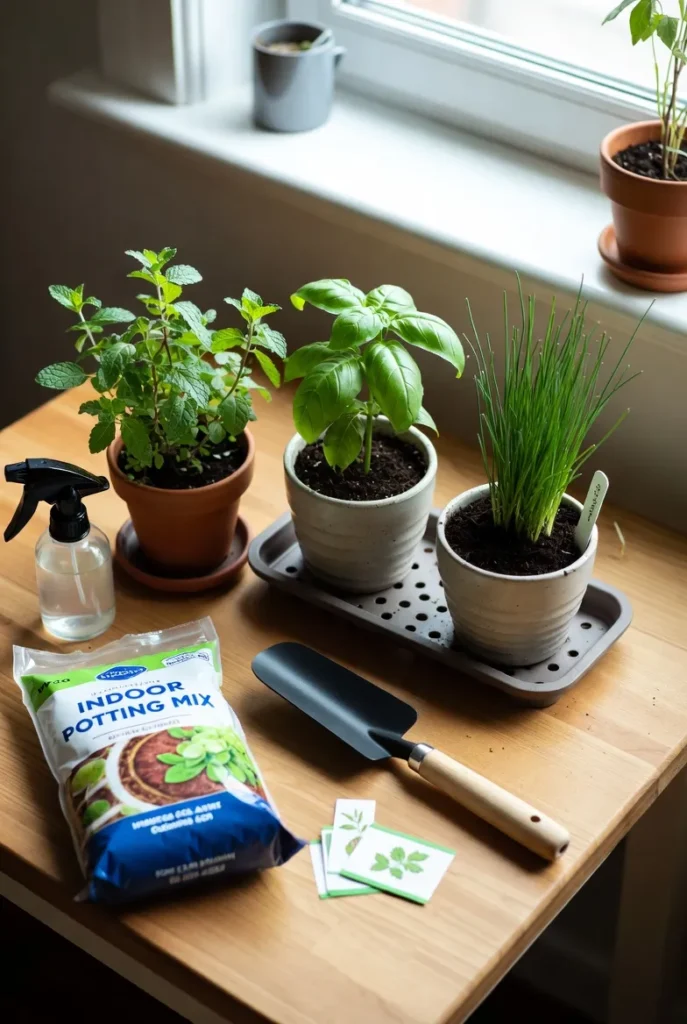
From what I’ve seen, beginners have much more success when they start with just two or three herbs.
Beginners who try to grow six or seven varieties at once often feel overwhelmed within the first month.
If you want to begin today, here’s the simplest setup
• 2–3 beginner herbs (mint, chives, basil)
• 6-inch pots with drainage holes
• Indoor potting mix (not garden soil)
• 4–8 hours of light (or LED grow light)
• Water only when top inch is dry
To get started, you’ll need a few essentials; check our indoor herb garden supplies checklist to make sure you have everything.
What Is Indoor Herb Gardening?
Indoor herb gardening is a form of container gardening where herbs grow inside controlled environments using:
- Potting mix or hydroponics
- Natural sunlight or LED grow lights
- Proper drainage
- Consistent watering
Why an Indoor Herb Garden Makes Sense in Small Spaces
Modern apartments are smaller. Outdoor space is limited. Store-bought herbs often lose freshness within 24–48 hours after harvest.
Growing herbs indoors solves all three problems.
You get:
- Fresh flavor year-round
- Better control over quality
- No outdoor space required
- Reduce waste and grocery costs
Can You Really Grow Herbs Indoors?
Yes.
Most herbs grow well indoors if they receive:
- 4–8 hours of light daily
- Well-draining potting mix
- Proper watering routine
- Adequate airflow
Indoor herb gardening works in both cold and hot climates because the environment is controlled inside your home.
If you’re wondering which plants are easiest to start with, our article on 10 Best Herbs to Grow Indoors for Beginners introduces herbs that grow well in kitchens, apartments, and other small indoor spaces.
How Much Does Indoor Herb Gardening Cost?
Before getting started, it helps to understand what the basic setup might cost. Even with just a few pots and some basic supplies, you can start enjoying fresh herbs at home under $100.
Item | Typical Cost Range (USD Equivalent) |
|---|---|
3–5 pots | $20–$60 |
Soil | $10–$25 |
Starter herbs | $15–$40 |
Grow light (optional) | $30–$120 |
What Are the Best Herbs for Beginners?
Some herbs adapt much better to indoor conditions than others. If you’re just starting out, these beginner-friendly herbs are the easiest to grow indoors.
Herb | Light Needs | Difficulty | Why It’s Good |
|---|---|---|---|
Mint | Medium | Very Easy | Grows quickly |
Chives | Medium | Very Easy | Compact and fast growing |
Basil | High | Easy | Popular and productive |
Parsley | Medium | Easy | Good for small pots |
Thyme | High | Easy | Tolerates dry air |
Mint and Basil are usually the easiest herbs for beginners to grow indoors. Here’s a complete step-by-step guide on how to grow basil indoors for healthy growth.
Even the easiest herbs like basil and mint can sometimes attract small indoor insects. If you notice sticky leaves or tiny bugs, this guide explains how to identify and remove common indoor herb pests naturally.
Step-by-Step: How to Start an Indoor Herb Garden in Your Apartment
Now that you know the basics, let’s walk through the exact steps to start your indoor herb garden.
Step 1: Identify the Brightest Spot in Your Apartment
Before buying anything, check your light.
Here’s exactly what to do:
- Wait until midday (around 12–2 PM).
- Walk around your apartment.
- Notice which window area feels brightest without turning on lights.
- Place your hand on the windowsill — if it feels warm and bright, it’s your best spot.
In small city apartments, I’ve often seen north-facing windows struggle to support basil and thyme without supplemental lighting.
A simple LED grow light usually solves this problem immediately.
Light plays a major role in indoor herb growth. If natural sunlight is limited, this complete guide to choosing grow lights for indoor herbs explains what beginners should look for.
Step 2: Buy the Right Pots
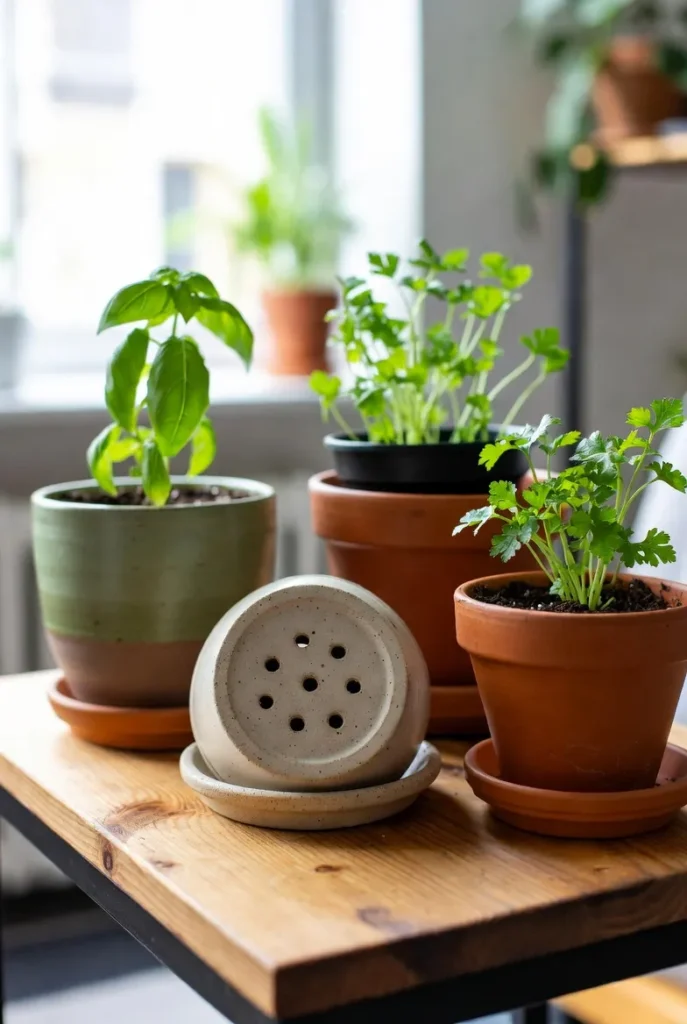
Go to a store or shop online and choose:
- Pots at least 6 inches deep
- Pots with visible drainage holes
- Matching saucer trays
Once home:
- Place the saucer under the pot.
- Make sure the drainage hole is not blocked.
- Do not add rocks at the bottom; proper potting mix is enough.
Drainage prevents root rot. This step protects your plants long-term.
When starting an indoor herb garden, selecting the right container is just as important as choosing the herbs themselves. Our guide on choosing the best containers for indoor herbs explains which pots work best indoors.
Step 3: Fill the Pots Correctly
Now it’s time to prepare the soil.
- Open your indoor potting mix bag.
- Gently loosen the soil with your hands (don’t pack it tight).
- Fill the pot until about 1 inch below the rim.
- Lightly tap the pot to settle the soil — do not press it down firmly as roots need oxygen.
Compact soil is one of the hidden reasons herbs fail indoors. When I began growing herbs in containers, I packed the soil too tightly and noticed slower growth within weeks.
Before planting your herbs, it’s important to use the right growing medium. Learn how to choose the best potting mix in our complete guide to choosing the right soil for indoor herbs.
Step 4: Plant Your Herbs
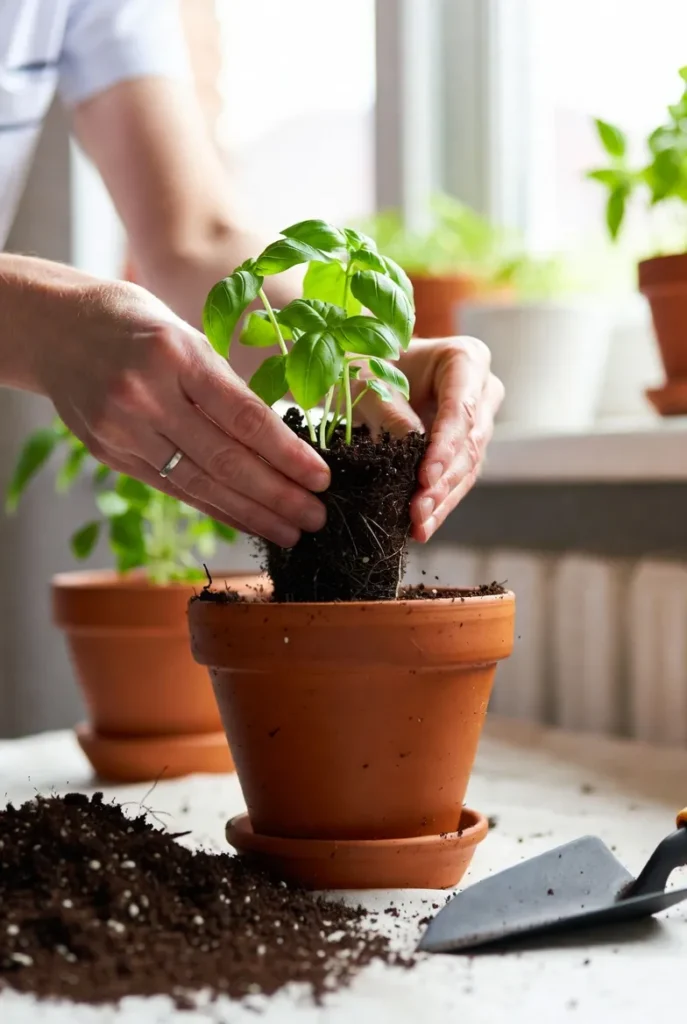
If using starter plants:
- Remove the plant gently from its nursery container.
- Loosen the roots slightly with your fingers.
- Place it in the center of your pot.
- Add soil around the sides until stable.
- Lightly press to secure — not compress.
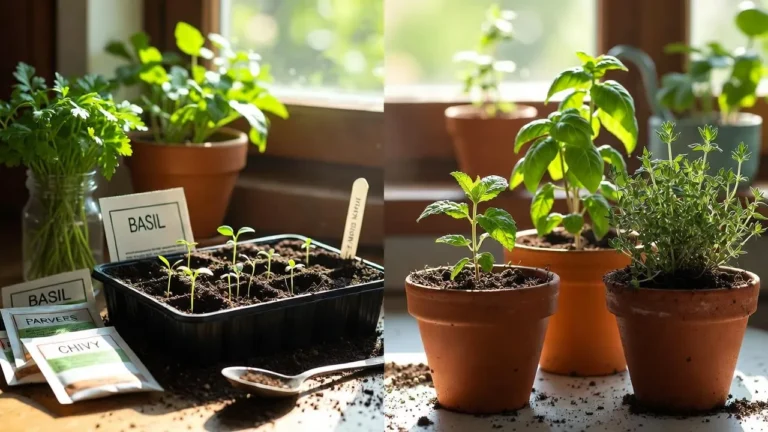
If using seeds:
- Read the depth instructions on the seed packet.
- Make small holes with your finger.
- Drop seeds in.
- Cover lightly with soil.
- Mist gently with water.
When starting an indoor herb garden, many beginners wonder whether to plant seeds vs seedlings for indoor herbs.
Step 5: Water Properly
After planting:
- Slowly water until water flows out from the drainage hole.
- Wait 5 minutes.
- Empty excess water from the saucer.
Do not leave pots sitting in water.
For future watering:
- Insert your finger 1 inch into soil.
- If dry → water.
- If moist → wait another day.
Never water just because it’s been 2 days.
Step 6: Position for Light
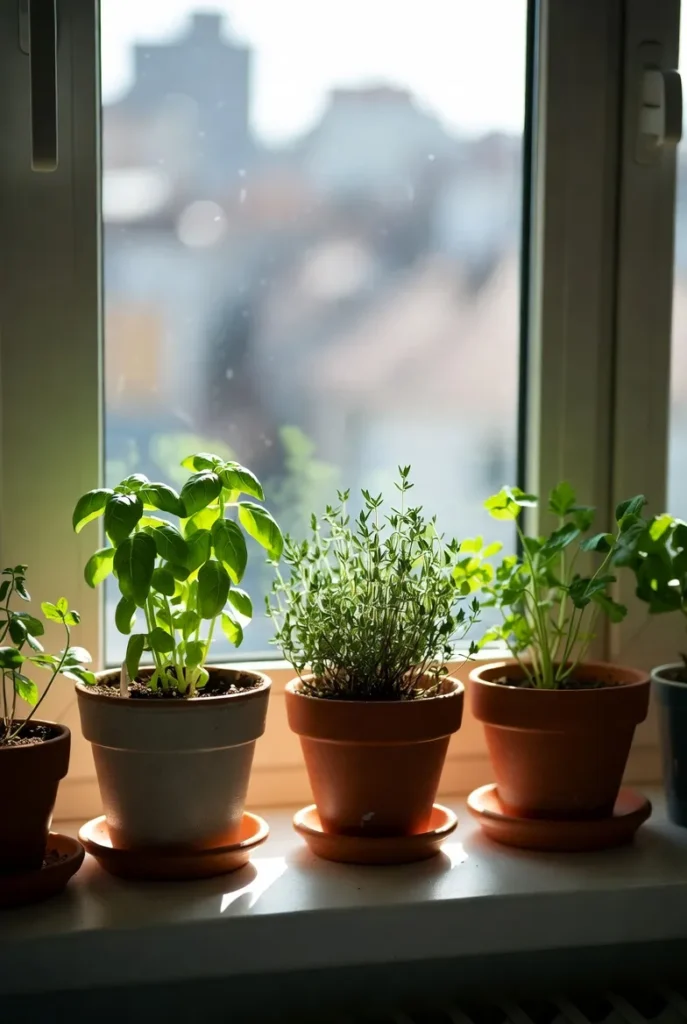
If using natural light:
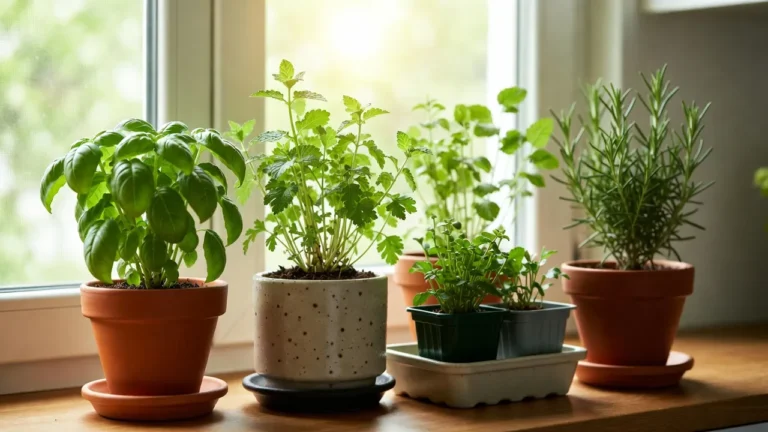
- Place pots as close to the window as possible.
- Make sure leaves do not touch cold glass in winter.
- Rotate pots every 3–4 days for even growth.
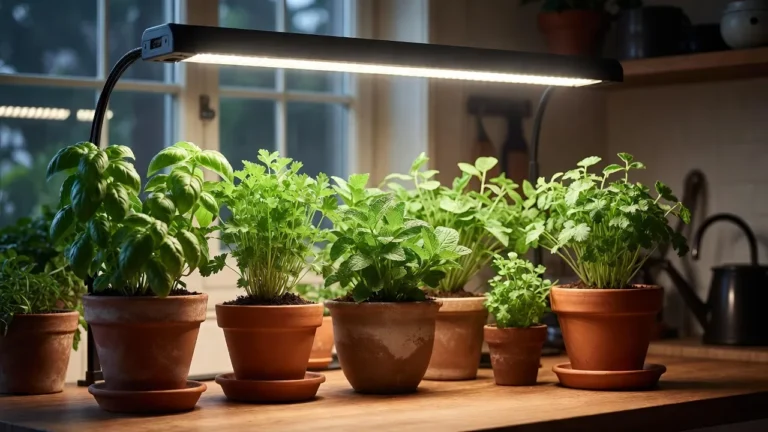
If using LED grow lights:
- Install light 6–12 inches above plants.
- Turn it on for 12–14 hours daily.
- Turn it off at night.
- Use a timer plug to automate the schedule.
Plants need consistency more than intensity.
Step 7: Maintenance Checklist (Weekly)
- Check soil moisture
- Rotate pots for even light
- Prune excess growth
- Inspect leaves for pests
- Clean fallen debris
Simple weekly care prevents most problems.
Step 8: Start Harvesting
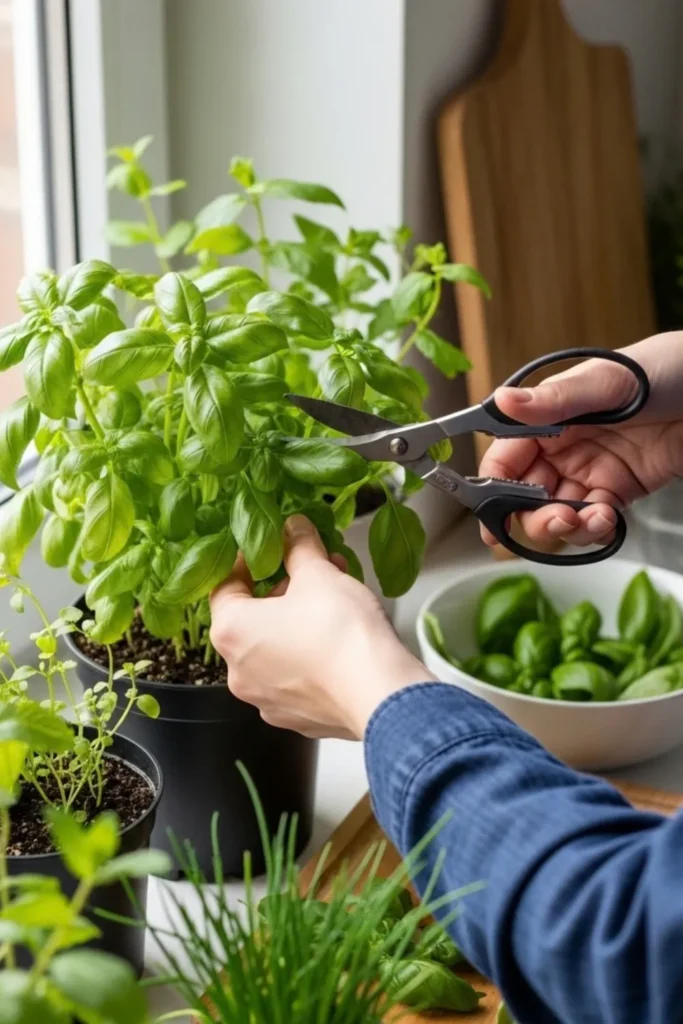
When your herb reaches 4–6 inches tall:
- Use clean scissors.
- Cut just above a leaf node.
- Never remove more than one-third of the plant at once.
Once these herbs begin producing plenty of leaves, trimming them correctly helps the plant stay healthy and productive. This guide on how to harvest indoor herbs explains the safest way to harvest fresh leaves.
How to Set Up an Indoor Herb Garden in Different Apartment Layouts
Now you understand the basic setup, let’s look at how to adapt your herb garden to different apartment layouts.
The right setup can make indoor herb gardening much easier, even in small apartments.
Small Kitchen Setup
- Windowsill herb row
- Wall-mounted vertical gardening rack
- Compact shelf with grow lights
Studio Apartment
- Vertical shelving near window
- Rolling plant cart
- Hanging planters
Low-Light Apartment
- Dedicated grow light shelf
- Timer-controlled lighting
Soil vs Hydroponics: Which Should You Choose?
When starting an indoor herb garden, you can grow in soil or try hydroponics. The right choice depends on your space, budget, and maintenance style.
Soil Gardening
Soil gardening is the traditional and most beginner-friendly method.
Pros:
- Lower startup cost
- Natural growing method
- Easy to find supplies
- Less technical knowledge required
Cons:
- Can be slightly messy
- Higher risk of overwatering
- Possible soil pests if overwatered
Soil gardening works well for most apartments, especially if you have at least moderate natural light.
Hydroponics
Hydroponics is a method of growing herbs in nutrient-rich water instead of soil.
Pros:
- Cleaner setup
- Faster growth in many cases
- Reduced soil-related pests
- Often includes built-in lighting systems
Cons:
- Higher initial cost
- Requires nutrient solution management
- Slightly more technical setup
Hydroponics is especially useful in small apartments with limited sunlight or for people who prefer a more automated system.
Which Is Better for Beginners?
If you want simplicity and low cost, choose soil gardening.
If you want convenience, automation, and have limited light, hydroponics may suit you better.
Both methods can successfully grow basil, mint, parsley, and thyme indoors. The key is consistent care, proper lighting, and controlled watering regardless of the method you choose.
Indoor Herb Gardening in Different Climates
Even though you’re indoors, climate still matters.
Cold regions
- Less daylight
- Dry indoor air
- Grow lights recommended
Hot regions
- Soil dries faster
- AC lowers humidity
Humid regions
- Increase airflow
- Avoid overcrowding
Adjust care based on your environment.
For example, in dry indoor environments during winter, I often notice soil drying unevenly — the top layer appears dry while the lower root zone remains moist. This is why checking soil depth matters more than following a calendar.
Common Beginner Mistakes
After years of observing apartment herb setups, these mistakes appear again and again, regardless of climate or apartment size.
- Overwatering
- No drainage holes
- Too little light
- Crowding multiple herbs in one small pot
- Forgetting to prune
Can You Grow Herbs Indoors All Year?
Yes.
Indoor herbs can grow year-round with:
- Consistent light
- Proper watering
- Occasional feeding
Use diluted organic fertilizer every 2–4 weeks during active growth.
Some herbs last 6–24 months or longer with proper pruning.
Are Indoor Herbs Safe for Pets?
Yes.
Mint, basil, and thyme are generally considered safe.
However, always confirm plant safety with a reliable veterinary source if you have pets.
Preventing Pests and Mold
Indoor plants can sometimes attract fungus gnats.
Prevention tips:
- Avoid overwatering
- Ensure good drainage
- Improve air circulation
- Remove dead leaves quickly
If mold appears, reduce watering and increase airflow.
FAQs
1. What is indoor herb gardening?
Indoor herb gardening is growing culinary herbs inside your home using containers, potting mix, and natural or artificial light.
2. What is the easiest herb to grow indoors?
Mint and chives are the easiest for beginners because they tolerate light and watering variations.
3. Do indoor herbs need direct sunlight?
Most herbs need bright light, but not always direct sunlight. If light is limited, use full spectrum LED grow lights.
4. How often should I water indoor herbs?
Water when the top inch of soil feels dry. Avoid fixed schedules.
5. Can I grow herbs without a window?
Yes. Grow lights can fully replace natural sunlight.
6. How long do indoor herbs last?
Many herbs last 6–24 months with proper care. Some can live longer with regular pruning.
7. Is indoor herb gardening expensive?
No. A basic setup is affordable. Advanced systems cost more but offer convenience.
8. Why are my indoor herbs turning yellow?
Usually due to overwatering, poor drainage, or insufficient light.
Indoor herb gardening doesn’t require a large home — only consistent care and a basic understanding of plant needs.
After setting up small-space herb gardens in compact apartments, I’ve seen how even limited square footage can produce a steady supply of fresh herbs.
Conclusion
Indoor herb gardening is simple, affordable, and perfect for modern apartment living.
Within weeks, you’ll harvest fresh herbs from your own indoor garden with no backyard required.
Once you cook with herbs you grew yourself, it’s hard to go back.
Even with the right setup, beginners often run into common problems like overwatering, poor lighting, or compacted soil. Our guide on 10 Common Indoor Herb Gardening Mistakes (And How to Fix Each One) explains how to identify and correct these issues before they damage your plants.