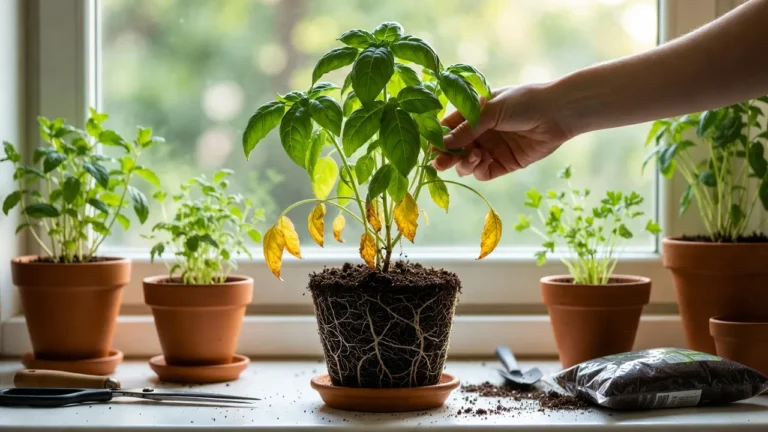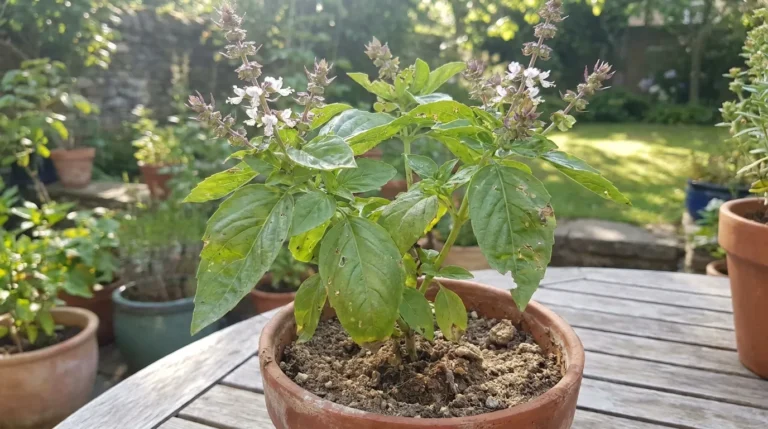
Why Do My Herbs Smell Bad? Causes, Fixes & How to Keep Them Fresh Longer
You open your fridge, grab your herbs, but something smells off. Not fresh, not fragrant… just wrong.
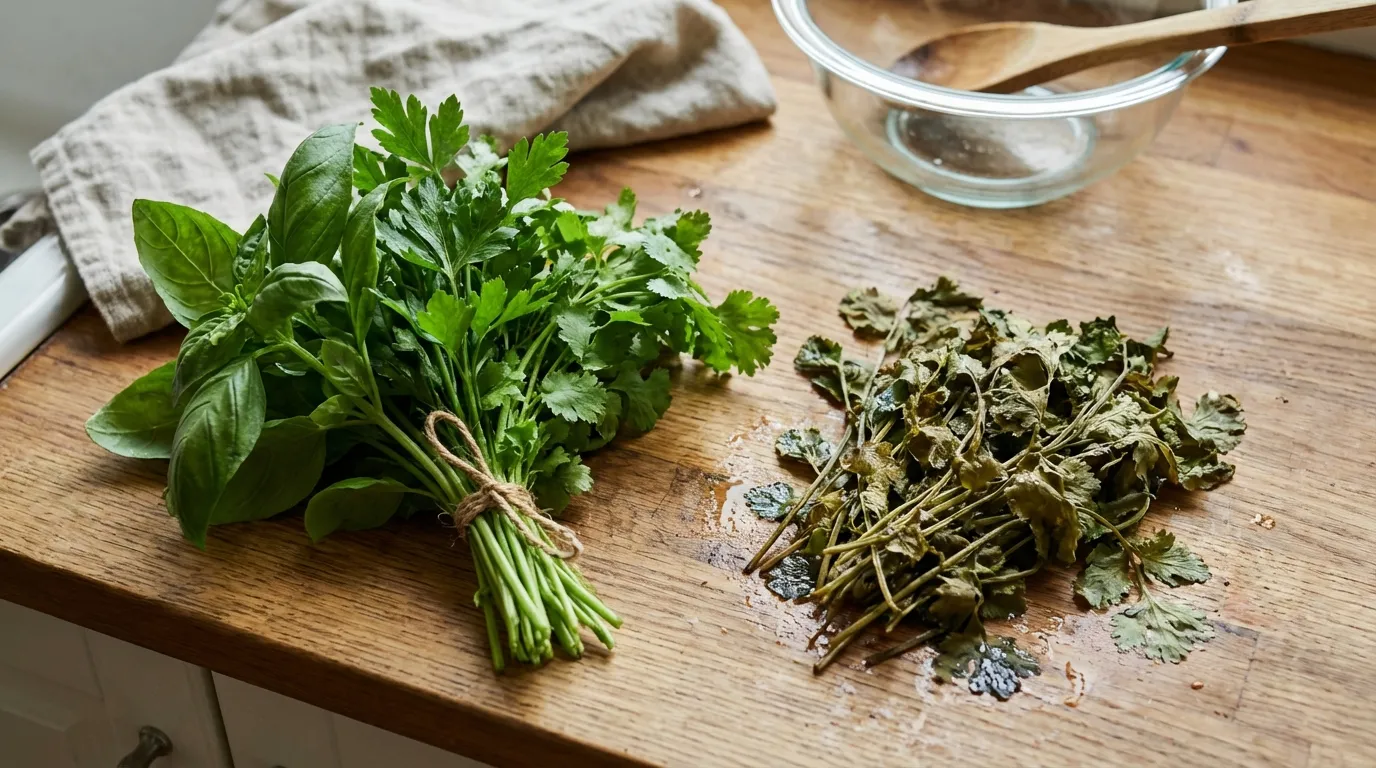
If your herbs smell bad, it’s usually a sign of moisture buildup, bacterial growth, mold, or natural decay. The good news is that in many cases, you can fix it or prevent it next time.
Let’s break it down so you can quickly identify the cause, decide if they’re safe, and stop it from happening again.
Before you throw them away, it helps to understand exactly what’s causing the smell.
What Causes Herbs to Smell Bad?
Herbs are delicate. Their freshness depends on essential oils, moisture balance, and proper storage. When that balance is disturbed, odor develops.
In most cases, the issue comes down to one or more of the following factors:
Excess Moisture (The Main Cause)
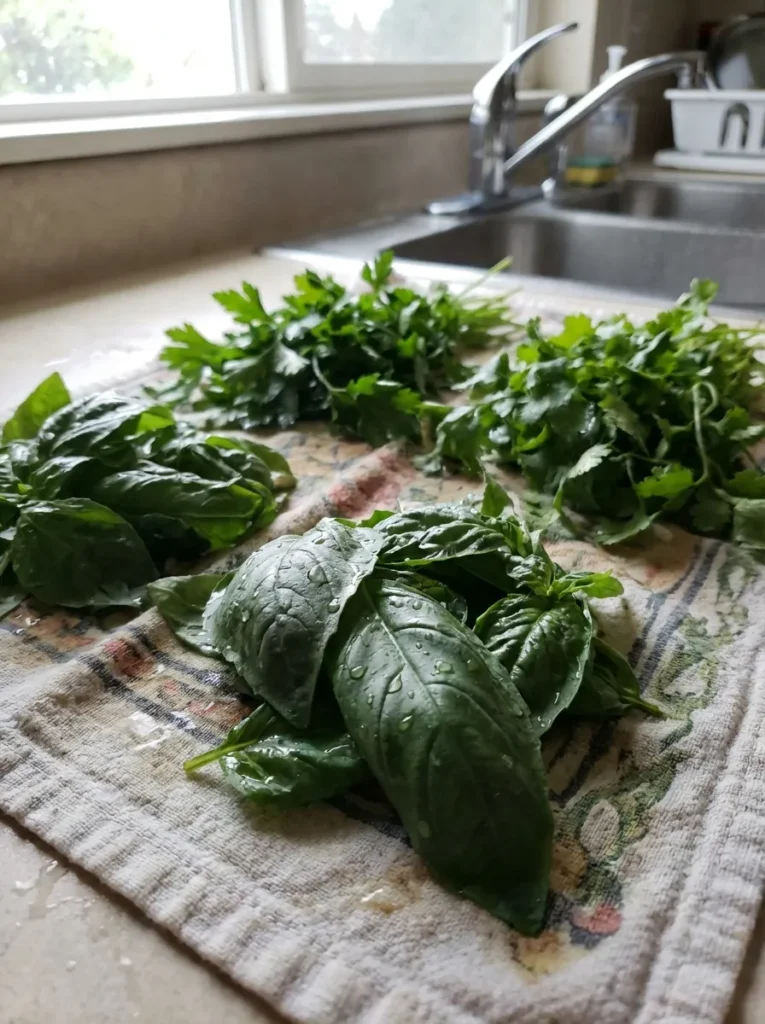
Too much water leads to microbial growth.
- Wet leaves after washing
- Storing herbs without drying
- Condensation inside containers
Moisture accelerates decomposition and destroys aroma.
Why Moisture Gets Trapped So Easily
Herb leaves are thin and layered closely together.
After washing, small amounts of water stay trapped between the leaves and along the stems. Even if the surface looks dry, hidden moisture can remain inside. That trapped moisture creates the perfect environment for bacteria to grow.
Bacterial Growth
Bacteria break down plant tissue and release unpleasant smells.
- Common in warm or sealed environments
- Happens faster if herbs are bruised
This often causes a sour or slightly rotten odor.
Why Damaged Leaves Spoil Faster
When leaves are bruised or crushed, their internal structure breaks down. This releases moisture and nutrients, which bacteria use to multiply quickly.
That’s why herbs that look slightly damaged often develop odor much faster than intact leaves.
Mold Formation
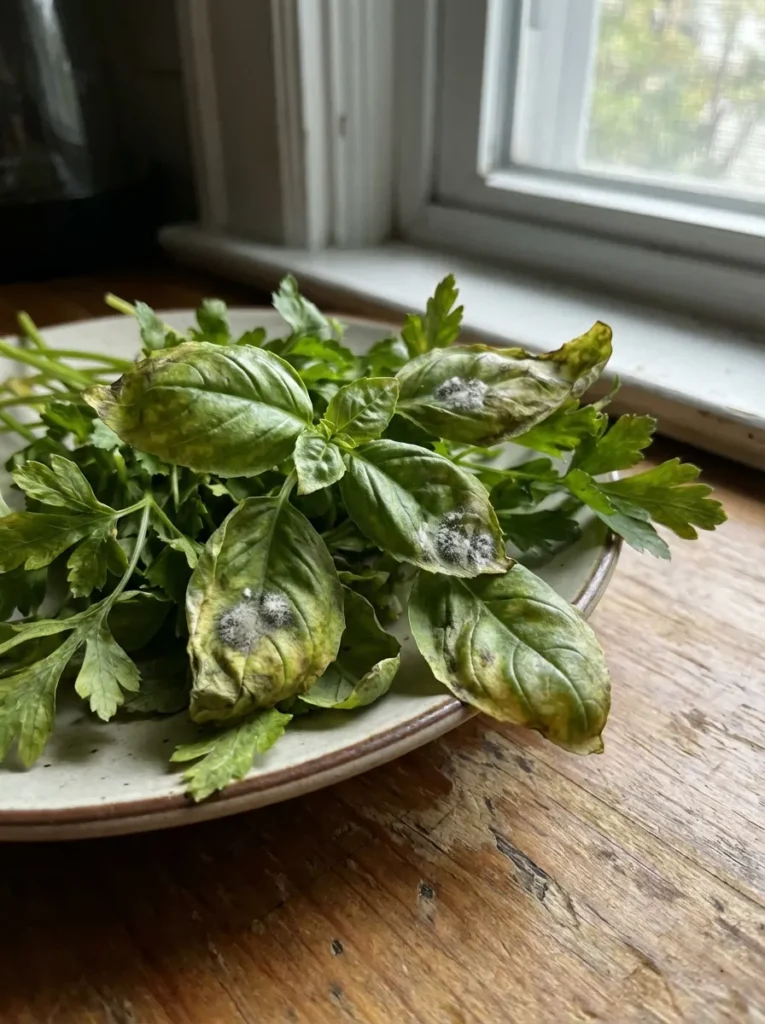
Mold thrives in humid conditions.
- Appears as white, gray, or fuzzy spots
- Produces a strong musty smell
This is a clear sign of spoilage.
If you notice mold developing on herbs, read our guide on how to prevent mold.
Why Mold Smell Is Stronger Than Other Odors
Mold produces compounds as it grows and spreads.
These compounds are responsible for the strong, musty smell. Unlike mild spoilage, mold odor tends to be more noticeable even in small amounts.
That’s why even a small patch of mold can affect the smell of the entire batch.
Aging and Loss of Freshness
Over time, herbs lose their natural oils.
- Aroma becomes dull or unpleasant
- Leaves may darken or dry out
Old herbs don’t always smell rotten, but they won’t smell fresh either.
Improper Storage
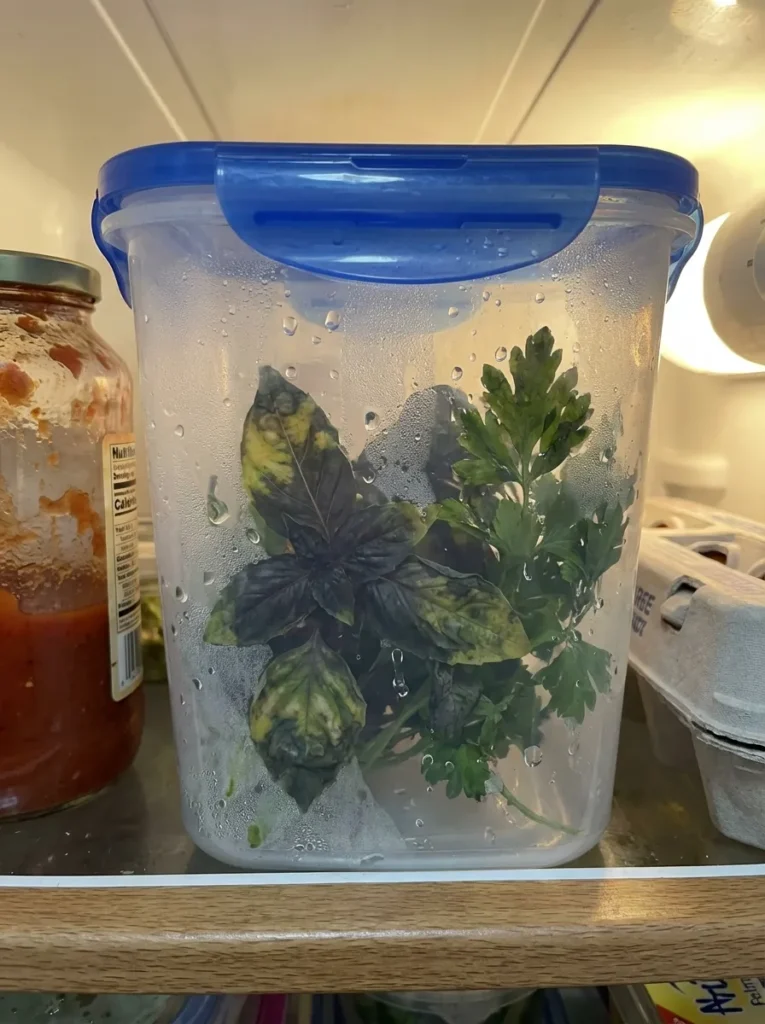
Wrong storage methods trap moisture and heat.
- Airtight containers without airflow
- Plastic bags with no ventilation
- Leaving herbs at room temperature too long
For a proper storage guide, you can read our article : 10 Easy Ways to Store Fresh Herbs and Keep Them Fresh Longer
Why Lack of Airflow Makes Things Worse
When herbs are stored without airflow, moisture cannot escape. Instead, it stays trapped inside the container. This creates a humid micro-environment where:
- bacteria multiply
- mold develops faster
- leaves break down more quickly
Even small ventilation can slow this process significantly.
Quick Diagnosis: What Does the Smell Mean?
Now that you know the possible causes, let’s quickly identify what your herbs are telling you.
Smell Type | Likely Cause | What It Means | Action |
|---|---|---|---|
Musty | Mold | Unsafe | Discard |
Sour | Bacteria | Early spoilage | Trim and check |
Rotten | Advanced decay | Unsafe | Throw away |
Weak | Old herbs | Lost freshness | Replace |
How to Fix Smelly Herbs
If your herbs aren’t fully spoiled, you may still be able to save them.
Step 1: Inspect Carefully
- Remove any slimy, dark, or damaged leaves
- Check stems and roots
Step 2: Wash Gently
- Use cold water
- Avoid soaking for long periods
Step 3: Dry Completely
This step is critical.
- Use paper towels
- Air-dry for 10–15 minutes
- No visible moisture should remain
Step 4: Trim and Refresh
- Cut off decayed parts
- Shorten stems if needed
Step 5: Store Properly
- Wrap in slightly damp (not wet) paper towel
- Place in breathable container or perforated bag
- Store in refrigerator
When Herbs Are Not Safe to Use
However, it’s important to know when saving them is no longer safe.
Some signs mean you should not try to fix them.
Discard herbs if you notice:
- Slimy texture
- Strong rotten smell
- Visible mold
- Black or mushy leaves
These are signs of advanced bacterial decay or fungal contamination.
Why Do Herbs Smell Bad After Washing?
This is very common.
When herbs smell sour after washing, it’s usually because:
- They were stored wet
- Water got trapped between leaves
- No airflow allowed drying
Always dry herbs completely before storing.
Why Do Herbs Smell Bad in the Fridge?
The fridge can actually make things worse if used incorrectly.
Common reasons include:
- Condensation buildup
- Sealed containers trapping humidity
- Overcrowded storage
Cold slows spoilage, but moisture still causes problems.
How to Store Herbs Properly
Prevention is always easier than fixing spoiled herbs.
Paper Towel Method
- Wrap herbs in dry or slightly damp paper towel
- Place in breathable bag
- Store in fridge
Jar with Water Method (for soft herbs)
Works well for basil, coriander, and mint.
- Trim stems
- Place in jar with water
- Cover loosely
Airtight Container Method (for sturdy herbs)
Use for rosemary and thyme, but only if herbs are completely dry.
Best Containers for Storing Herbs
The container you use can directly affect how long herbs stay fresh and odor-free.
Good Options
- Glass containers with loose lids (allow airflow)
- Perforated plastic bags
- Paper towel wraps inside containers
Avoid These
- Fully sealed plastic boxes (trap moisture)
- Wet zip-lock bags
- Overpacked containers
Simple Rule
Herbs need a balance:
- Not too dry
- Not too wet
- Some airflow
Using the wrong container is one of the most common reasons herbs start to smell bad quickly.
Read More : Best Containers for Indoor Herbs
Fresh vs Dried Herbs: Why Smell Issues Differ
Not all herbs behave the same way when it comes to spoilage.
Feature | Fresh Herbs | Dried Herbs |
|---|---|---|
Shelf Life | 1–2 weeks | 6–12 months |
Odor Risk | High | Low |
Spoilage Type | Mold and bacteria | Loss of aroma |
Dried herbs rarely smell rotten, but they lose potency over time.
How Long Do Different Herbs Stay Fresh?
Not all herbs spoil at the same rate. Their structure and water content affect how quickly they develop odor.
Average Shelf Life of Common Herbs
Herbs | Shelf Life (Fridge) | Odor Risk |
|---|---|---|
Basil, Mint, Coriander | 3–7 days | High |
Parsley, Dill | 5–10 days | Medium |
Rosemary, Thyme | 1–2 weeks | Low |
Why This Matters
Soft herbs contain more moisture, which makes them more prone to bacterial growth and spoilage. Hardy herbs are more resistant because they have lower water content.
If your herbs are spoiling too fast, the issue may not just be storage—it could be the type of herb you’re buying.
How Climate Affects Herb Spoilage
Environmental conditions play a bigger role than most people realize.
In warm or humid environments, herbs spoil faster.
Hot Weather Effects
- Faster bacterial growth
- Increased moisture retention
- Shorter shelf life
What You Can Do
- Store smaller quantities
- Avoid keeping herbs outside too long
- Use refrigeration quickly
Common Mistakes That Cause Bad Smell
Even small mistakes can lead to big freshness problems.
- Storing herbs while wet
- Using sealed plastic bags
- Not removing damaged leaves
- Keeping herbs near heat
- Washing before storage without drying
Best Practices to Keep Herbs Fresh Longer
- Keep herbs dry
- Use breathable storage
- Store at a stable temperature
- Check regularly for spoilage
- Trim stems when needed
Decision Framework: Should You Keep or Toss Herbs?
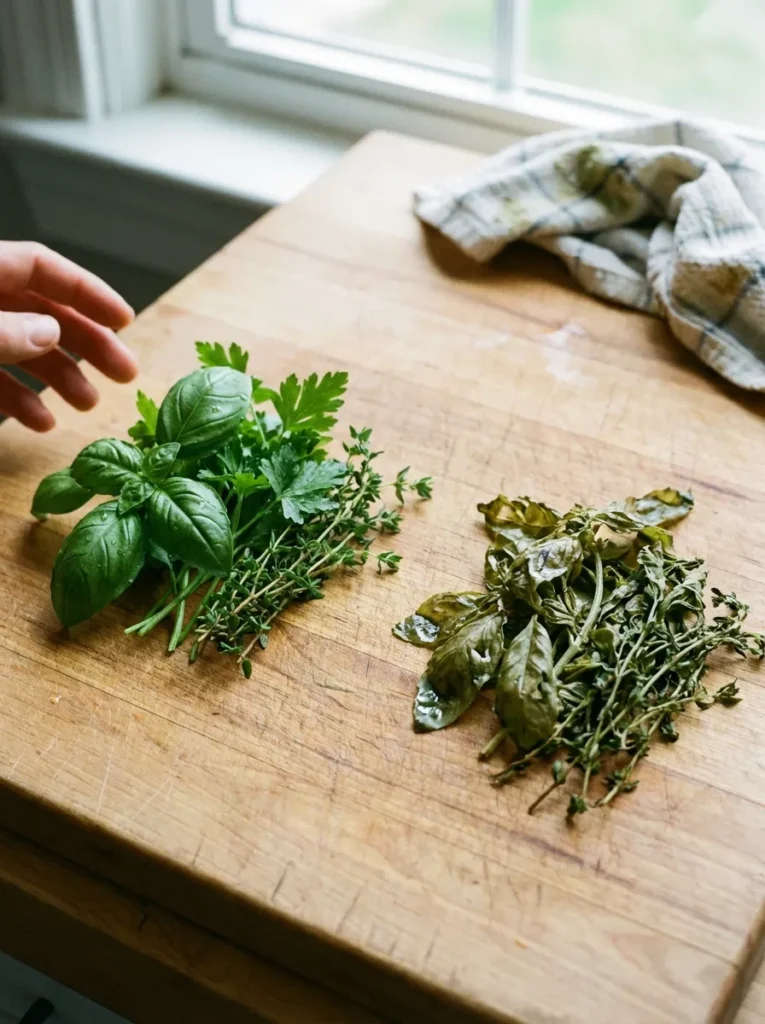
If you’re still unsure, here’s a simple way to decide.
Keep Them If
- Slight odor only
- No mold visible
- Leaves still firm
Discard Them If
- Strong unpleasant smell
- Slimy texture
- Mold present
Real-Life Scenario
You buy fresh herbs, wash them, and store them in a sealed container. After two days, they smell sour.
What happened?
Moisture got trapped, bacteria grew, and odor developed.
What should you do?
Dry thoroughly and switch to breathable storage.
FAQs
1. Why do my herbs smell bad even when fresh?
They may have been stored improperly or exposed to moisture before purchase.
2. Can I use herbs that smell slightly off?
Yes, if there is no mold or slimy texture, but use caution.
3. Why do herbs smell sour after washing?
Because they were stored wet, allowing bacteria to grow.
4. How long do fresh herbs last?
Usually 1–2 weeks with proper storage.
5. Do herbs spoil faster in hot weather?
Yes. Heat and humidity accelerate spoilage.
6. What is the best way to store herbs?
Dry them fully, wrap in paper towel, and store in a breathable container in the fridge.
7. Are dried herbs safer than fresh herbs?
They last longer and are less prone to spoilage, but they lose flavor over time.
8. Why do herbs lose their smell?
Because essential oils break down due to air, light, and heat exposure.
Conclusion
If your herbs smell bad, it usually comes down to moisture, bacteria, or poor storage. The key is not just fixing the issue but preventing it.
Start by checking for spoilage, remove damaged parts, dry your herbs properly, and store them the right way. With these simple habits, your herbs will stay fresh, aromatic, and safe to use for much longer.

Hi, I’m Rimsha, founder of Urban Bloomer 🌱
I grow herbs and plants in a small apartment and share what actually works in limited indoor spaces. Over the past few years, I’ve tested different setups, from lighting and soil to watering routines, to find simple methods that make indoor gardening easier.
Here, you’ll find practical, beginner-friendly advice based on real experience, not complicated gardening systems.