Why Are My Herb Seeds Not Germinating Indoors? (11 Common Mistakes to Fix)
You planted your herb seeds, watered them carefully, and waited… but nothing happened.
No sprouts. No green shoots. Just soil.
This is one of the most frustrating parts of indoor gardening, especially for beginners. The good news? Most germination problems come down to a few fixable mistakes.
Let’s break down exactly why your herb seeds are not germinating indoors and how to get them growing successfully.
If you’re just getting started, this beginner-friendly guide on indoor herb gardening basics can help you build a strong foundation before troubleshooting problems.
What Is Seed Germination (And Why It Fails Indoors)
Before looking at the mistakes, it helps to understand how seed germination actually works.
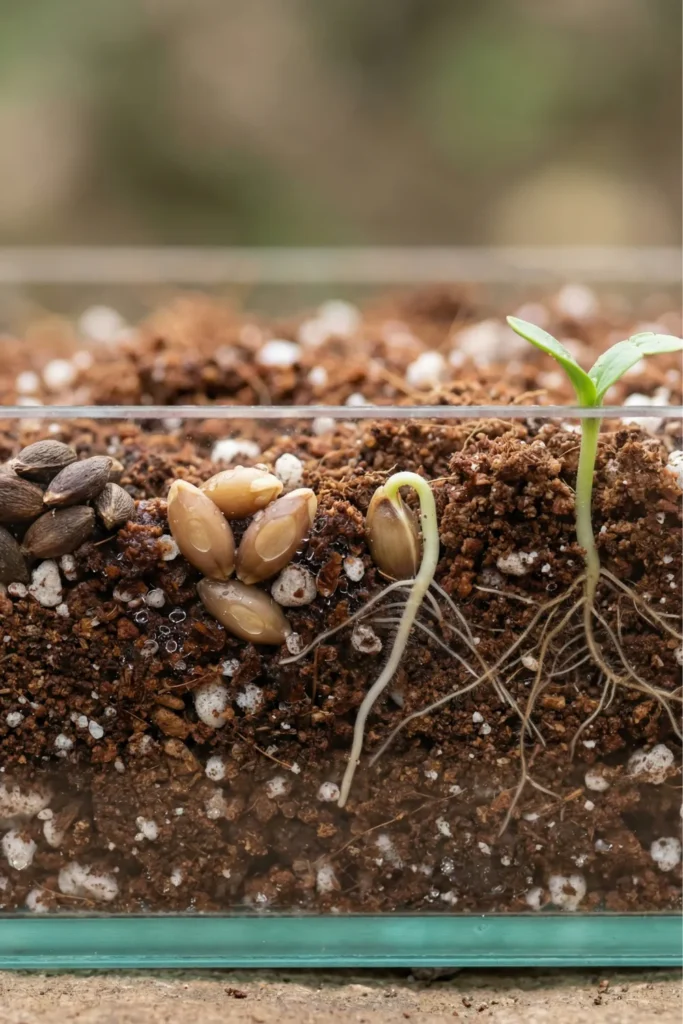
Seed germination is the process where a seed absorbs water, activates internal enzymes, and begins to grow into a seedling.
For this to happen, four conditions must be just right:
- Moisture (not too much, not too little)
- Temperature (warm enough to activate growth)
- Oxygen (from well-aerated soil)
- Light (required for many herb seedlings after sprouting)
If even one of these is off, seeds can remain dormant or die before sprouting.
I’ve found that most germination failures are not due to bad seeds, but small environmental imbalances that are easy to correct.
Understanding the right temperature and humidity for indoor herbs can make a big difference in how quickly and successfully your seeds sprout.
The 11 Most Common Reasons Herb Seeds Don’t Germinate Indoors
Now that you understand the basics, let’s go through the most common reasons seeds fail to sprout indoors.
1. Incorrect Watering (The #1 Mistake)
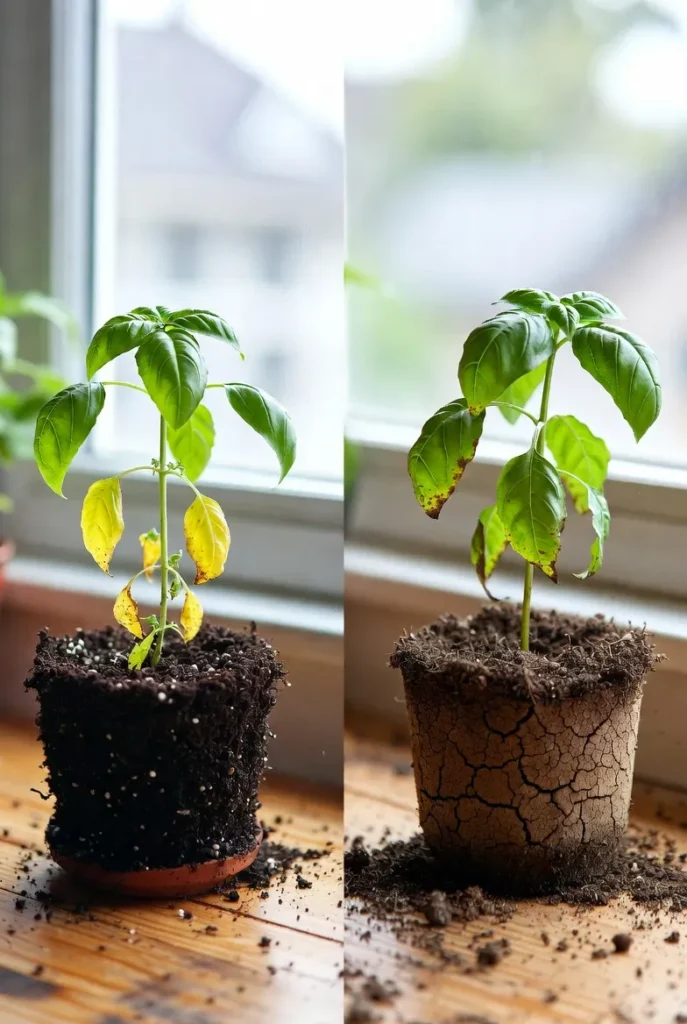
Most indoor gardeners either overwater or underwater.
- Too much water → seeds rot before sprouting
- Too little water → seeds stay dormant
The ideal condition: soil should feel like a wrung-out sponge, moist but not soggy.
Fix
Use a spray bottle instead of pouring water directly onto the soil. This keeps moisture balanced without flooding the soil.
In my experience, improper watering is the most common reason beginners struggle with indoor seed germination.
2. Temperature Is Too Low (Or Too High)
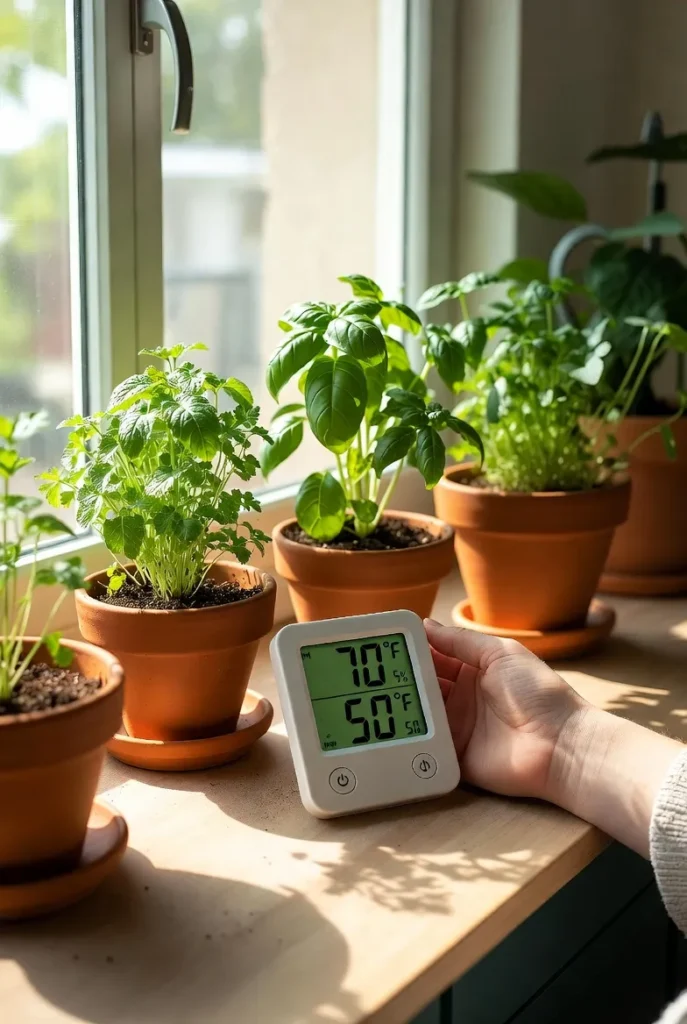
Temperature plays a critical role in seed germination.
Most herbs like:
- Basil
- Mint
- Coriander
These herbs germinate best between 18°C–24°C (65–75°F).
If your indoor space is too cold (especially in winter), seeds may never activate.
Fix
- Place trays in a warm area
- Use a heat mat if needed
- Avoid placing seeds near cold windows or drafts
3. Poor Seed Quality or Expired Seeds
Seeds don’t remain viable forever.
Old or poorly stored seeds lose viability, meaning they simply won’t sprout even under perfect conditions.
Signs of bad seeds
- No sprouting after 2+ weeks
- Uneven germination
- Very low success rate
Fix
Try a quick test
- Place seeds in a damp paper towel
- Keep warm for a few days
- If nothing sprouts, replace them
4. Planting Seeds Too Deep
This is a common but often overlooked reason seeds fail to sprout.
Seeds have limited energy. If planted too deep, they can’t reach the surface.
General Rule
- Tiny seeds → sprinkle on surface
- Medium seeds → plant 2–3× their size
- Large seeds → slightly deeper
Fix
Always check seed size before planting. When in doubt, plant shallow.
5. Using the Wrong Soil
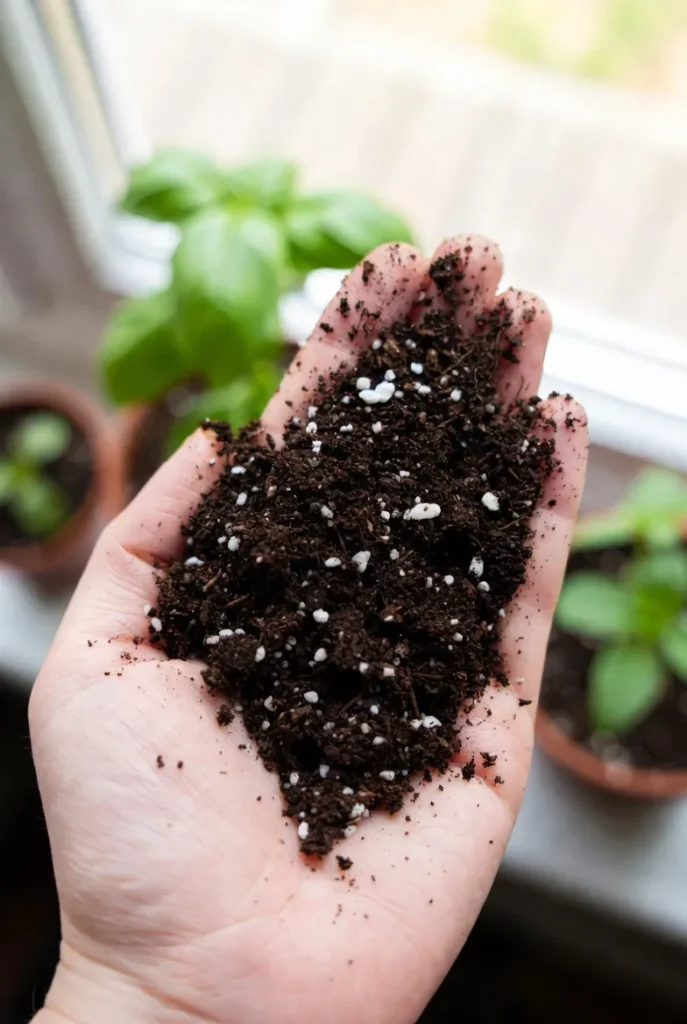
Regular garden soil is too heavy for indoor seed starting.
It can:
- Block oxygen
- Hold too much water
- Cause root suffocation
Better options
- Seed starting mix
- Coco peat
- Perlite blends
These improve drainage and aeration, which are essential for germination.
Choosing the right growing medium is crucial, and this detailed guide on best soil for indoor herbs can help you avoid common mistakes.
6. Lack of Light After Sprouting
Many seeds don’t need light to germinate, but seedlings absolutely need it to survive.
Without enough light:
- Seedlings become weak and leggy
- Growth slows or stops
- Plants may die quickly
Fix
- Place near a bright window
- Use LED grow lights (12–16 hours daily)
This becomes especially important during cloudy seasons or in low-light conditions.
7. Poor Air Circulation (Hidden Problem)
Stagnant air creates the perfect environment for:
- Mold
- Fungal infections
- Damping-off disease
This can kill seedlings right after they sprout.
Fix
- Keep air moving with a small fan
- Avoid overly humid, closed environments
- Remove humidity dome after sprouting
8. Using Tap Water with High Chlorine
In addition to these core issues, there are a few lesser-known mistakes that can quietly affect germination.
In some areas, tap water contains chlorine or salts that can affect delicate seeds.
Problem
- Slows or inhibits germination
- Damages early root development
Fix
- Let water sit for 24 hours before using
- Or use filtered/distilled water
9. Not Pre-Soaking Hard Seeds
Some herb seeds (like coriander or parsley) have hard outer shells.
Problem
- Water takes longer to penetrate
- Germination becomes slow or uneven
Fix
- Soak seeds in water for 12–24 hours before planting
10. Seed Dormancy Not Broken
Certain seeds naturally stay dormant unless specific conditions are met.
Problem
- Seeds appear “dead” but are actually inactive
Fix
- Light exposure for some seeds
- Cold treatment (stratification) if required
11. Overcrowding Seeds in One Tray
Planting too many seeds in a small space creates competition.
Problem
- Poor airflow
- Higher risk of fungal diseases
- Weak seedlings
Fix
- Space seeds evenly
- Thin seedlings after sprouting
Quick Diagnostic Guide (Fix Your Problem Fast)
If you’re unsure what’s going wrong, use this quick diagnostic guide to identify the issue.
Problem | Cause | Quick Fix |
|---|---|---|
No sprouts at all | Cold temperature or bad seeds | Increase warmth, test seeds |
Seeds rot | Overwatering | Reduce water, improve drainage |
Seeds dry out | Underwatering | Mist soil regularly |
Weak seedlings | Low light | Add grow lights |
Seedlings die early | Fungal disease | Improve airflow |
Ideal Conditions for Indoor Herb Germination
Factor | Ideal Range |
|---|---|
Temperature | 18–24°C |
Moisture | Evenly moist |
Light | 12–16 hours (after sprouting) |
Soil | Light, well-draining mix |
Airflow | Gentle circulation |
I recommend sticking to a consistent setup rather than making random changes, as seeds respond best to stable conditions.
Step-by-Step: How to Germinate Herb Seeds Successfully Indoors
Once you’ve identified the problem, follow this simple process to improve your success rate.
Step 1: Choose Fresh Seeds
Always start with high-quality, viable seeds.
Step 2: Use the Right Soil
Avoid heavy soil, use a seed-starting mix.
Step 3: Plant at Correct Depth
Shallow planting works best for most herbs.
Step 4: Water Gently
Mist instead of pouring water.
Step 5: Keep Warm
Maintain consistent warmth (not cold drafts).
Step 6: Provide Light After Sprouting
Move seedlings to bright light immediately.
Step 7: Ensure Airflow
Prevent mold and disease with ventilation.
Common Beginner Mistakes (Checklist)
✔ Overwatering the soil
✔ Using garden soil indoors
✔ Ignoring temperature conditions
✔ Planting seeds too deep
✔ Using old or low-quality seeds
✔ Not providing enough light
✔ Keeping seeds in sealed, humid containers
Avoiding these issues early on can save time, and understanding common indoor herb growing mistakes in more detail will help you grow healthier plants.
What If Your Seeds Still Don’t Germinate?
If nothing is working, don’t panic, try these recovery methods.
1. Pre-Germination Method
Use a damp paper towel to sprout seeds before planting.
2. Restart With Better Conditions
Sometimes it’s faster to start fresh than troubleshoot endlessly.
3. Switch to Easy Herbs
Start with beginner-friendly options like:
- Basil
- Mint
- Coriander
These have higher germination success rates.
Tools That Make Indoor Germination Easier
You don’t need expensive equipment, but a few tools help a lot:
Basic Tools:
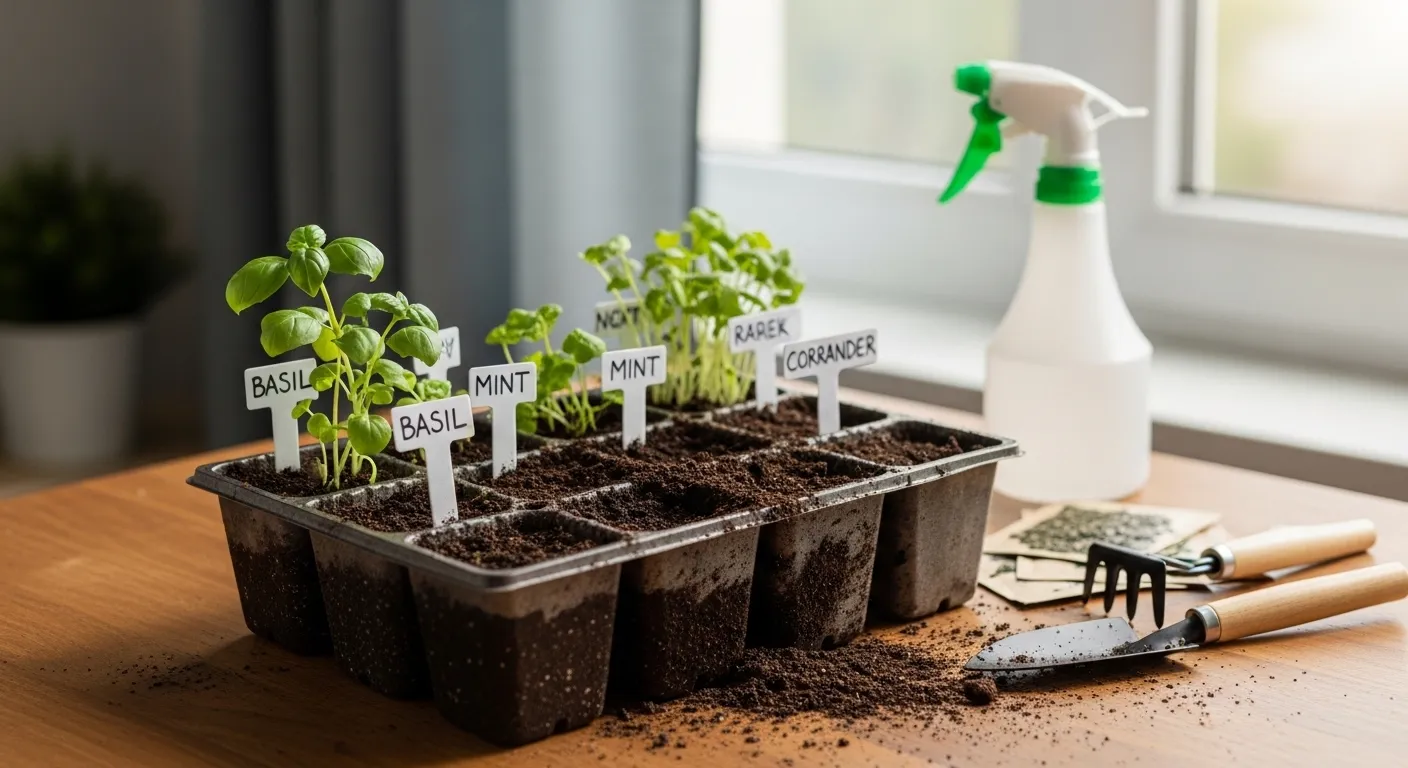
- Seed trays with drainage
- Spray bottle
- Seed-starting mix
Optional Upgrades:
- LED grow lights
- Heat mats
- Humidity domes
These tools improve control over your growing environment.
Real-World Example
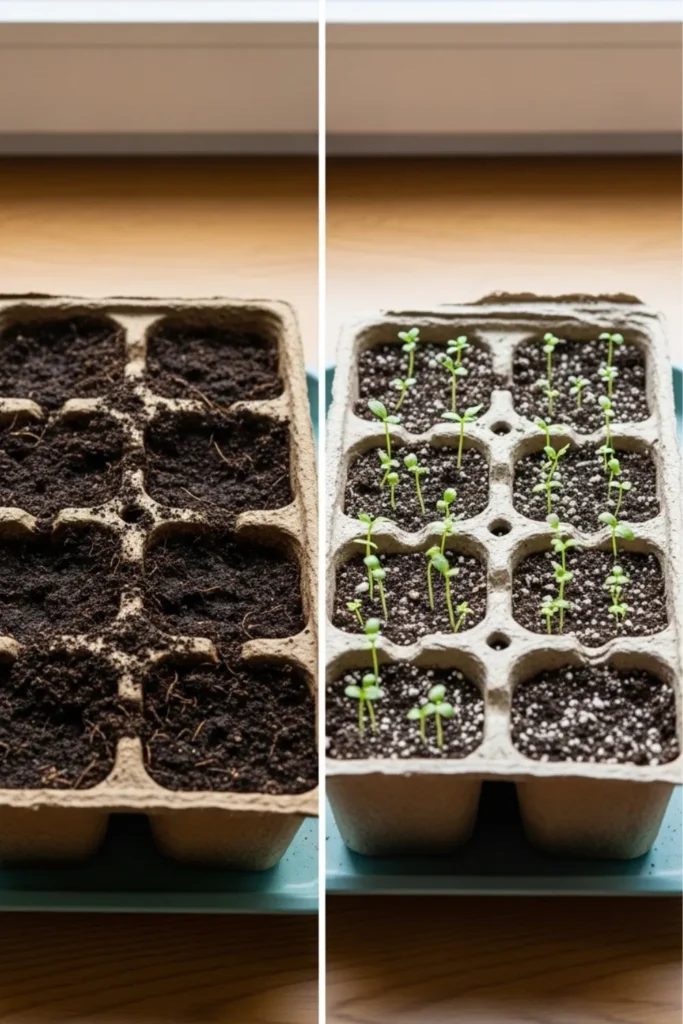
A beginner plants basil seeds in regular garden soil, waters daily, and keeps them near a window.
After 10 days, there were no sprouts.
What went wrong?
- Soil too heavy
- Overwatering
- Temperature fluctuations
Fix applied:
- Switched to coco peat mix
- Used spray watering
- Moved to a warmer spot
Result: seeds sprouted within 5 days.
When Should You Give Up and Replant?
If you see no germination after:
- 10–14 days (for most herbs)
- Even with proper conditions
It’s usually better to restart with fresh seeds and corrected setup.
FAQs
1. Why are my herb seeds not germinating indoors?
The most common reasons are improper watering, low temperature, poor soil, lack of light, or old seeds.
2. How long do herb seeds take to germinate?
Most herbs germinate within 5 to 14 days, depending on the type and conditions.
3. Can overwatering stop seeds from growing?
Yes. Overwatering can cause seeds to rot or develop fungal diseases before they sprout.
4. Do seeds need sunlight to germinate?
Some seeds do, but most need light immediately after sprouting for healthy growth.
5. Why do my seeds sprout and then die?
This is often caused by damping-off disease, poor airflow, or excessive moisture.
6. What is the best soil for indoor seed starting?
A light, well-draining seed-starting mix with materials like coco peat and perlite works best.
7. How can I speed up seed germination?
Maintain warm temperatures, consistent moisture, and use pre-germination methods like the paper towel technique.
8. Are grow lights necessary for indoor herbs?
They are highly recommended, especially in low-light conditions or during winter months.
Conclusion
If your herb seeds are not germinating indoors, the issue is almost always environmental, not your ability.
Focus on getting these basics right:
- Balanced moisture
- Proper temperature
- Good soil
- Adequate light
- Healthy seeds
Once these conditions are in place, germination becomes predictable and much easier.
Start small, adjust as you go, and you’ll quickly move from frustration to a thriving indoor herb garden.