Mold on Indoor Herbs? Simple Ways to Prevent It
One morning, you look at your basil plant and notice something unusual.
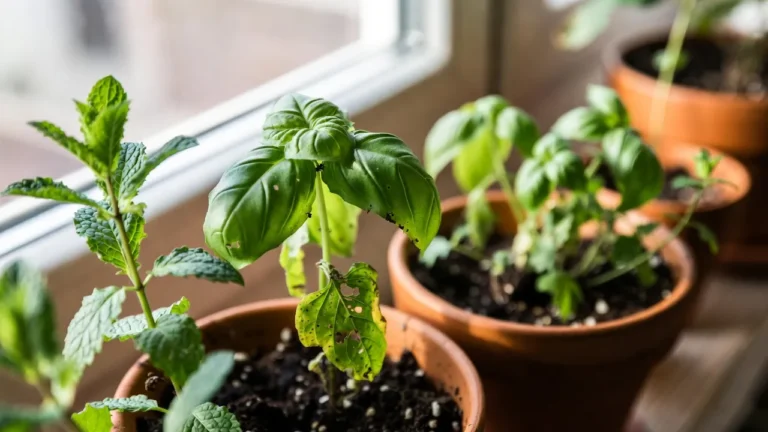
A thin white layer is spreading across the soil. A few leaves have powdery spots. The plant looks weaker than yesterday.
This is often the first sign that mold or fungal growth is beginning to develop.
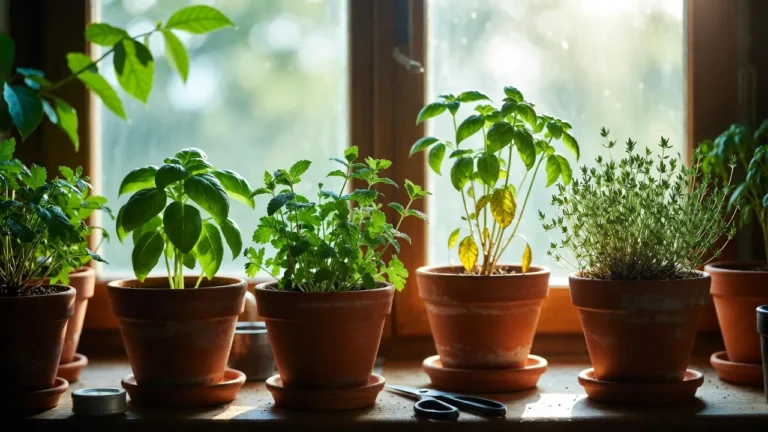
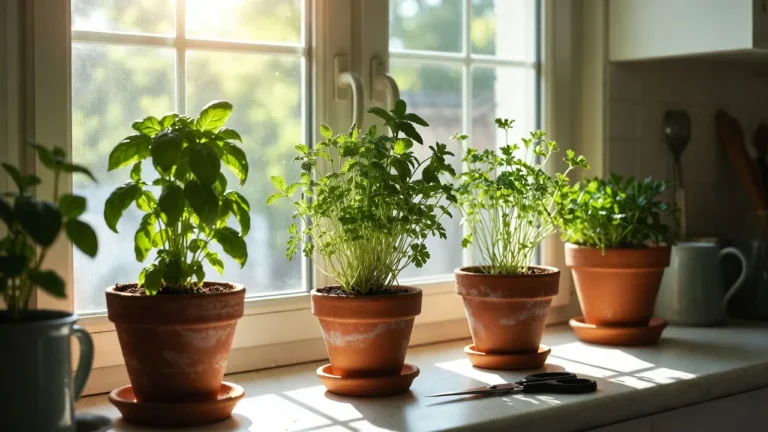
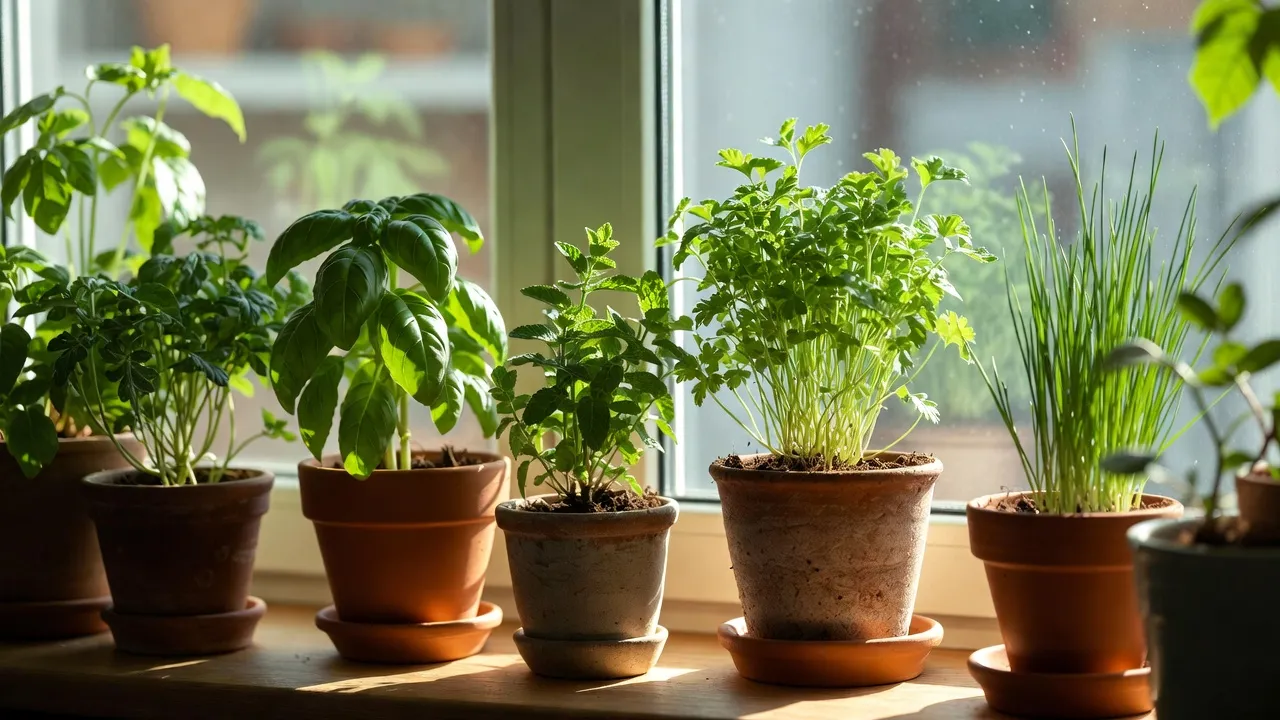
Indoor herbs such as basil, mint, parsley, rosemary, thyme, and cilantro grow well on windowsills and kitchen counters. But warm indoor environments can also create ideal conditions for mold spores and fungal diseases.
The good news is that mold problems are usually preventable.
With the right watering habits, airflow, and soil care, you can keep your herbs healthy and avoid common fungal issues like powdery mildew, root rot, and gray mold (Botrytis).
Why Mold and Fungi Grow on Indoor Herbs
Mold and fungi grow when three conditions come together:
- Excess moisture
- Poor airflow
- Warm temperatures
Indoor herb gardens often provide all three.
Plant pathologists note that most indoor fungal issues are not caused by the fungus itself but by environmental conditions that allow spores to multiply. Managing moisture and airflow is therefore the most effective long-term prevention strategy.
When potting soil stays wet for long periods, fungal spores in the air settle on the surface and begin growing. These spores are microscopic microorganisms that naturally exist in the environment.
Common causes of fungal growth include:
- Overwatering herbs
- Pots without drainage holes
- Humid indoor air
- Crowded plants
- Low sunlight
Among these, overwatering is the most common reason mold develops in indoor plants.
Signs Your Indoor Herbs Have Mold or Fungal Disease
Fungal infections rarely appear suddenly. Plants usually show early warning signs.
Look for these symptoms:
- White fuzzy mold on soil
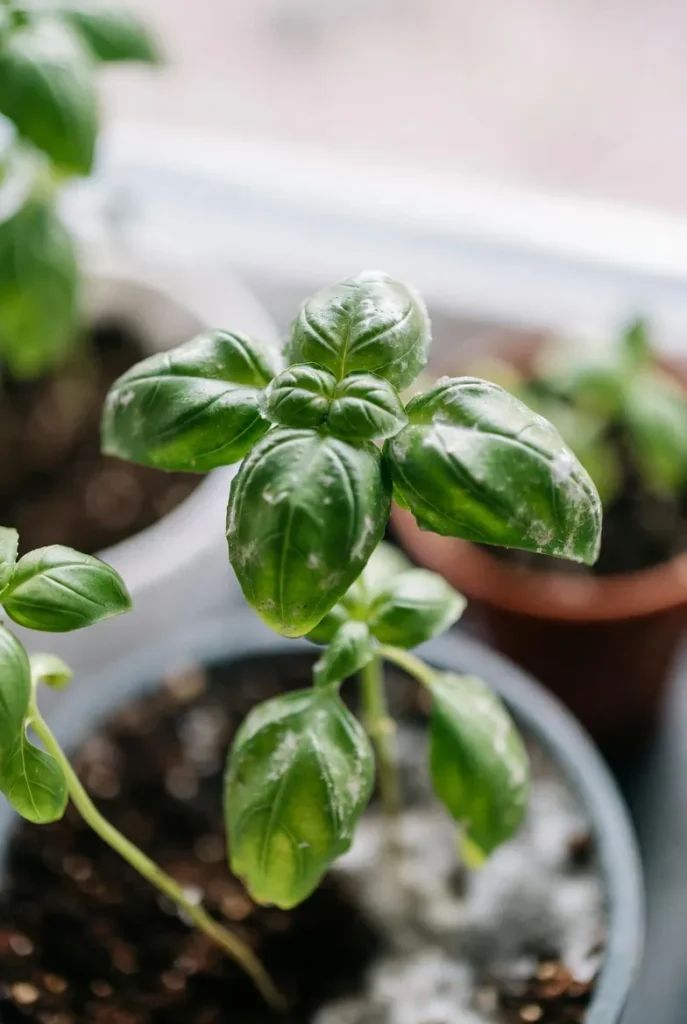
- Powdery white spots on leaves
- Yellow or spotted leaves
- Black or brown stem spots
- Slow plant growth
- Musty smell near pots
These symptoms may indicate fungal diseases such as powdery mildew, root rot, or Botrytis gray mold.
Checking plants weekly helps detect problems early.
Common Fungal Problems in Indoor Herbs
When moisture and airflow problems persist, indoor herbs can develop several types of fungal diseases.
Fungal Problem | Typical Symptoms | Common Herbs Affected |
|---|---|---|
Powdery mildew | White powder on leaves | Basil, mint |
Root rot | Dark, soft roots | Parsley, cilantro |
Botrytis (gray mold) | Fuzzy gray patches | Basil, thyme |
Soil mold | White growth on soil surface | Most container herbs |
Powdery Mildew
Powdery mildew appears as white powder-like patches on leaves.
It often develops when humidity is high and airflow is limited.
Basil and mint are particularly vulnerable.
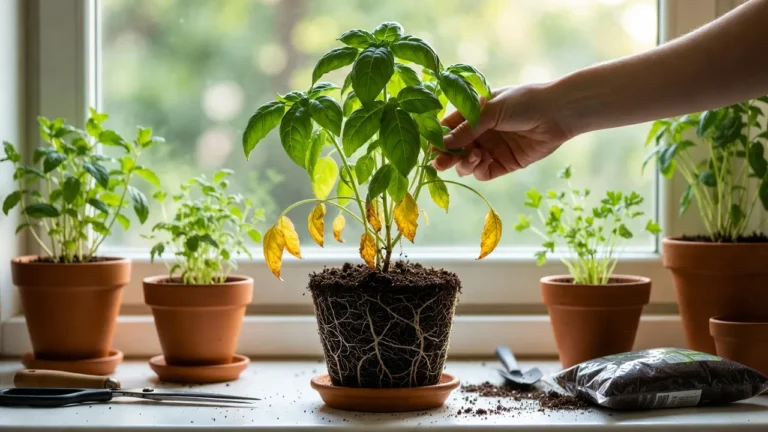
Root Rot
Root rot occurs when plant roots remain in waterlogged soil.
Fungi attack the roots, preventing the plant from absorbing nutrients and water.
Signs include:
- drooping leaves
- yellowing foliage
- foul-smelling soil
According to horticulture specialists, root rot is one of the most common causes of indoor herb failure because roots deprived of oxygen quickly become vulnerable to fungal pathogens.
Botrytis (Gray Mold)
Botrytis is a fungus that produces soft gray fuzzy growth on plant tissue.
It spreads quickly in humid indoor environments.
Removing infected plant material early helps stop the spread.
Why Preventing Mold Matters
Mold is more than a cosmetic problem.
Fungal infections can:
- weaken plant growth
- damage leaves and stems
- spread to nearby plants
- destroy seedlings
In severe cases, mold can kill indoor herbs completely.
Prevention protects both plant health and harvest quality.
Fortunately, preventing fungal problems is much easier than treating them after they appear.
Step-by-Step Guide to Prevent Mold and Fungi in Indoor Herbs
The best way to deal with mold is to stop it before it starts.
Follow these simple steps.
1. Water Herbs Correctly
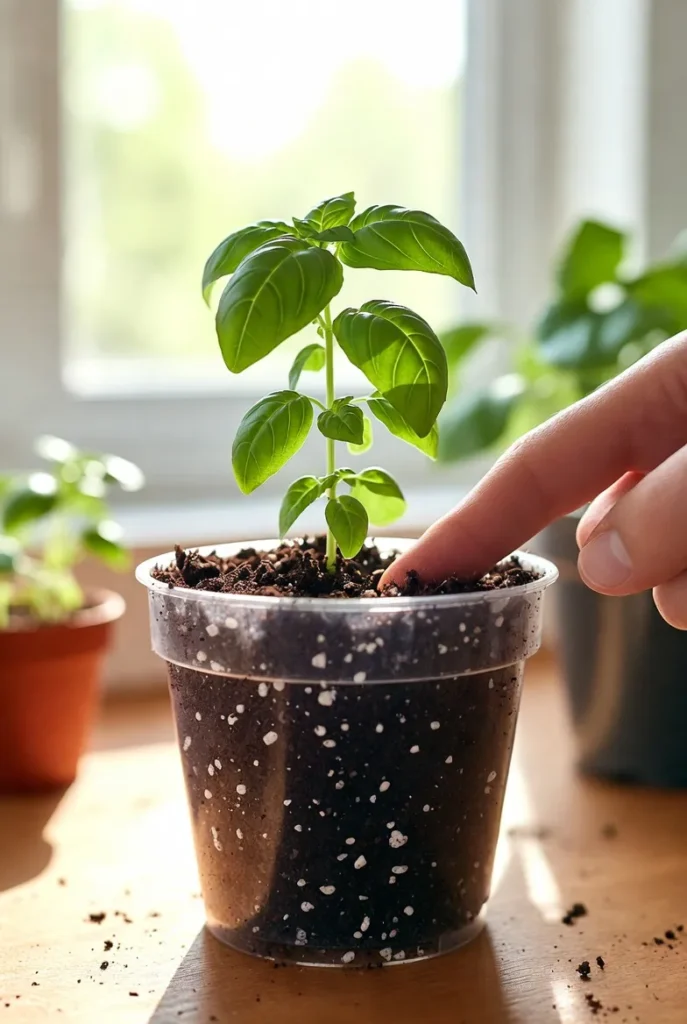
Most indoor herbs prefer soil that dries slightly between watering.
A simple method:
- Touch the top inch of soil.
- If it feels dry, water the plant.
- If it feels damp, wait another day.
Constantly wet soil creates an ideal environment for fungal spores to grow and spread.
Many fungal problems start with watering mistakes. This beginner-friendly guide on how to water indoor herbs properly explains how often herbs actually need water indoors.
2. Choose Well-Draining Potting Soil
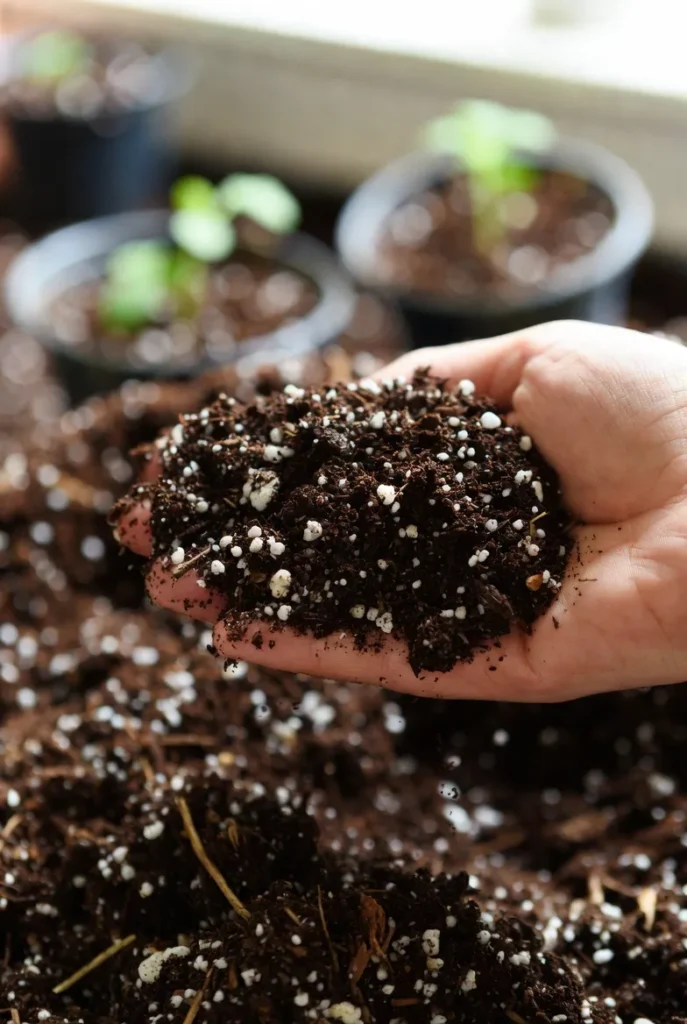
Healthy soil helps prevent mold.
Good potting mixes contain materials that allow water to drain quickly.
Look for mixes containing:
- coco coir or peat moss
- perlite
- compost
Avoid using garden soil from outdoors, which can introduce fungi and pests.
The type of potting mix you use strongly affects moisture control in containers. This guide on choosing soil for indoor herbs explains which materials improve drainage and support strong root growth.
3. Use Pots With Drainage Holes
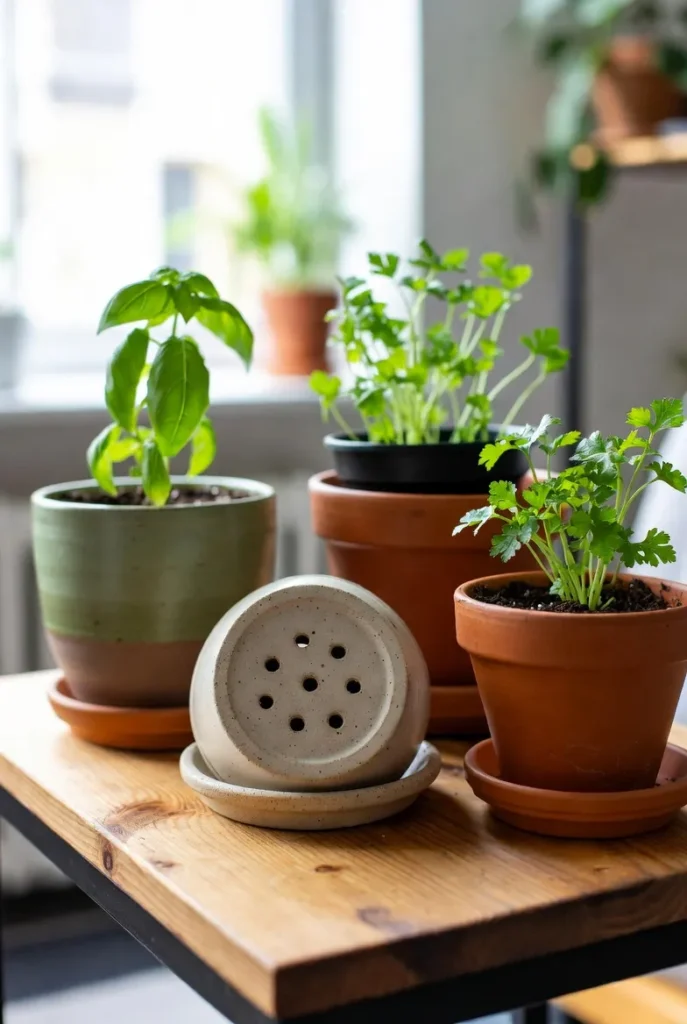
Containers must allow excess water to escape.
Without drainage holes, water collects at the bottom of the pot and creates the perfect environment for root rot fungi.
Container design also affects moisture levels. This guide on how to choose the best containers for indoor herbs explains why drainage holes and pot material matter for healthy roots.
4. Improve Air Circulation
Airflow is one of the most effective ways to prevent fungal diseases.
Simple ways to improve airflow include:
- spacing plants apart
- opening windows occasionally
- using a small circulation fan
- avoiding crowded shelves
Moving air dries plant surfaces and prevents fungal spores from growing.
5. Provide Enough Light
Sunlight naturally reduces moisture on plant leaves and soil.
Most herbs require 6–8 hours of light daily.
If natural sunlight is limited, many gardeners use LED grow lights to maintain healthy plant growth.
In indoor gardening research, adequate light is consistently linked with stronger plant immunity and lower rates of fungal disease.
If your windows do not get enough sunlight, artificial lighting can help your herbs thrive. This guide to choosing thebest grow lights for indoor herbs explains how to provide the right light intensity indoors.
6. Remove Dead Plant Material
Dead leaves and stems are ideal places for fungi to grow.
Use clean pruning scissors to remove:
- yellow leaves
- damaged stems
- fallen plant debris
Keeping plants clean reduces fungal spread.
Even with good care, small fungal outbreaks can occasionally appear. Fortunately, several natural treatments can control early infections without harming edible herbs.
Natural Ways to Stop Fungal Growth
If mold begins to appear, natural treatments can help control it.
Neem Oil
Neem oil is a natural plant extract from the Azadirachta indica tree.
It helps prevent fungal spores from spreading on leaves.
Light applications every few days can help control early infections.
Baking Soda Spray
A mild baking soda solution changes the pH on leaf surfaces, making it harder for fungi to grow.
Many gardeners use it for powdery mildew treatment.
Cinnamon
Cinnamon powder contains natural antifungal compounds.
Sprinkling a small amount on soil can slow fungal growth.
Hydrogen Peroxide Soil Treatment
Hydrogen peroxide can help eliminate fungi in soil.
Mix:
- 1 part 3% hydrogen peroxide
- 4 parts water
Water the soil lightly with the mixture.
It releases oxygen that helps reduce harmful microorganisms.
Chamomile Tea Spray
Chamomile naturally contains mild antifungal compounds that can help suppress mold growth on plant leaves.
To use it:
- Brew a cup of chamomile tea.
- Allow it to cool completely.
- Pour the tea into a spray bottle.
- Lightly mist the leaves and soil surface.
This treatment can be used occasionally to reduce fungal spores on plants.
Improve Soil Aeration With Perlite
Compacted soil holds moisture longer and encourages fungal growth.
Adding perlite improves soil aeration and drainage, which helps prevent mold.
Benefits of perlite:
- Increases oxygen around roots
- Reduces excess moisture retention
- Improves overall soil structure
Many indoor herb potting mixes already contain perlite for this reason.
Use Bottom Watering Instead of Top Watering
Watering from the top can leave leaves and soil surfaces damp, which may encourage mold.
Bottom watering keeps plant surfaces dry.
How to do it:
- Place the pot in a shallow tray of water.
- Let the plant absorb moisture through the drainage holes.
- Remove the pot after 10–15 minutes.
This method hydrates roots while reducing fungal risk.
Use Fresh Potting Soil Each Season
Old soil can accumulate fungal spores over time.
When starting a new herb plant, use fresh sterile potting mix instead of reusing old soil.
Fresh soil reduces the chance of introducing mold spores or plant diseases.
Rotate Plants Occasionally
Plants that remain in the same position may receive uneven light and airflow.
Rotating pots every few days helps expose all sides of the plant to light and air.
This reduces damp spots where fungi often develop.
What to Do If Mold Appears on Indoor Herbs
If prevention steps fail and mold still appears, quick intervention can often save the plant.
Follow these steps:
- Remove infected leaves immediately.
- Allow the soil to dry slightly.
- Increase airflow around the plant.
- Apply a natural antifungal treatment.
- Isolate the plant from others if needed.
Early treatment usually saves the plant.
While mold is common indoors, herbs can also attract insects in warm environments. This guide to common pests in indoor herbs and how to remove them naturally explains how to identify and control indoor herb pests.
Common Mistakes That Cause Mold in Indoor Herbs
Many mold problems result from simple gardening mistakes.
The most common include:
- watering herbs too often
- growing plants in low light
- using containers without drainage
- overcrowding plants
- ignoring early signs of disease
Correcting these habits can eliminate most mold issues.
Tools That Help Prevent Mold
Several simple tools make indoor herb care easier.
Tool | Purpose |
|---|---|
Moisture meter | Helps prevent overwatering |
Small fan | Improves airflow |
Pruning scissors | Removes infected leaves |
Drainage trays | Prevents water buildup |
These tools support better plant care and healthier growing conditions.
Quick Mold Prevention Checklist
Use this checklist to keep herbs mold-free.
✔ Water only when soil begins to dry
✔ Use well-draining potting mix
✔ Ensure pots have drainage holes
✔ Provide adequate light
✔ Space plants apart
✔ Remove dead plant material
✔ Inspect herbs weekly
Consistent care prevents most fungal problems.
FAQs
1. Why does mold grow on indoor herbs?
Mold usually appears when soil remains wet and air circulation is poor. Excess moisture allows fungal spores to grow on leaves or soil surfaces.
2. Is white mold on herb soil harmful?
Soil mold often indicates too much moisture. It may not immediately harm the plant, but it signals conditions that could lead to fungal disease.
3. Can indoor herbs recover from fungal infections?
Yes. If detected early, removing infected leaves and improving airflow often allows herbs to recover.
4. How do I stop powdery mildew on basil?
Remove affected leaves, increase air circulation, and apply natural treatments like neem oil or baking soda spray.
5. Should moldy herbs be thrown away?
Light mold on leaves can often be removed. However, heavily infected plants may need to be discarded to protect nearby herbs.
6. Can mold spread between indoor plants?
Yes. Mold spores travel through air and water, so infections can spread quickly between plants placed close together.
7. Does sunlight prevent mold?
Sunlight helps dry plant surfaces and reduce humidity, making it harder for fungi to grow.
8. What herbs are most sensitive to fungal disease?
Basil and mint are more prone to powdery mildew, especially in humid indoor environments.
Conclusion
Mold and fungi are common challenges in indoor herb gardening, but they are usually easy to prevent.
Most fungal problems begin with excess moisture and poor airflow. By improving watering habits, using well-draining soil, and providing good light and ventilation, you can stop mold before it starts.
Healthy indoor herbs thrive in balanced conditions.
When plants receive proper care, they become more resilient to fungal diseases like powdery mildew, root rot, and Botrytis, allowing your indoor herb garden to stay productive and vibrant year-round.