10 Easy Ways to Store Fresh Herbs and Keep Them Fresh Longer
Fresh herbs can transform everyday meals. A handful of basil in pasta, cilantro in salsa, or rosemary on roasted vegetables adds flavor that dried herbs often can’t match.
The frustrating part is how quickly they spoil.
The good news is that herbs usually spoil early because of improper storage, not because they are delicate. With the right techniques, many herbs can stay fresh one to three weeks longer.
This guide explains 10 easy ways to store fresh herbs, how different herbs should be handled, and the simple habits that help keep them fresh longer.
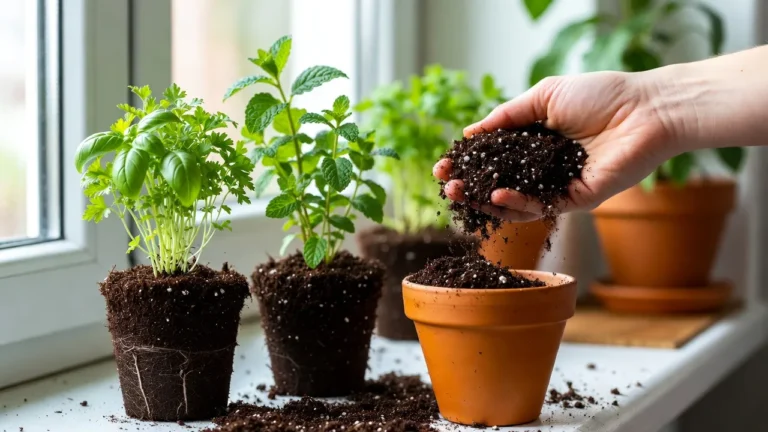
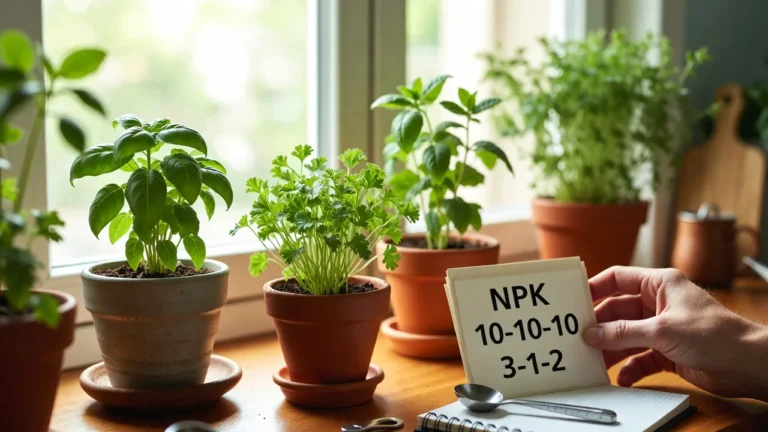
Strong, healthy herbs usually start with good soil, which is one of the most important foundations for indoor herb gardening.
Why Fresh Herbs Spoil Quickly
Fresh herbs start deteriorating as soon as they are harvested. Several natural processes affect their freshness:
- Moisture loss causes leaves to wilt
- Exposure to oxygen speeds up aging
- Excess moisture encourages bacteria and mold
- Temperature changes damage delicate leaves
Herbs also contain aromatic essential oils that are responsible for their distinctive flavor and aroma.
Poor storage conditions cause these oils to evaporate or break down.
Proper storage slows these natural processes and helps herbs retain both their freshness and flavor for a longer period.
Food preservation specialists often recommend preparing herbs for storage immediately after harvesting them.
According to post-harvest food storage research, reducing excess moisture and improving airflow are two of the most effective ways to extend herb freshness.
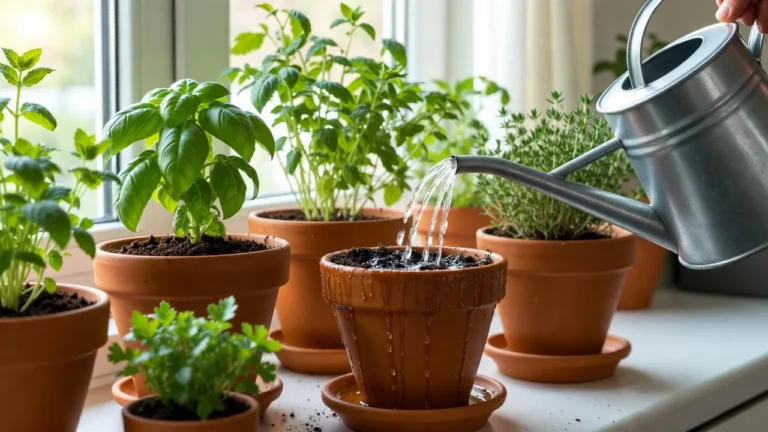
If you grow herbs at home, watering habits also influence how long harvested herbs stay fresh.
Soft Herbs vs Hardy Herbs: Why It Matters
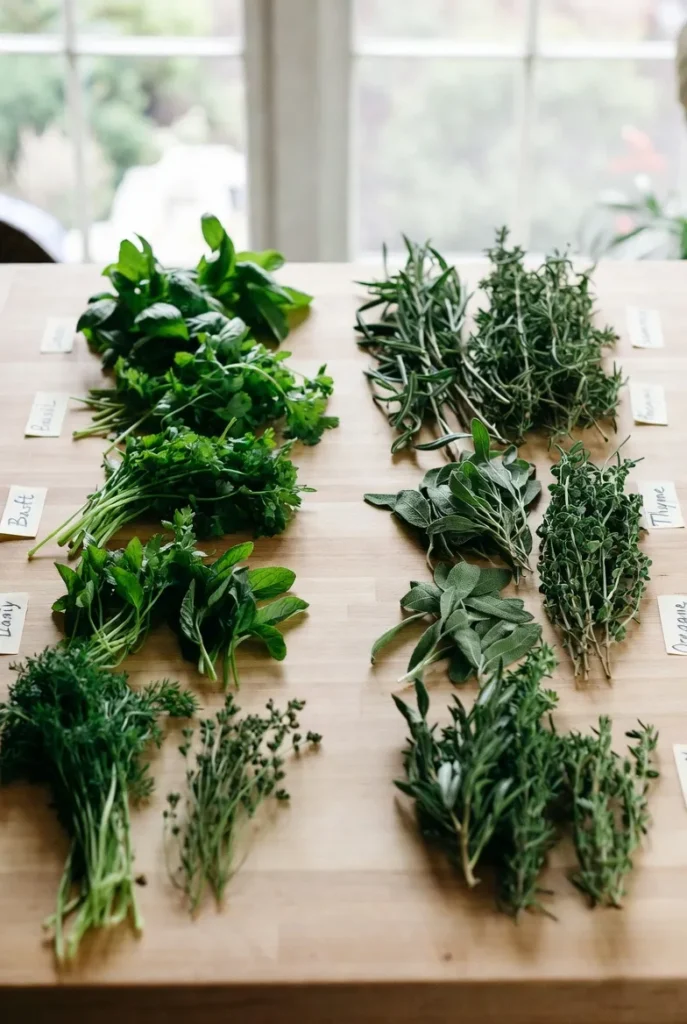
Not all herbs should be stored the same way. Understanding the difference between soft herbs and hardy herbs helps you choose the best storage method.
Herb Type | Examples | Best Storage Approach |
|---|---|---|
Soft herbs | Basil, cilantro, parsley, mint, dill | Store upright in water |
Semi-soft herbs | Tarragon, chives | Damp paper towel method |
Hardy herbs | Rosemary, thyme, sage, oregano | Refrigerate wrapped |
Soft herbs have tender stems and high moisture content, so they behave like cut flowers.
Hardy herbs have woody stems and tougher leaves, which means they last longer when wrapped and refrigerated.
10 Easy Ways to Store Fresh Herbs
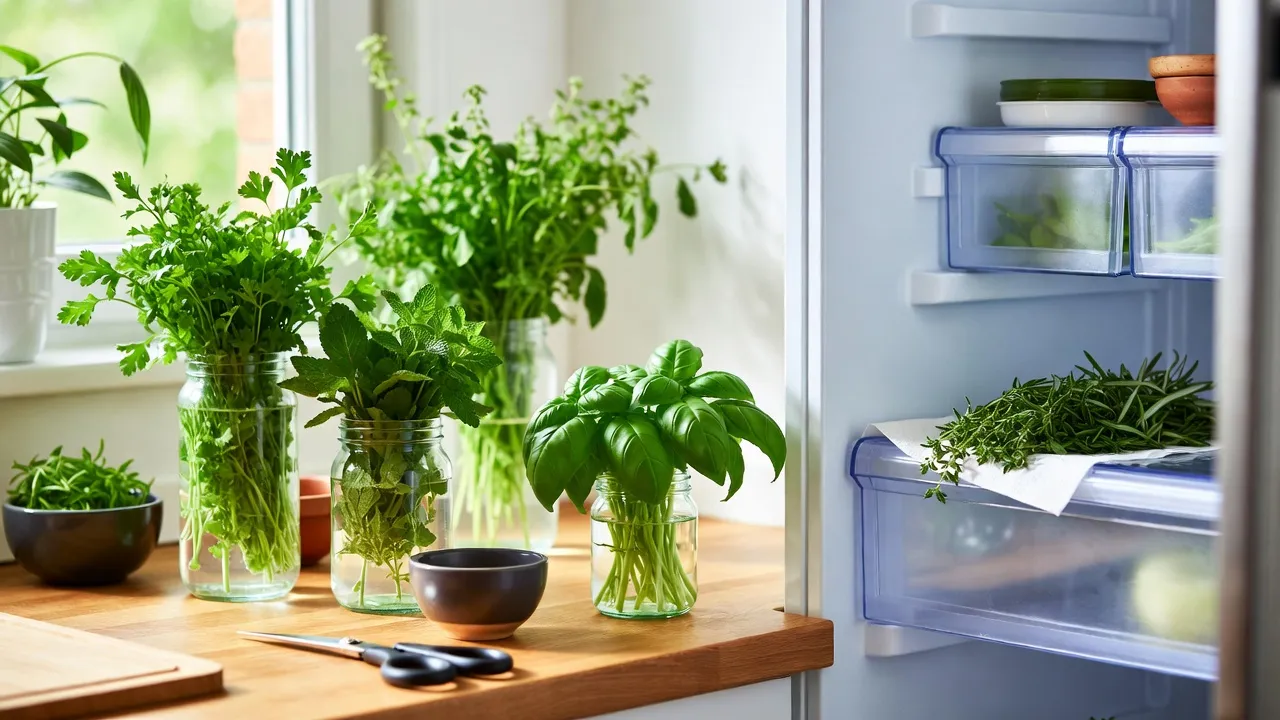
1. Store Herbs Like a Bouquet in Water
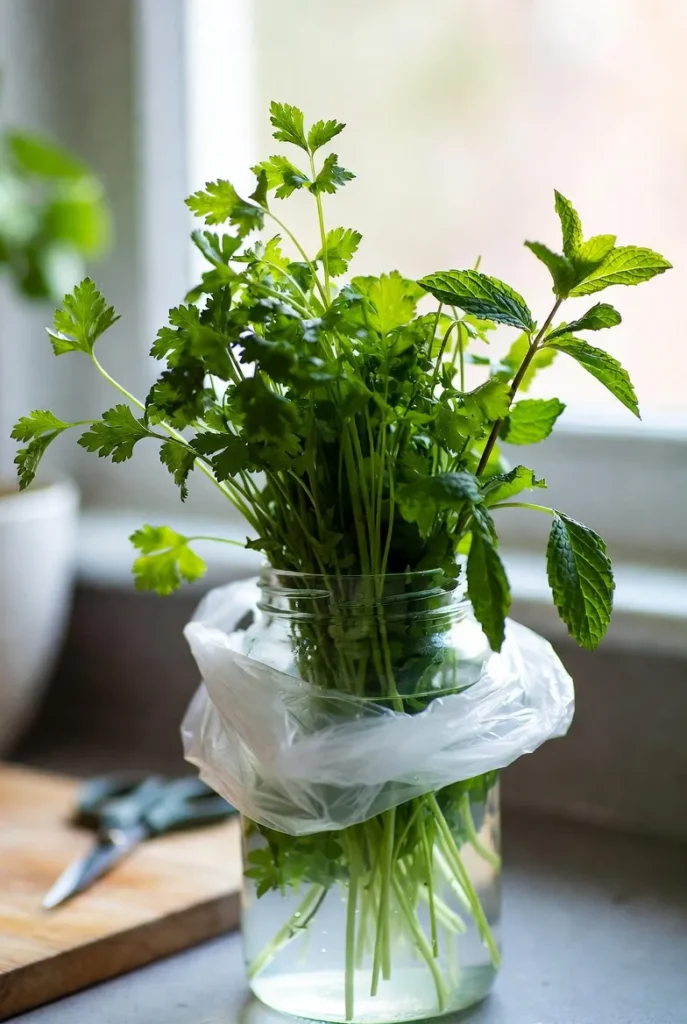
This is one of the easiest and most effective ways to store parsley, cilantro, and mint.
How to do it
- Trim about 1–2 cm from the herb stems
- Fill a glass jar with a small amount of water
- Place herbs upright like a bouquet
- Cover loosely with a plastic bag
- Store in the refrigerator
This method keeps stems hydrated and prevents leaves from drying out.
Many professional kitchens use this technique because it maintains freshness and airflow at the same time.
2. Wrap Herbs in a Damp Paper Towel
This method works especially well for rosemary, thyme, oregano, and sage.
Steps
- Lightly dampen a paper towel
- Place herbs inside the towel
- Wrap loosely
- Store in an airtight container or zip bag in the refrigerator
The damp towel keeps herbs hydrated without trapping too much moisture.
3. Store Herbs in the Refrigerator Crisper Drawer
The crisper drawer in most refrigerators maintains higher humidity, which helps prevent herbs from drying out.
Herbs that store well this way include:
- parsley
- cilantro
- dill
- chives
Keep herbs loosely arranged to allow some airflow.
4. Keep Basil at Room Temperature
Basil is sensitive to cold temperatures. Refrigeration can damage its leaves and cause them to turn black.
Instead:
- Place basil stems in a jar of water
- Keep the jar on the kitchen counter
- Avoid direct sunlight or heat
This simple technique often keeps basil fresh for about a week.
5. Use Herb Storage Containers
Specialized herb keeper containers help control moisture and airflow.
These containers are designed to:
- prevent crushing
- maintain humidity
- protect delicate leaves
They are useful for storing herbs like parsley, cilantro, and dill in the refrigerator.
Even simple airtight containers with ventilation can help extend herb shelf life.
6. Freeze Herbs in Ice Cube Trays
Freezing herbs preserves flavor for months and works well when you have extra herbs.
How to freeze herbs
- Chop the herbs
- Place them in ice cube trays
- Add water or olive oil
- Freeze until solid
- Transfer cubes to freezer bags
These frozen herb cubes are perfect for soups, sauces, and stir-fries.
Herbs that freeze well include:
- basil
- parsley
- cilantro
- chives
- dill
7. Freeze Whole Herb Leaves
Another simple freezing method is storing whole leaves.
Steps
- Wash herbs gently
- Dry them completely
- Place them in freezer bags
- Remove excess air before sealing
Frozen leaves become fragile and can easily be crushed directly into dishes during cooking.
Unlike drying, which slowly removes moisture and can reduce some of the herb’s volatile oils, freezing helps preserve much of the herb’s original flavor. This is why frozen herbs often work better in cooked dishes such as soups, sauces, and stews.
8. Dry Herbs for Long-Term Storage
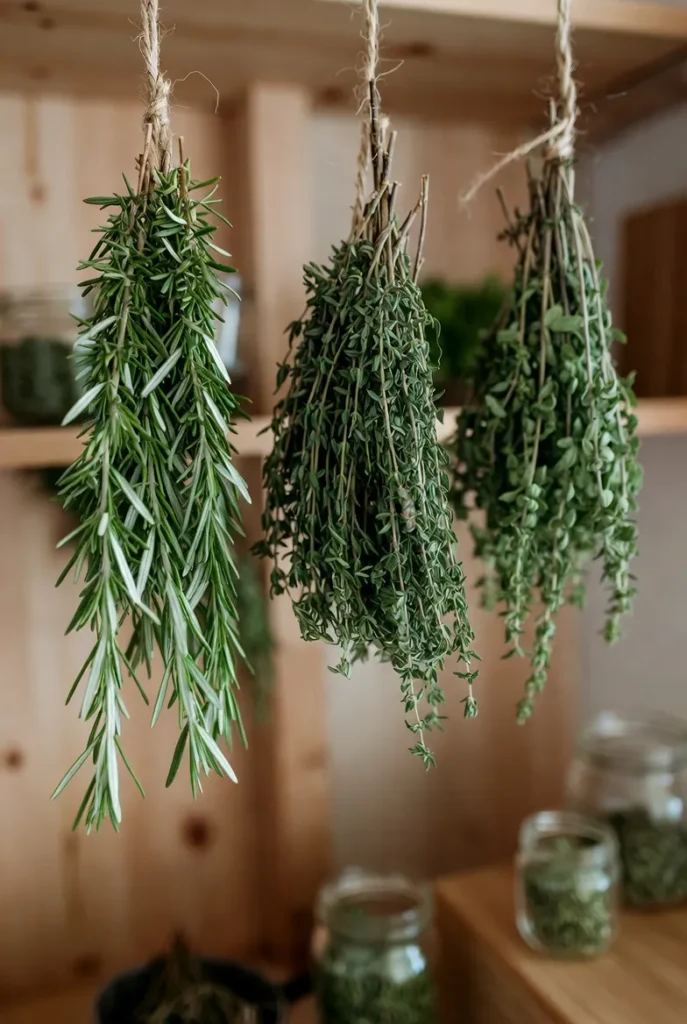
Drying herbs is one of the oldest food preservation techniques.
Hardy herbs like rosemary, thyme, oregano, and sage dry particularly well.
Simple air-drying method
- Tie herb stems into small bundles
- Hang them upside down in a dry area
- Allow them to dry for about 1–2 weeks
- Store dried leaves in airtight jars
Dried herbs typically stay usable for 6–12 months when stored away from heat and light.
9. Store Herbs with Beeswax Wraps
Reusable beeswax wraps are an eco-friendly alternative to plastic.
They help maintain moisture while still allowing herbs to breathe.
This works well for:
- parsley
- cilantro
- leafy herbs
Simply wrap the herbs loosely and store them in the refrigerator.
10. Vacuum Seal Herbs
Vacuum sealing removes oxygen, which slows the natural deterioration of herbs.
This method is often used in professional kitchens and for bulk storage.
Tools include:
- vacuum sealers
- reusable vacuum containers
When done properly, vacuum sealing can extend freshness significantly.
However, herbs should still be dry and undamaged before sealing.
How Long Do Fresh Herbs Last?
Different herbs naturally have different shelf lives.
Herb | Average Freshness |
|---|---|
Basil | 5–7 days |
Parsley | 10–14 days |
Cilantro | 7–10 days |
Mint | 10–14 days |
Rosemary | 14–21 days |
Thyme | 14–21 days |
Sage | 14–21 days |
These timeframes depend on storage conditions, herb quality, and handling.
Results can vary based on the kitchen environment.
Signs Fresh Herbs Are Starting to Spoil
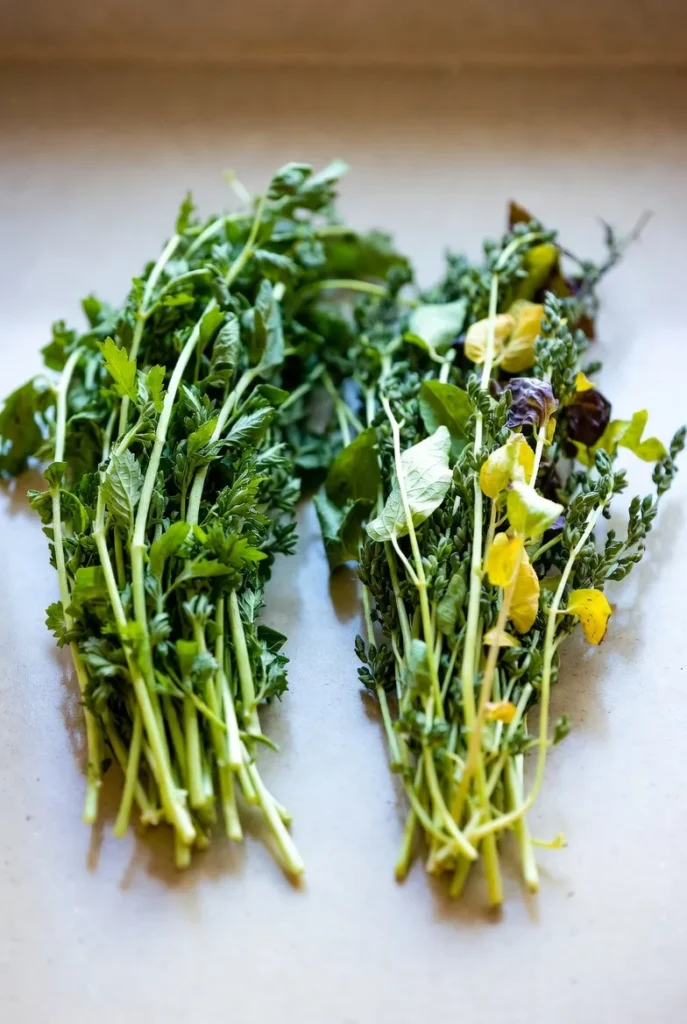
Fresh herbs should smell fragrant and look vibrant. When herbs begin to spoil, you may notice:
- yellow or darkened leaves
- a slimy texture
- sour or musty odor
- excessive wilting
Removing spoiled leaves early can sometimes help preserve the rest of the herb bunch.
Common Mistakes That Ruin Fresh Herbs
Many herbs spoil quickly because of simple storage mistakes.
Washing herbs before storing
Extra moisture encourages bacteria and mold growth.
Instead, wash herbs right before using them.
Storing basil in the refrigerator
Cold temperatures damage basil leaves and cause dark spots.
Crushing herbs in storage bags
Overcrowding breaks delicate plant cells and speeds up spoilage.
Ignoring damaged leaves
Rotting leaves can spread bacteria to healthy ones.
Remove damaged leaves before storage.
Excess moisture can also encourage mold growth, which sometimes appears as white or fuzzy patches on herbs or the soil surface.
How Chefs Store Fresh Herbs
Professional kitchens use several simple strategies to keep herbs fresh.
Common chef techniques include:
- trimming herb stems immediately
- storing soft herbs in water
- keeping hardy herbs wrapped in damp cloth
- controlling moisture and airflow
Many chefs also separate herbs by type to prevent cross moisture buildup.
These small practices can extend freshness significantly.
Quick Herb Storage Decision Guide
Use this simple guide when deciding how to store herbs.
Herb | Best Storage Method |
|---|---|
Basil | Room temperature in water |
Cilantro | Jar of water in fridge |
Parsley | Jar of water or damp towel |
Mint | Jar of water |
Rosemary | Damp towel in fridge |
Thyme | Wrapped in damp towel |
Sage | Refrigerated wrapped |
FAQs
1. How do you store herbs so they last longer?
The best approach depends on the herb type. Soft herbs like cilantro and parsley stay fresh longer when stored in water like flowers, while hardy herbs like rosemary and thyme last longer wrapped in damp paper towels in the refrigerator.
2. Should fresh herbs be refrigerated?
Most herbs should be refrigerated, especially parsley, cilantro, mint, and dill. Basil is an exception because cold temperatures damage its leaves.
3. Can you freeze fresh herbs?
Yes. Freezing herbs in ice cube trays with water or olive oil is a simple way to preserve them for cooking. Frozen herbs work best in cooked dishes rather than as fresh garnishes.
4. How long do fresh herbs last in the refrigerator?
Many herbs last 7–14 days when stored properly. Hardy herbs like rosemary or thyme can sometimes last up to three weeks.
5. Why do herbs get slimy in the fridge?
Slimy herbs usually result from excess moisture and poor airflow. Too much condensation inside containers encourages bacterial growth.
6. What herbs should not be refrigerated?
Basil is the most common herb that should not be refrigerated. It stores better at room temperature in a jar of water.
7. Is freezing or drying herbs better?
Freezing preserves more flavor, while drying allows herbs to last longer in storage. The best option depends on how you plan to use the herbs.
8. Should herbs be washed before storing?
It is usually better to wash herbs right before cooking rather than before storage. This prevents extra moisture from causing spoilage.
Conclusion
Fresh herbs don’t have to spoil quickly. By choosing the right storage method, whether it’s storing herbs in water, wrapping them in damp paper towels, freezing them, or drying them, you can extend their freshness significantly.
Small habits like trimming stems, controlling moisture, and avoiding overcrowding can make a big difference in how long herbs last.
By learning how to store fresh herbs properly, you can enjoy better flavor in your cooking while reducing food waste and getting the most value from every bunch you buy.